Coweta votes to turn this 800-acre forest into $17B data center campus
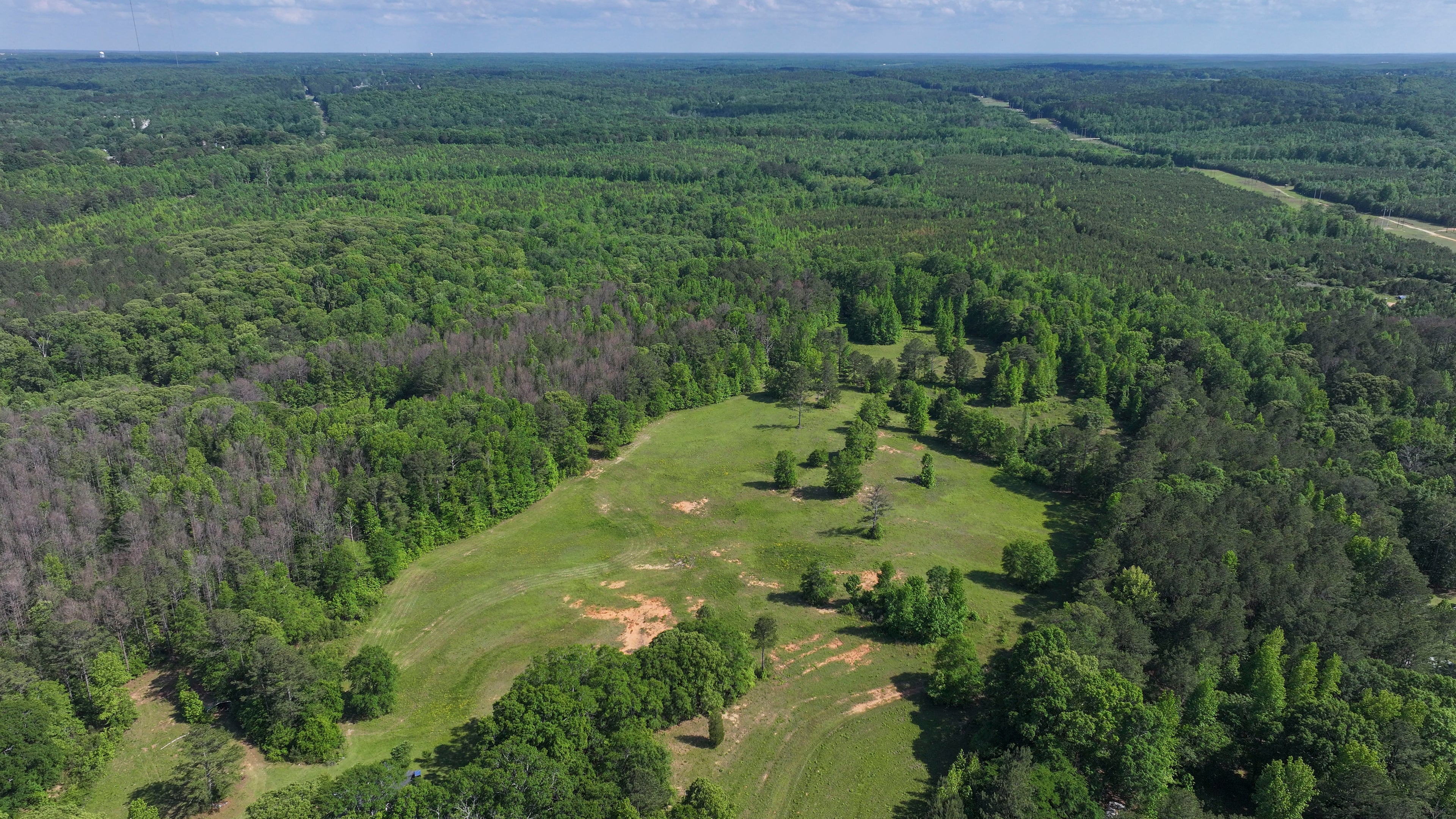
It took 15 months, a prolonged moratorium, a zoning code revamp and a final vote by the thinnest of margins, but one of Georgia’s largest data center projects will move forward.
The Coweta County Board of Commissioners on Tuesday agreed to rezone more than 800 acres for a $17 billion data center campus by Fortune 500 industrial giant Prologis. The 3-2 vote highlighted the controversy surrounding the proposal called “Project Sail,” which made waves across Georgia since it was first made public on New Year’s Eve in 2024.

Featuring nine buildings that require more electricity than the output of a nuclear reactor, Project Sail emerged as a poster child in the national data center debate. It pitted the world’s largest industrial real estate investment trust against a robust grassroots group opposed to placing a sprawling project in a forested area roughly 45 miles southwest of downtown Atlanta.
The controversy was not lost on the county leaders who voted to support the project.
“This is a no-brainer for the county,” said Commissioner Alphonso Smith, who made the motion to approve the rezoning request. “I will stake my political career on it.”
JC Witt, senior vice president of data center investments for Prologis, said the project will be transformative for the area, touting that it will generate unprecedented local tax revenue for Coweta while employing well-paid workers. He added that the project site along U.S. 27 near Newnan, while bucolic, is prime for industrial development because of its proximity to Georgia Power’s Plant Yates.
“The question isn’t if this site will be developed. It’s just how,” he told an overflowing commission meeting.

The crowd was divided among blue shirt-wearing supporters and opponents sporting red shirts, a common sight in local meetings when controversial projects are on the docket. Jackie Lassetter, who wore red, urged county leaders to avoid creating “an industrial island in a sea of nonindustrial land.”
“People don’t move to rural areas to elect to live next door to heavy industry,” she said.
Setting sail
Data centers have become the focus of local zoning fights across the country, including Georgia.
The Atlanta area has emerged as one of the country’s hottest markets for computer storage space since the artificial intelligence boom, setting a record in 2025 for data center construction. The Atlanta area remains the only major market with more space under construction than was currently operational, according to data from real estate services firm CBRE.
In last year’s second quarter, an estimated $98 billion of data center projects were either blocked or delayed across the country, according to the most recent report by Data Center Watch, a research effort backed by AI security company 10a Labs. Project Sail was one of its standout examples.
The Atlanta Journal-Constitution first reported on Project Sail after it was unveiled in a state infrastructure review filing on New Year’s Eve in 2024. At $17 billion and requiring about 900 megawatts of electricity, the proposal was eye-popping and among the largest pitched in the country at the time.
Initially, the only entity attached to the project was Atlas Development LLC, a relatively unknown firm founded in 2017 with an address in rural Whitesburg. The company’s website focuses on its land rezoning and entitlement expertise, critical steps required for large developments to move forward.
Prologis confirmed to the AJC in May it was under contract to operate Project Sail if it was approved. The San Francisco-based company owns about 1.3 billion square feet of industrial space, primarily warehouses, across 20 countries, but it’s been making a large push to expand into the fast-growing data center industry.
Also in May, Coweta adopted a moratorium that prevented rezonings and permits for data centers so county leaders could rewrite zoning codes. Project Sail was the primary project impacted by the moratorium, which lasted until December.
“Innovation drives economic prosperity and sustainability, and data centers do drive innovation,” said Commissioner Jeff Fisher, who joined Smith and Commissioner John Reidelbach in voting to approve Project Sail. “… There are more data centers coming.”
A room divided
Many of the project site’s neighbors formed a group called Citizens for Rural Coweta, which has grown into a political action committee. Its leaders say they’ve amassed nearly 8,000 signatures opposed to the project.
Steve Swope, one of the group’s leaders, said Project Sail could have had an easier journey if it selected a site that was already zoned for industrial use, likely facing less pushback.
“However, in their rapacious desire to earn profits to send back to San Francisco and minimize their costs, they’re willing to destroy 800 acres of rural conservation land,” Swope told commissioners Tuesday.

Most of the residents who spoke in support of the project work in construction, development or real estate, saying Project Sail’s economic benefits would ripple throughout the county.
“It’d be huge for construction … especially for companies inside Coweta County that have access to bid on this project,” said David Stamper, safety director at Danko Concrete.
The project’s nine buildings are expected to encompass 4.3 million square feet of computer storage space — nearly three times the floor space of Lenox Square Mall. That’s a lot of concrete, Stamper said, and thus a lot of stable work for construction workers.
Data centers take an army to build but typically only employ a few dozen workers per building despite their size. Proponents say the true economic value of data centers lies in the property taxes they generate, although economists and audits raise questions over whether those promises become reality.
Atlas initially projected Project Sail would generate more than $1 billion in annual local taxes for Coweta, but reporting by the AJC revealed that was an erroneous estimate. The latest projection by Prologis is about $100 million annually.
Regardless, project supporters like Chad Caldwell, CEO of Piedmont Paving Inc., said, “Even if it generates half of what they say it’s going to generate, that’s still a tremendous amount of taxes.”

Swope said Citizens for Rural Coweta are disappointed by the final vote, adding that the group’s attorney is evaluating next steps. The group has raised more than $25,000 through a fundraiser as part of its effort to stop the project.
The rezoning includes a condition for Prologis to provide a “Decommissioning and Site Restoration Plan” to the county in case Project Sail ever lies dormant for more than a year. Witt, the Prologis executive, said the company is open to the provision, but more clarity is needed on specifics.
“We look forward to continuing to engage with local leaders and the community as we move forward,” Prologis said in a statement after the vote.
About the Author

Zachary Hansen, a Georgia native, covers economic development and commercial real estate for the AJC. He's been with the newspaper since 2018 and enjoys diving into complex stories that affect people's lives.