Atlanta leads country in Wall Street-owned rental homes, new report says
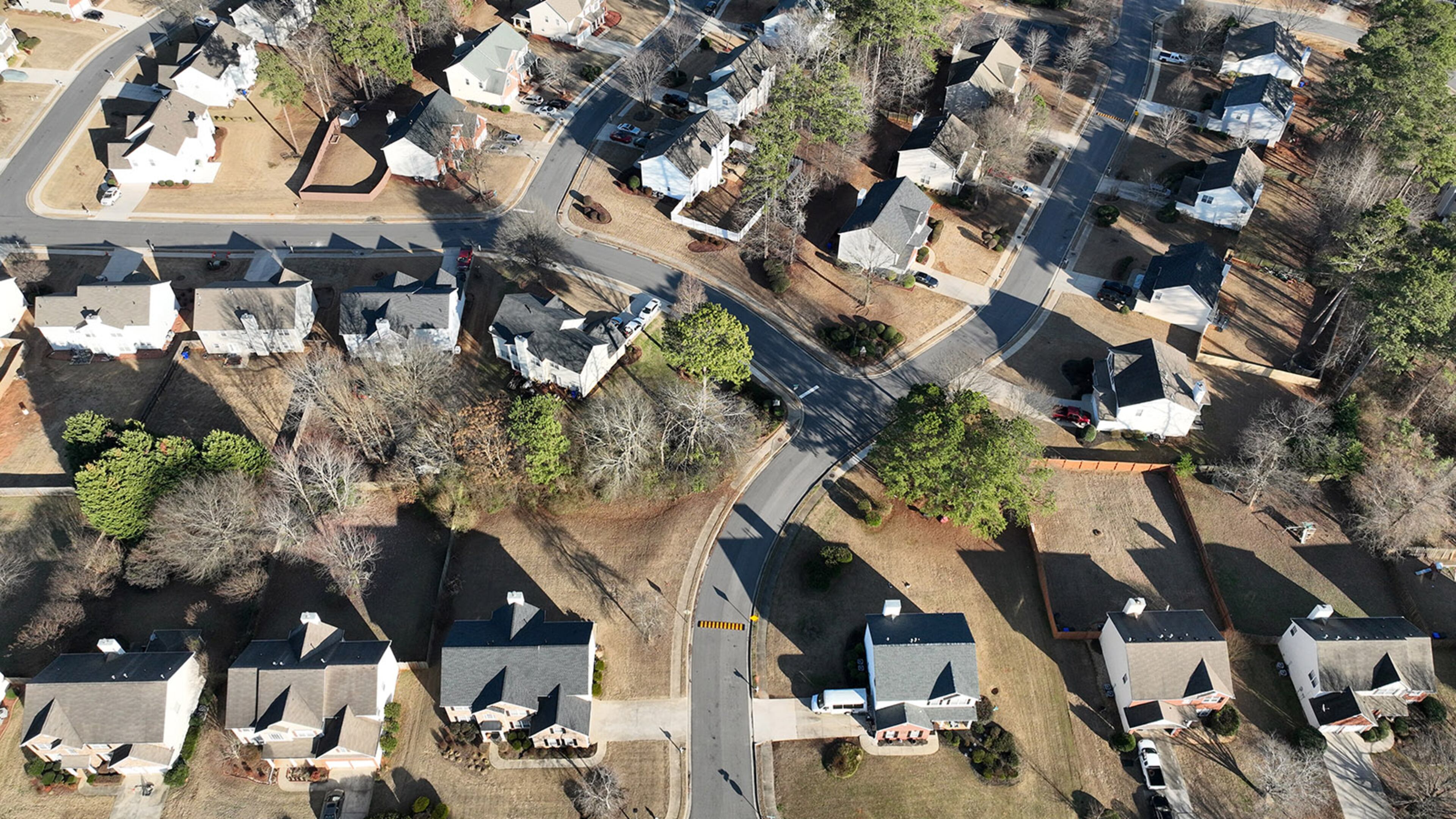
A new report examines why metro Atlanta came to lead the nation in Wall Street-owned single-family rental homes and how it has impacted housing across the region.
The Washington, D.C.-based American Economic Liberties Project released the paper called “The New Rent Seekers,” which says the situation has increased home prices and led to a decline in homeownership. The report claims this has cost Georgia families about $5 billion in lost home equity.
Institutional investors contend they help communities and expand housing supply, but critics say the firms can outcompete families in the market for homes. Some investors have also faced complaints over maintenance issues and treatment of tenants.
Large institutional investors own about 72,000 single-family rental homes in Atlanta, more than double the next highest market, Phoenix, says the AELP report. It says just three corporations control almost 20,000 rental homes across core metro counties.
The report also delves into a newer trend called build-to-rent, in which rental homes are built to be investor owned, with Atlanta now ranking the fourth-largest market for this property type in the country.
“Wall Street has been using Atlanta as a testing ground,” Laurel Kilgour, research manager for AELP and author of the report, said. “The rest of the nation should be looking to Atlanta for trends for the future and should learn from what has actually happened on the ground.”
The report comes as federal lawmakers consider a sweeping housing bill called the 21st Century ROAD to Housing Act. It followed an executive order President Donald Trump signed earlier this year to limit institutional investors from buying single-family homes.
The U.S. Senate passed the legislation, but the House is reviewing the amended version. It includes a provision backed by U.S. Sen. Raphael Warnock, D-Ga., that would ban investors that own more than 350 homes from purchasing more or face hefty fines.
“This report makes clear what we know to be true — private equity has preyed on Atlanta for nearly two decades and made it more difficult for hard working Georgians to purchase their piece of the American dream,” Warnock said in a news release.
The AELP report cites The Atlanta Journal-Constitution’s 2023 investigative series “American Dream for Rent,” which found that families who rent from corporate investors can experience poor maintenance, surprise fees and frequent eviction filings. The series also revealed that investors were more likely to buy homes in majority Black communities.
The AELP report says these investors own higher market share in certain areas of metro Atlanta. For example, in Paulding County, large corporations own 78% of single-family rentals, or about 11% of all single-family homes, the report says.

A spokesperson for the National Rental Home Council, a lobbying group for single-family landlords, said that large housing investors “remain a small share of the overall housing market,” or about 4% of the single-family homes in the Atlanta region.
“Over 90% of homes are owned by homeowners or mom-and-pop investors,” the spokesperson said.
This trend came about following the Great Recession, when Atlanta was at the center of the housing crisis, says the AELP report. It explores policies that set the stage for institutional investors to swoop in and buy large swaths of foreclosed properties and flip them for rent.
“Atlanta became a testing ground for this new asset class because the region had been hit hard by the crisis but had good prospects for home price recovery in a landlord-friendly regulatory environment,” the report says.
While there were few institutional investor-owned single-family rentals in 2012, the number swelled to 415,000 across the nation by 2022, the report says.
Now, the new frontier is build-to-rent communities. This inventory has soared more than 1,300% in Atlanta since 2019, says the report, with about 8,100 units. More are planned, with build-to-rent projects comprising more than 11% of residential construction in Atlanta last year, according to the report.
“There are some very clear signals that the industry wants to scale up in Atlanta,” Kilgour said.
The 21st Century ROAD to Housing Act would restrict build-to-rent housing, requiring owners to sell the properties within seven years. This proposal is already causing build-to-rent projects to pause and lenders to retreat, The Wall Street Journal reported this week.
The National Rental Home Council spokesperson said build-to-rent communities are part of the solution to address the housing shortage.
“Let’s be clear: these homes are constructed and then rented out on Day 1, no different than a new apartment building is rented out on Day 1,” the spokesperson said. “Since Georgia is facing an estimated deficit of 365,000 homes, we know that these new rental homes are needed by families who live in the state. Housing experts have made it clear that build-to-rent homes are adding to supply and aren’t the cause of increased costs.”
About the Author