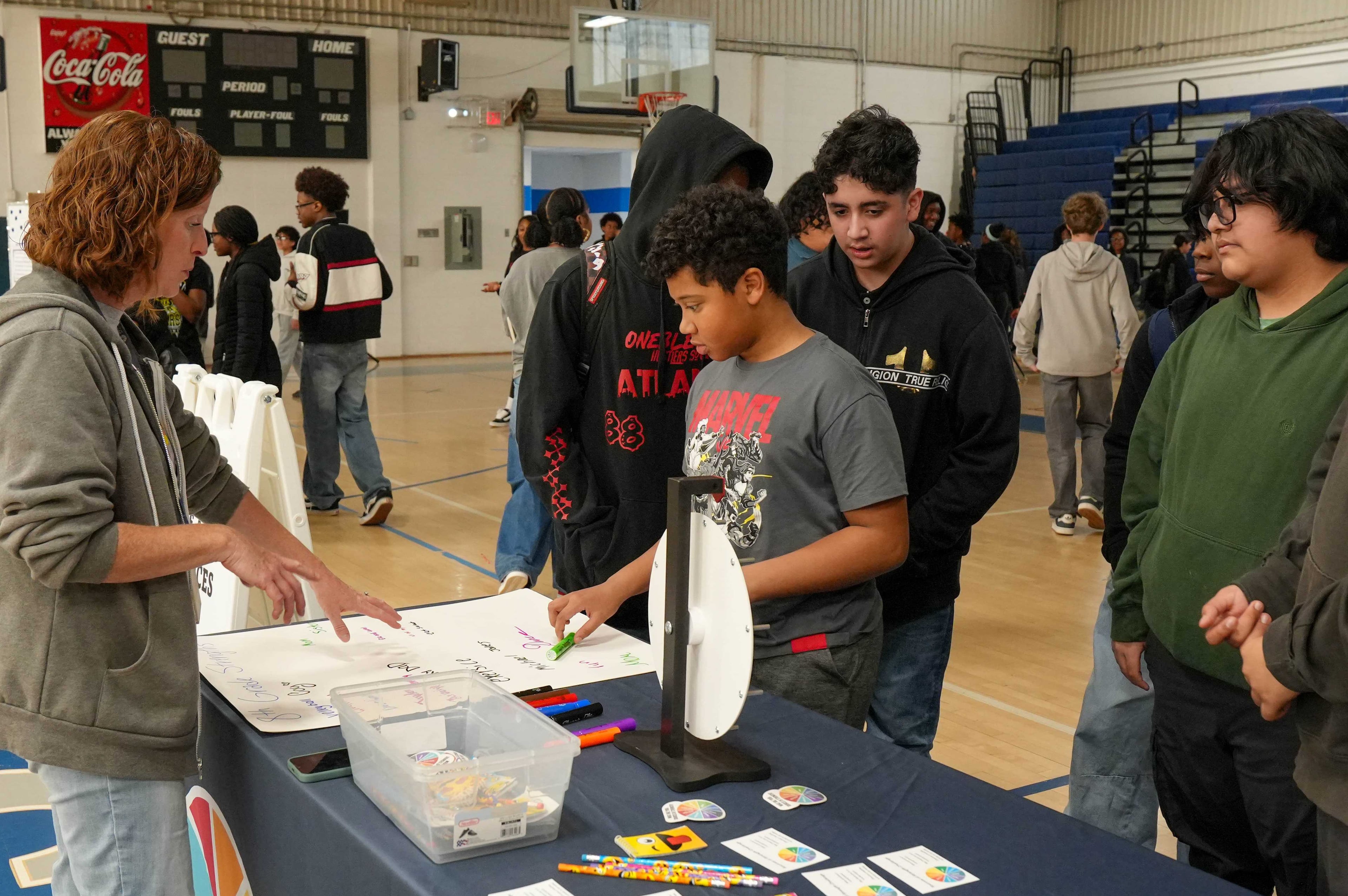
The state of mental health and schools: It’s complicated.

About 40% of U.S. students had persistent feelings of sadness or hopelessness, and 9% attempted suicide, according to a report by the Atlanta-based Centers for Disease Control and Prevention. The number of adolescents reporting poor mental health is increasing, according to the CDC.
As part of Mental Health Awareness Month, The Atlanta Journal-Constitution is running a series of guest essays this week about mental health in schools.
Here is the third of these essays:
I often hear parents and educators flooded with emotion when talking about how children are coping these days, as so much in the news is telling us “the kids are in trouble.”
It’s possible to get so bogged down in the painstaking microscopic detail of issues with “studies showing” and “new research reveals” that one can become overwhelmed with information. We can analyze mental health and education to the point that we miss the forest for the trees.
So let’s take a step back and widen our glance. How are the kids really doing?

I’ll give a snapshot of the state of mental health and schools using the most recent statistics and data available. Keep in mind, there are some gaps in the quantity and frequency of national data because of the federal budget cuts of agencies and staffing (For example, some data collection happening every two or three years instead of annually).
All right, let’s get to it and start with some good news first: The rates of adolescent suicide have decreased and the numbers of teens experiencing a major depressive episode have dropped 6%.
According to the most recent results from the National Survey on Drug Use and Health, the percentage of 12- to 17-year-olds who experience serious suicidal thoughts dropped from 13% in 2021 to 10% in 2024. Likewise, major depressive episodes have dropped from 21% to 15%. We can’t draw a direct line of causation, but a contributing factor could be the rollout of the 988 Suicide and Crisis Hotline, as a disproportionate number of adolescents are using it and the states that have put the service in place have seen the most reduction. Also, suicide prevention and depression awareness programs have been increasingly implemented in schools, and more kids and adults are conversing about the once culturally taboo topics.
Although suicide and depression still affect far too many children and youths, this recent data is encouraging that prevention and education programs can move the needle in helping kids.
Now for some bad news.
According to the Journal of American Medical Association, rates of marijuana use in adolescents have steadily increased in the past decade and have now shown to contribute to psychiatric disorders later in life. Cannabis is the most commonly used federally illicit substance among U.S. adolescents, and even in the short term is associated with adverse educational, neurodevelopmental, mental health, substance use and physical health outcomes.
School systems nationwide have been on the front lines of this trend as legalization for recreational and medicinal use has increased cannabis availability to adolescents. Educators have had challenges prohibiting use on campuses, because it commonly is in disguisable forms such as vapes or edibles. If you have been in a local high school lately, you might have smelled the impact of this issue wafting through the halls.
Another low point is the continued concern about the general well-being of students across multiple age ranges.
According to the latest data in the Child and Adolescent Health Measurement Initiative, about 1-in-3 kids ages 12-17 have a mental, emotional, developmental or behavioral problem. In the younger cohort, last year’s State of Teaching survey of nationwide teachers revealed kindergarteners are having ‘more or much more difficulty’ than five years ago sharing, listening, taking turns, following directions and cooperating with others. These statistics are reflected in an increase in individual education plans.
There is a sharp upward trend in percentages of kids receiving IEP services from the Individuals with Disabilities in Education Act across the past five years. More public school students than ever are receiving these specialized services, an estimated 15% of total student enrollment. However, this benefit can also disrupt the larger classroom setting, requiring pulling kids out of classrooms, additional meetings, altering curriculum and treatment plans that introduce layers of complexity in the school setting.
On a positive note, Georgia teacher morale ranks among the highest in the nation despite these increasing complexities of the classroom environment. Teacher retention rates are leveling off since the sharp drop after the pandemic. School systems and parents across the country are fighting back (and winning) against the barrage of technology invading the attention economy of children. Adults are awakening to the cost of blind faith in tech companies and protecting children’s well-being through court cases and settlements.
To wrap up and answer the question from the onset, how are the kids doing? It’s a mixed bag.
We’re serving kids well in many areas of parenting and education, but some systems need to be overhauled, as evidenced by the latest data on well-being. Early prevention, public health messaging and policy development are crucial. Working together as a community is the best — and only — path toward that end. The terrain will always be changing, but with humility to admit where we need to course correct and keeping an enduring optimism in our youth we can rise to the challenge.
Beth Collums is an Atlanta-based writer with a professional background in child and family therapy. She often writes about mental health, relationships and education.
If you have any thoughts about this item, or if you’re interested in writing an op-ed for the AJC’s education page, drop us a note at education@ajc.com, or you can go the AJC’s Get Schooled Facebook page and comment there about what you think can help students.