UGA boycott of Texas Tech about fairness, fear and finances
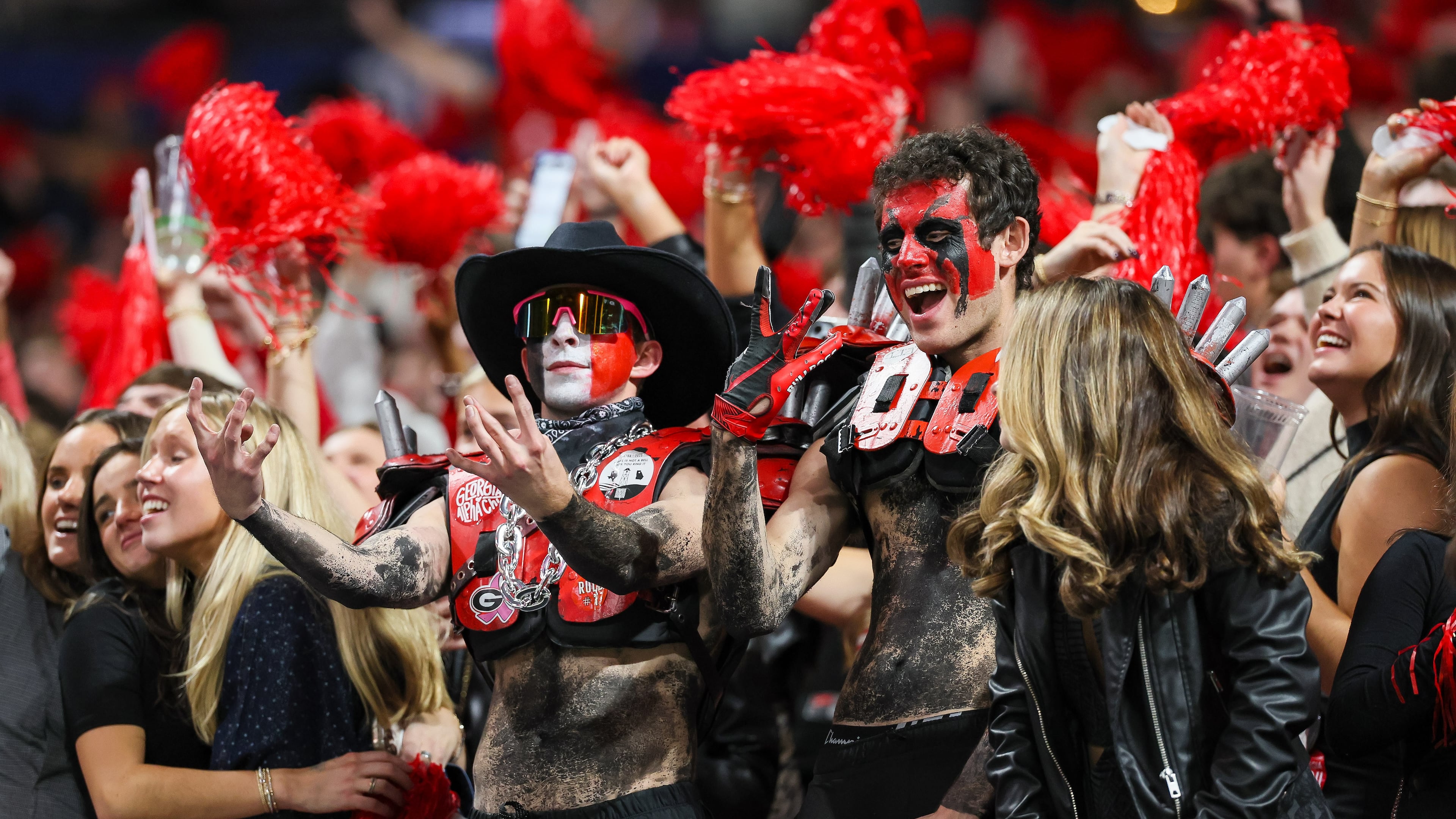
In its refusal to play Texas Tech University, the University of Georgia says it is protecting the integrity and fairness of college sports.
But it also illustrates how the proliferation of sports gambling has created an enormous headache, and even fear, for university leaders nationwide.
That illustration stems from Texas Tech quarterback Brendan Sorsby. Originally deemed ineligible by the NCAA because of his admitted sports gambling — with wagers totaling nearly $100,000, including bets on his own team while playing for Indiana University — a Texas judge ruled Monday that Sorsby can play this season.
That ruling has outraged many in the multibillon-dollar world of collegiate athletics, including in Georgia, one of the few remaining states where sports betting remains outlawed. It’s flagship university has been among the loudest critics; UGA intends to boycott scheduling Texas Tech in any sport, a move that has received praise from corners of the collegiate landscape, with some hoping more schools and conferences follow suit.
Critics of the judge’s ruling worry it effectively gives players a green light to make bets that could affect a game’s outcome, said University of Tennessee professor Robert Kelchen, who researches higher education. Not only could that hurt a team’s chance of winning, Kelchen said, but it could endanger the significant revenue that universities derive from their athletic programs.
“The greatest fear is that players will bet on their team to lose and try to make that happen,” he said. “And that means that all the effort that universities put in to try and gain a winning team can go away.”
It’s the type of thing that could keep a university president or athletic director up at night, and stopping it is no easy task.
An uptick in gambling
A 2023 NCAA survey shows gambling is widespread among college-aged individuals. In the study of 18- to 22-year-olds, 58% said they’d previously participated in sports betting.
The rate was even higher on college campuses. According to the findings, “67% of students living on campus are bettors and tend to bet at a higher frequency.” The study did not include specific data on student-athletes. But a February NCAA survey found nearly half of men’s basketball players have experienced abuse by fans for betting losses.
With a deluge of betting advertisements that often target young people, the temptation to gamble can be severe. And experts say student-athletes can be at particular risk for gambling addiction.
“It seems like a lot of the thought patterns and areas of focus that we really stress in athletes, in terms of being competitive and taking risks, can actually be a problem when it’s combined with gambling,” said Juleen Buser, a counselor who works with clients in Georgia.
“We’re finding more and more young athletes are betting. They’re betting on themselves, they’re getting in trouble with these bookies, asking them to throw games and all sorts of things,” said therapist Curtis Dorsey, who has seen an uptick in young men across Georgia struggling with gambling addictions. “Everybody’s going to come after (college athletes) with sports cars and different items that are attractive to them, and they may do some unethical things.”
The NCAA, which prohibits sports betting by players and athletic staff, says it has provided education to more than 300,000 student-athletes about the dangers of sports betting and that it “runs the largest surveillance program in the country.”
Georgia Tech’s effort to curb betting
Individual schools can also take preventive measures. Georgia Tech told The Atlanta Journal-Constitution it provides education on NCAA rules and offers resources on gambling at every team’s preseason compliance meeting, as well as during major sporting events throughout the year like the Super Bowl or NCAA March Madness.
“Georgia Tech athletics continues to add education and programming as sports gambling becomes more prevalent in the United States,” it said in a statement.
In 2023, it began using IC360, a technology that helps monitor sports betting activity and discourage match-fixing. The Atlanta school said it now includes parents of student-athletes in its education efforts, and in February, it brought in Stevin “Hedake” Smith to speak with athletes; Smith was involved in a point-shaving scandal at Arizona State University in 1994.
UGA did not respond to questions about its efforts to prevent athletes from sports betting.
Education is the key, according to Jeanne Seaver, founder of Moms Against Gambling. She’d like to see schools present their athletes with data about the dangers of sports betting, as well as lectures from recovering addicts who have experienced its harms firsthand.
“I would love for it to be a class mandated in the curriculum,” Seaver said.
Karen Weaver, a University of Pennsylvania professor who researches college athletics, said in a world where sports betting advertisements are so prevalent, she doesn’t know how effectively schools can ward off the temptations.
“We don’t really have a way to counterbalance the tremendous publicity and enticement that gambling companies have tapped into,” Weaver said. “I don’t think we really have a clue how many athletes are gambling on these particular activities.”
Her concerns extend well beyond the Power Four conferences, which feature the most prominent teams in the country. Smaller programs are not immune from gambling scandals, as exhibited earlier this year when a star basketball player at Kennesaw State University was charged in a point-shaving scheme.
The bottom line
Sports can help bring in significant revenue for a school, which is why universities are willing to invest in them. Kelchen noted big athletic programs sometimes make up 10% of an institution’s budget.
That’s the case at UGA. Its athletic department has budgeted $239 million for fiscal year 2027, representing 11% of UGA’s entire $2.07 billion budget.
A gambling scandal, and a world where fans question the legitimacy of games, puts the multibillion-dollar world of college sports at risk.
Even so, UGA’s reaction to the Sorsby decision, according to Weaver, is about much more than just the Bulldogs’ bottom line. University leaders and athletic department staff nationwide “fundamentally believe in the purity of college sports.”
“That’s the core belief that so many of us in higher education have. We aspire to be and do something better, and that’s what our athletics teams represent,” she said. “Betting is a way of just shifting that mindset completely, like it’s somehow no longer something worth cheering for, something worth following, and it doesn’t reflect what universities see in themselves.”