Profit for the biggest US oil companies declined in the first quarter, but only on paper
Profit for the two largest oil companies in the U.S. tumbled during the first quarter, a three-month period in which the price of crude and gasoline rocketed higher. It's a setback on paper only, however, the result of financial hedges that backfired after the U.S. and Israel launched attacks on Iran in late February.
Exxon Mobil and Chevron reported quarterly results on Friday, with adjusted profits for both companies topping Wall Street expectations. The shares of both companies, up sharply this week, ticked higher before the opening bell.
With energy prices depressed at the start of the year, Exxon Mobil and Chevron had arranged hedges to offset volatility, a standard practice in the industry.
In the aftermath of an attack by the U.S. and Israel on Iran, however, the physical delivery of oil became impossible with the Strait of Hormuz essentially closed. Exxon and Chevron cannot book gains on those hedges until the crude is physically delivered.
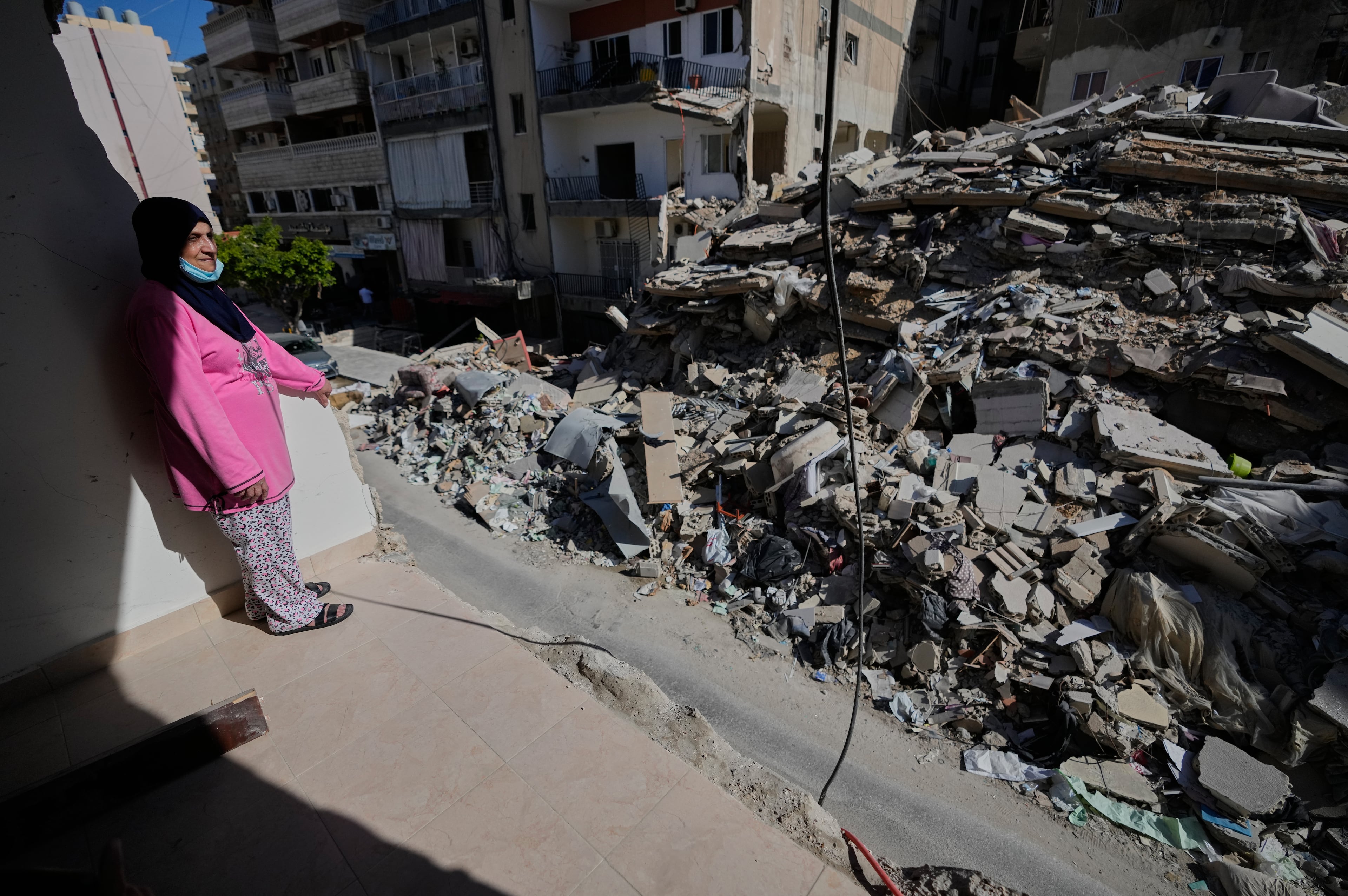
The near closure of the Strait of Hormuz off the coast of Iran is a flashpoint in the war and the source of much of the economic pain being felt globally. About 20% of the world’s oil passes through the strait on a typical day, but the passage has been choked off since the war began in late February.
Exxon earned $4.18 billion, or $1 per share, for the period ended March 31. A year earlier it earned $7.7 billion, or $1.76 per share. The company lost almost $4 billion in the quarter on what it called “unfavorable estimated timing effects” of its hedges.
Removing such one-time impacts, Exxon earned $1.16 per share, easily topping the $1.07 per share analyst surveyed by Zacks Investment Research predicted. Exxon does not adjust its reported results based on one-time events such as asset sales.
Revenue totaled $85.14 billion, breezing past Wall Street's expectation of $81.49 billion.
First-quarter net production was 4.6 million oil-equivalent barrels per day. That’s down from 5 million oil-equivalent barrels per day in the previous quarter.
“If you look at the unprecedented disruption in the world’s supply of oil and natural gas, the market hasn’t seen the full impact of that yet," CEO Darren Woods said during a conference call. "So there’s more to come if the strait remains closed, why haven’t we seen those impacts manifest themselves fully in the market yet? Well, I think we all know there was a lot of water and a lot of oil in transit on the water, a lot of inventory on the water.”
Chevron reported a first-quarter profit of $2.21 billion, or $1.11 per share. It earned $3.5 billion, or $2 per share, a year earlier.
The company said that its quarter included a $360 million net loss related to a legal reserve and that foreign currency effects lowered earnings by $223 million.
Chevron's adjusted profit was $1.41 per share, easily beating the 92 cents per share Wall Street was calling for. Like Exxon, Chevron does not adjust its reported results based on one-time events such as asset sales.
The company's revenue totaled $48.61 billion, also better than expected.
Exxon and Chevron are among the big drillers reporting earnings this week. On Tuesday BP said that its first-quarter profit more than doubled.
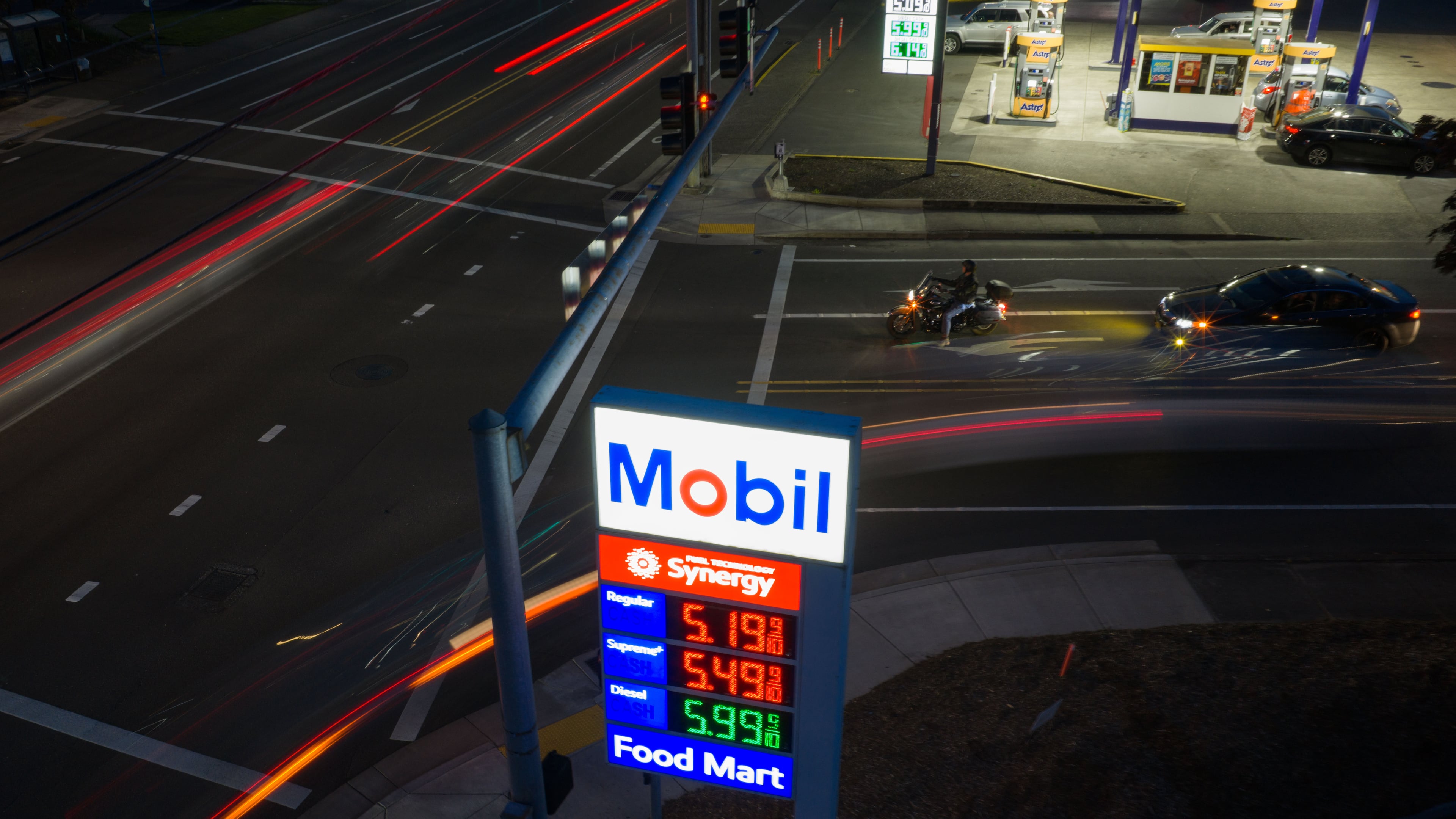
The oil companies' results come at a time when gasoline prices in the U.S. hit new multiyear highs, a point of increasing agitation for travelers, households and also businesses that are particularly sensitive to higher energy prices.
The average price of gasoline in the U.S. hit $4.39 on Friday, according to motor club AAA. up more than 8% this week.
Inflation in the U.S. rose sharply last month during largest monthly jump in gas prices in six decades, according to data from the U.S. Department of Labor. The surge in gas prices has squeezed the budgets of lower- and middle-income families, making it more difficult to pay for necessities.
But it’s disrupting businesses as well, particularly those sensitive to higher fuel costs. Airlines worldwide have begun canceling flights as the war in the Middle East strains jet fuel supplies and pushes up ticket prices.
Oil prices eased on Friday, helping to steady the relatively few stock markets open worldwide on the May Day holiday.