UK health secretary resigns, setting up a potential Labour leadership challenge to Keir Starmer
LONDON (AP) — Efforts to unseat British Prime Minister Keir Starmer from within his own party broke into open rebellion Thursday, with one potential rival resigning from the Cabinet and two others positioning themselves for a future leadership challenge.
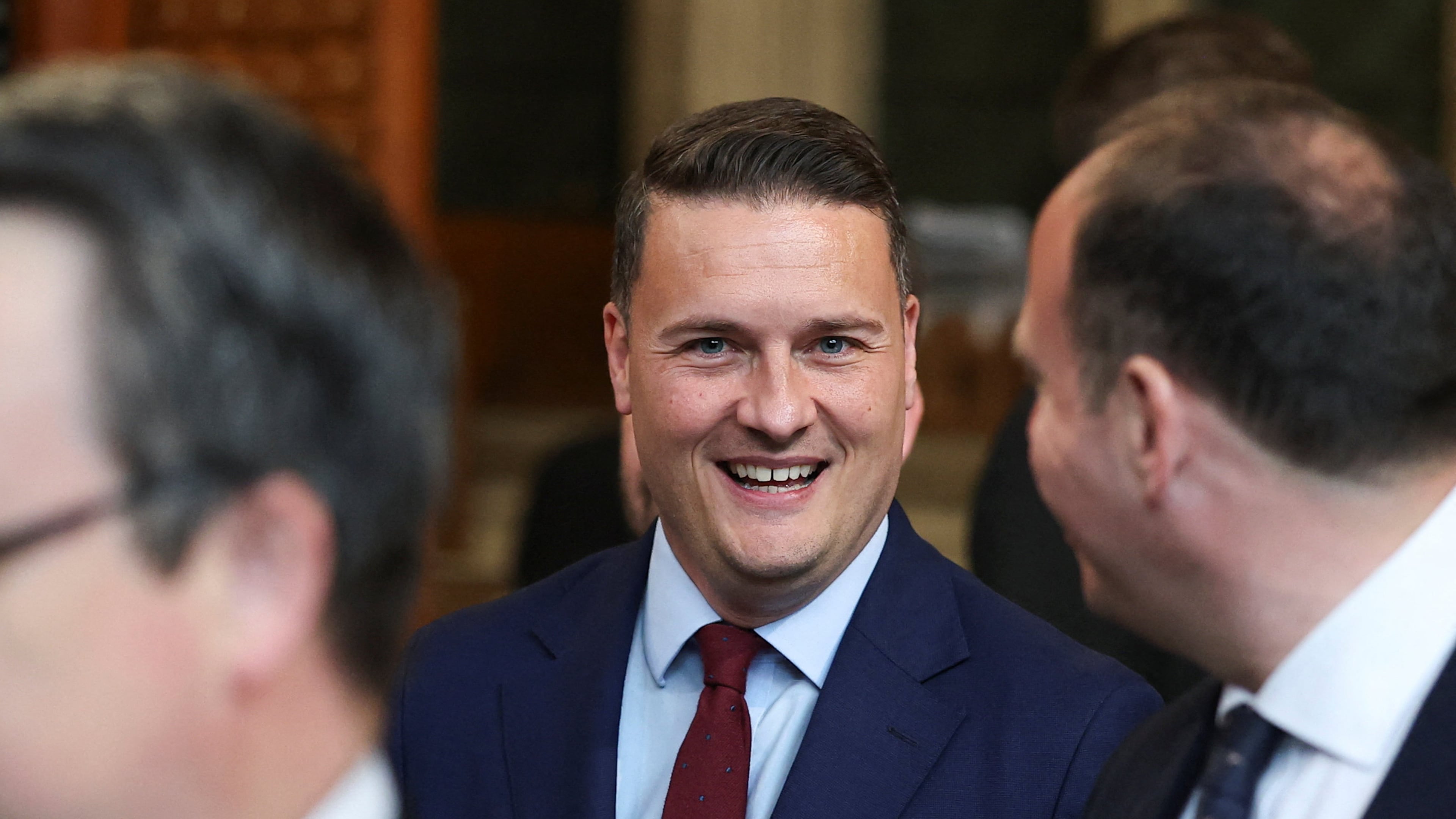
Health Secretary Wes Streeting became the first senior minister to quit Thursday in what was seen as a precursor to challenging Starmer's leadership. He said he had lost confidence in Starmer, who should not serve out the rest of his term.
“You have shown courage and statesmanship on the world stage — not least in keeping Britain out of the war in Iran,” Streeting wrote in an excoriating resignation letter. “But where we need vision, we have a vacuum. Where we need direction, we have drift.”
But Streeting stopped short of saying he was the best candidate to lead the party at the next election due by 2029, suggesting Starmer should step aside to allow a “broad” field of candidates to debate the future of the party.
Starmer is under growing pressure to step down after disastrous results for his Labour Party last week in local and regional elections. The election drubbing cemented doubts among many party members about Starmer’s judgment, vision and leadership ability — a brutal indictment on a leader who returned Labour to power in July 2024 after 14 years in opposition.
Starmer responded in a generous letter to Streeting, saying he was “truly sorry” to see him leave the government and praised his stewardship of the state-run National Health Service.
Making no reference to Streeting's criticisms, Starmer laid out his hope the two “can work together to show that Labour in power can address the problems our opponents exploit, can install hope where they want despair, and can bring people together where they want division.”
Starmer moved quickly to replace Streeting, appointing James Murray, formerly a Treasury minister, to the health portfolio.
If Starmer doesn't step down, any challenger would need support from a fifth of Labour lawmakers, or 81, to trigger a leadership contest.
For days, Streeting had been expected to launch a bid Thursday, but the wording of his statement stoked speculation he doesn't have enough votes yet, or that he is giving Starmer a chance to announce his resignation on his own terms.
Another likely challenger, former Deputy Prime Minister Angela Rayner, said Thursday that she had reached an agreement with authorities to clear up questions about her taxes that forced her to leave the Cabinet last September. Rayner told the Guardian newspaper that Starmer should “reflect on” his position, adding that she was ready to “play my part” in any leadership election if Streeting triggered a contest.
A third rival, Greater Manchester Mayor Andy Burnham, is ineligible for the leadership because he doesn't have a seat in Parliament, but on Thursday afternoon a Labour lawmaker said he would step aside to make room and Burnham said he would seek permission from party to enter a special election. He could then mount a leadership challenge if elected.
“I grew up in this area and have lived here for 25 years,” Burnham said on X. “I care deeply about it and its people. I know they have been let down by national politics.”
Race to unseat Starmer heats up
Pressure for Starmer to step aside has intensified since Labour suffered heavy losses in local and regional elections last week, underscoring voter frustration with a government that has failed to deliver on pledges to boost economic growth and improve living standards for working people.
A stagnant economy and stubbornly high inflation have made it difficult for Starmer’s government to deliver on the promises it made when winning a landslide election victory less than two years ago.
Starmer has vowed to remain in office, warning lawmakers that any leadership contest would destabilize the government when it should be focused on issues like the cost of living crisis and war in the Middle East.
The leadership wrangles overshadowed some positive news for the government.
Official figures showed the British economy grew 0.6% in the first three months of the year — more than had been anticipated and larger than the previous quarter, despite the negative impact from the Iran war. More growth means more tax revenues to fund Labour’s priorities and potentially lower borrowing.
Treasury chief Rachel Reeves said the figures showed her policies were working and the party shouldn't put hard-won economic stability at risk “by plunging the country in chaos at a time when there is conflict in the world.”
Streeting himself hailed figures showing that waiting lines for NHS appointments — one of his signature priorities — fell for the fifth straight month, an achievement he is likely to point to if he runs for leader.
Streeting comes from a faction of the left-leaning Labour Party that sees itself as the modernizing wing, as does Starmer. Rayner is a favorite of members who think the party has strayed too far from its working-class roots and those who want the party to do more to boost the minimum wage and raise taxes on the rich.
Efforts to depose a Labour leader are relatively rare
Unlike the Conservative Party, Labour has never ousted a prime minister in midterm.
“They don’t do ruthless on their leader,’’ said Jonathan Tonge, a professor of politics at the University of Liverpool. “They don’t tend to depose their leader. The Conservatives, they readily do ruthless.’’
Even if Starmer survives this current bout of jitters, he will likely face another challenge in a few months given the level of fragmentation in British politics, he added.
“He’s got a huge parliamentary majority, he’s got more than 400 MPs, and yet his prime ministership may be on the brink of disintegration,” Tonge said.


