MLK to Kirk to Mueller: Americans have a history of speaking ill of the dead

The man was outspoken in his feelings about race and politics. Many saw him as either a prophet or a hate-monger. His followers adored him; his enemies loathed him. His assassination stunned the nation.
In the days afterward, emotions ran high. The New York Times minced no words: he was “an extraordinary and twisted man” who “turn(ed) many true gifts to evil purpose,” his life “strangely and pitifully wasted.”
Time magazine was even more blunt: His violent death surprised no one because he was “an unabashed demagogue” whose “creed was violence.”
This was 1965, long before social media, and the death was that of Malcolm X. In today’s hyper-wired partisan world, these publications might have been boycotted, the authors fired, their careers destroyed, but in 1965 life went on without the altar of social media retribution.
‘Good riddance’ posts yield consequences

Recently, President Donald Trump posted on Truth Social that he was “glad” that former FBI Director Robert Mueller was dead, while pastor Brooks Potteiger, who has counted Secretary of Defense Pete Hegseth as one of his parishioners, publicly called for Texas Democratic Senate nominee James Talarico’s death.
Those comments created a furor in light of the response of the president and his supporters to those who expressed similar beliefs about Charlie Kirk following his assassination on Sept. 10.
Those opinions — ranging from grief to “good riddance” — outraged some, delighted others and launched a national conversation (a polite term for the firestorm that followed) about what was considered free speech.
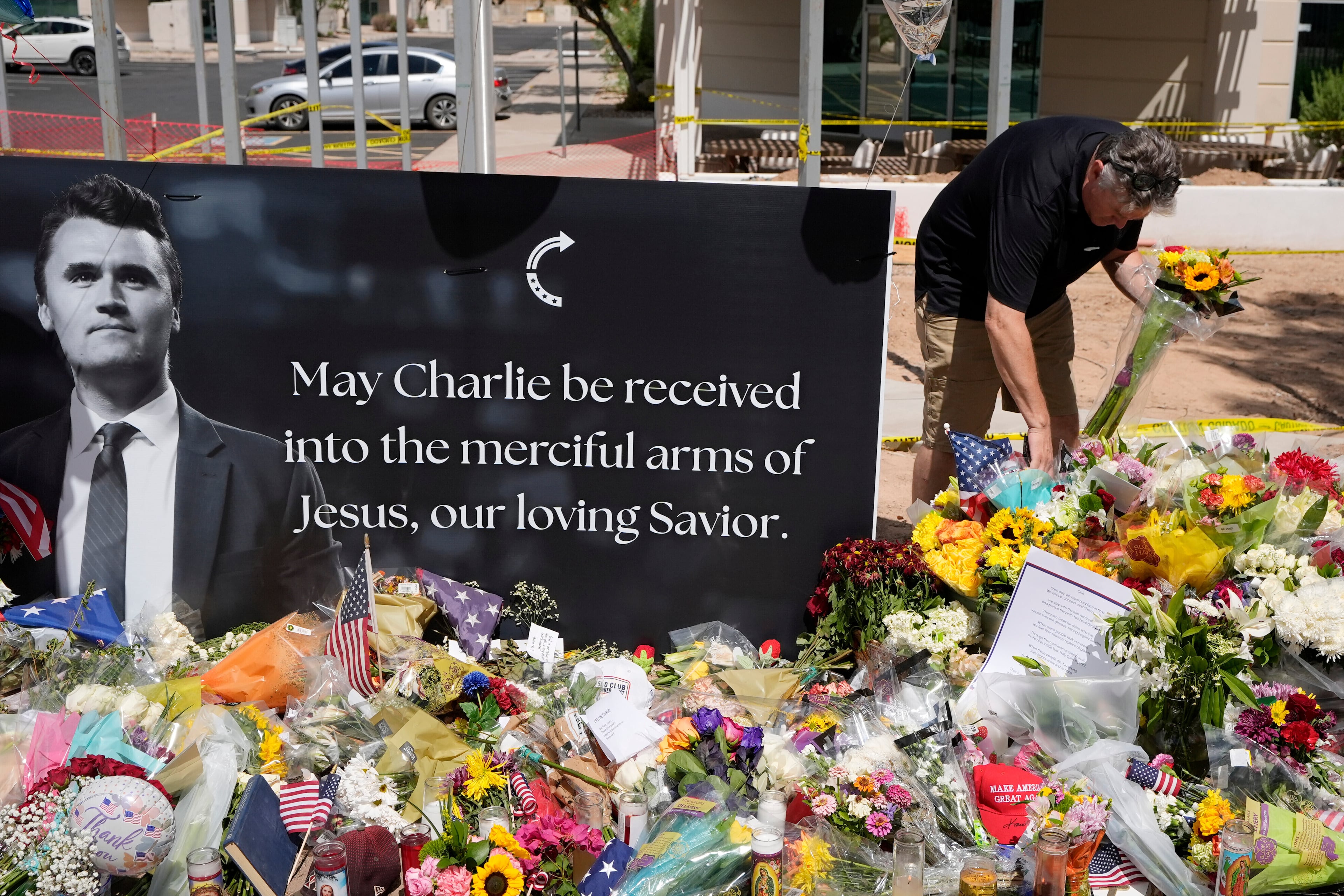
People lost their jobs over their posts, some not for their opinions but for repeating Kirk’s own words, suggesting that he deserved his fate, echoing Time magazine about Malcolm X 60 years before.
Following all these recent events, commentators denounced what seemed like new lows in human behavior. People believing that someone’s words justified their murder or expressing happiness at or wishing for the death of a fellow human being was, they feared, a red line not previously crossed.
In truth, the only new thing was the medium that broadcast these beliefs — smartphones, social media and podcasts. To those who study political deaths in history, the public reaction was all too familiar.
Amid the praise, there are the jeers
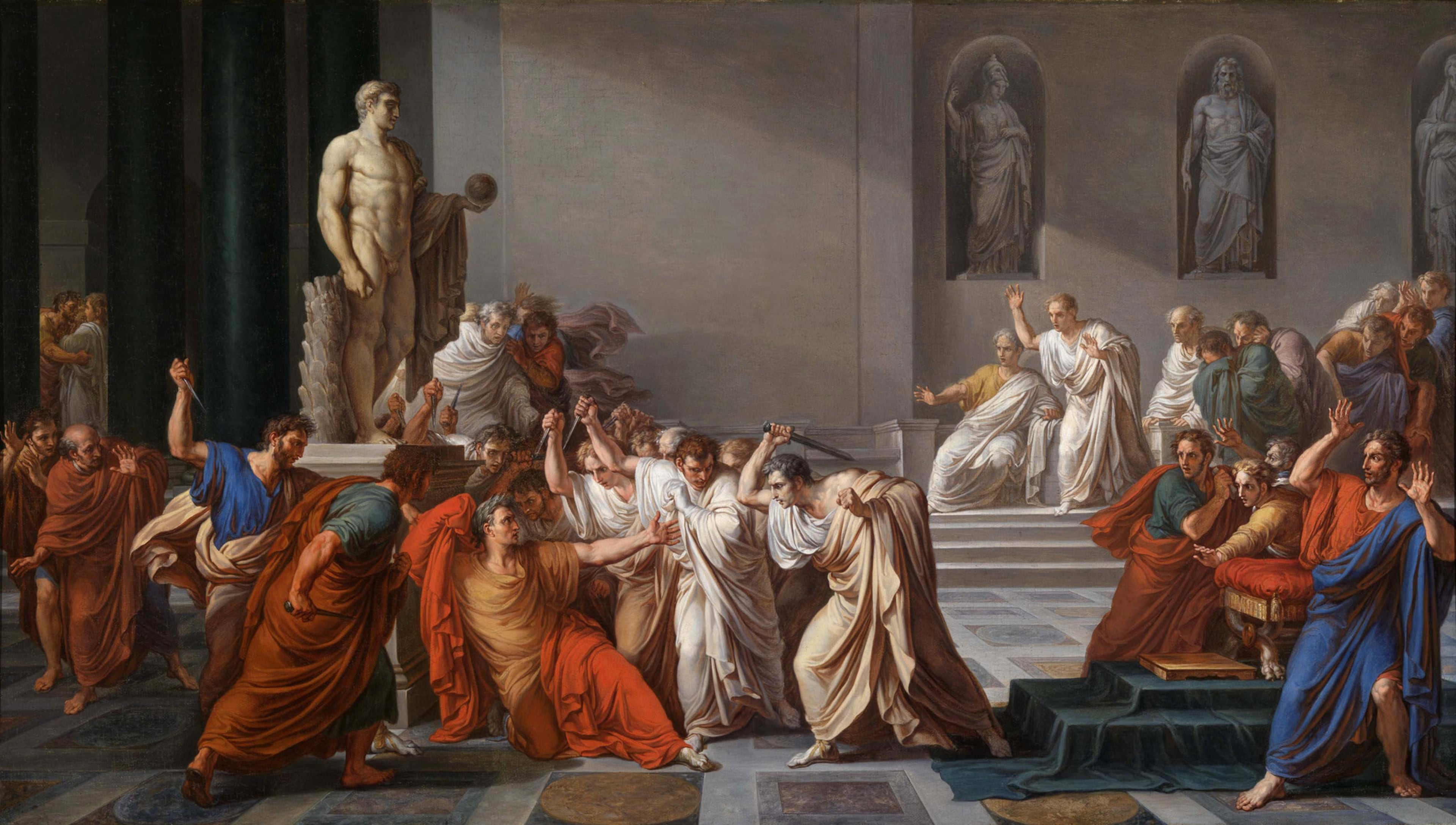
Since Julius Caesar’s assassination in 44 B.C., grief has always mingled with glee in the public mind and mouth. Throughout history, some mourned while others celebrated openly the demise of public figures — deemed by some as heroes and by others as being so vile that their death was almost a public service.
Public grief is most often remembered by history. But the opposite reaction has always been there, though never amplified in the same way until our own era of ultra-partisan internet wars.
Throughout the 20th century, following the most prominent political assassinations in the United States, public reaction always ranged from outpourings of grief to raucous applause. When outspoken anti-New Deal Sen. Huey Long of Louisiana was murdered in 1935, then-President Franklin D. Roosevelt, according to historian William Leuchtenburg, declared Long’s death (in private) to be a providential act, a political thorn in FDR’s side now suddenly and thankfully silent.
In collective public memory, President John F. Kennedy’s assassination united the nation in an outpouring of national grief. Less remembered now is that many people gladly received the news of his murder. Author William Manchester recounted a myriad of these incidents in his bestseller “Death of a President,” from elementary school classrooms bursting into applause to people in restaurants cheering wildly when they heard about his death.
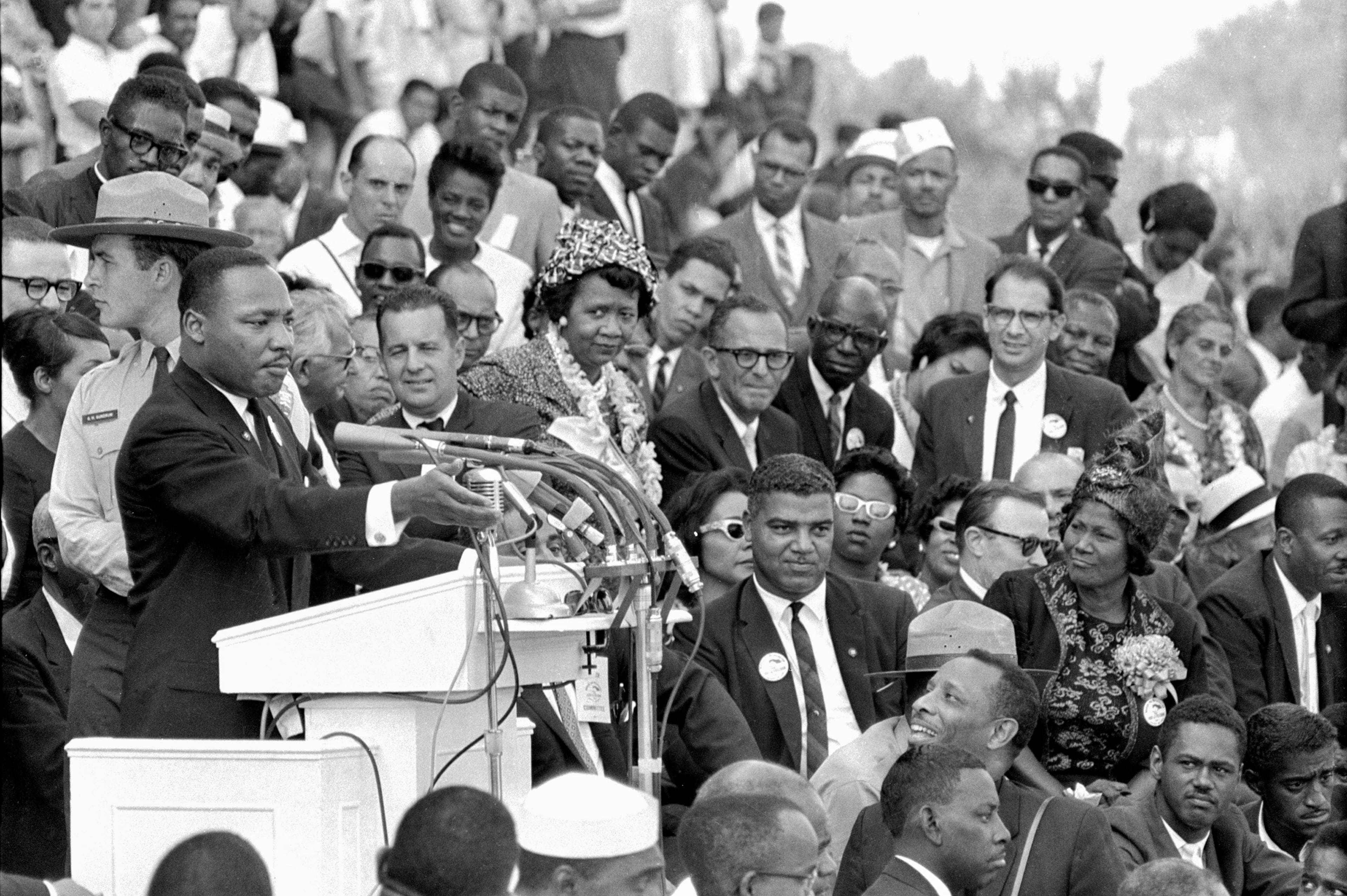
The Rev. Martin Luther King Jr.’s death unleashed similarly strong public emotions. Many Americans publicly mourned and protested the civil rights leader’s murder. Others branded him a troublemaker who got what he deserved. Georgia Gov. Lester Maddox, a staunch King opponent, called King, according to historian Rick Perlstein, “an enemy of our country” and threatened to raise the flag over the state Capitol back to full staff.
The public was largely unaware of most of these responses. They never went viral, lacking any medium to do so. Technology now allows us to see what total strangers from all walks of life from all over the world think about a new Pope, the British royal family or a political murder, simply by glancing at our phones. What we see often shocks, outrages and repulses, depending on your views.
Expressing joy at the sudden death of prominent figures is not a new phenomenon, born out of the all-pervasive smartphone and its accompanying apps.
Our technology changes, forever in motion, but, for better or worse, human nature remains the same. The fault, dear Brutus, is not in our stars — or our phones — but in ourselves.
Stan Deaton, Ph.D., is the senior historian and the Dr. Elaine B. Andrews Distinguished Historian at the Georgia Historical Society.