Roommates at 60 is a reality in Atlanta. Affordable housing isn’t.
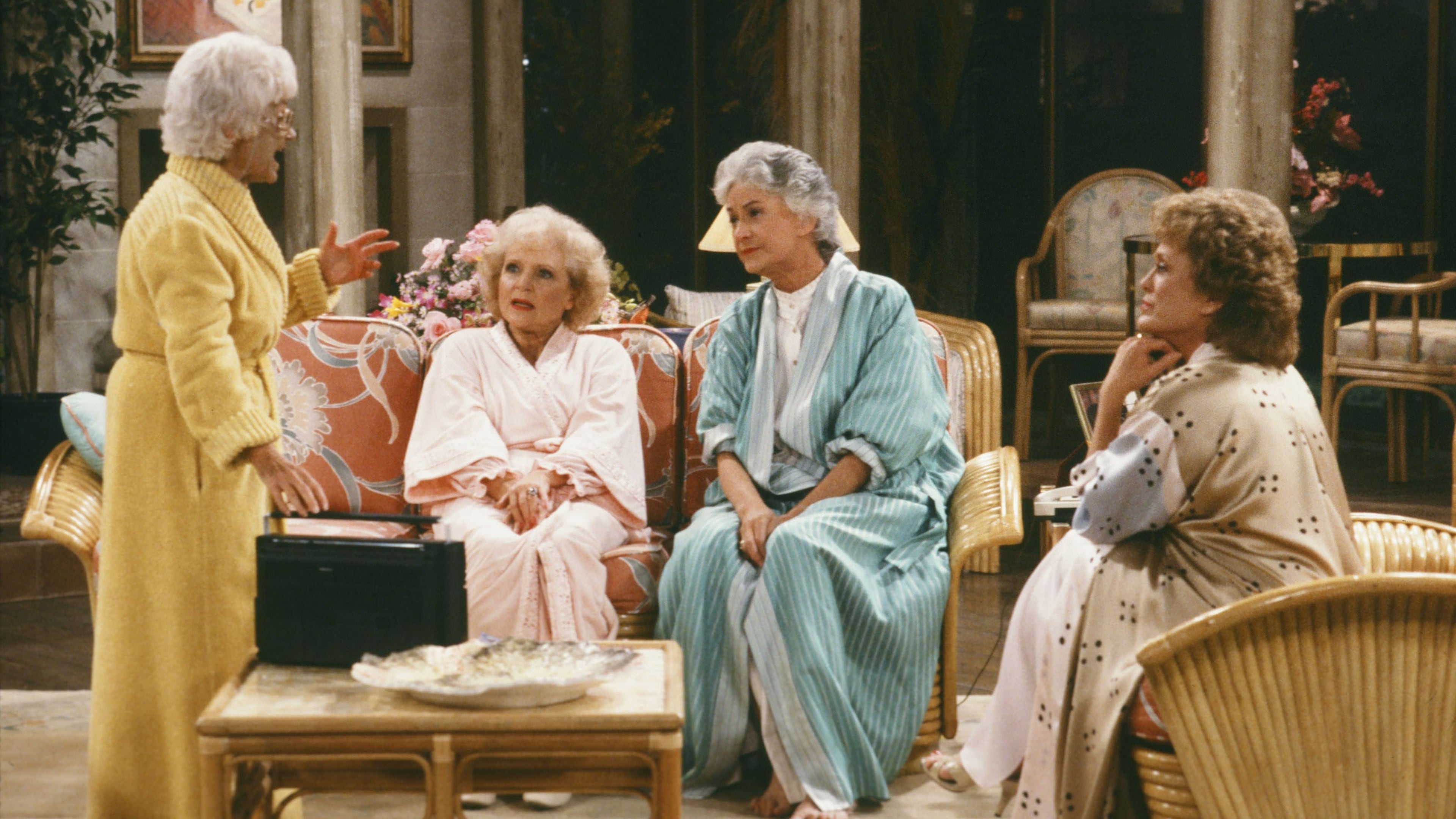
Beth Hogan and Debbie Aschemeier were in their early 60s, both divorced and working in the medical field, when their lives became front-page news in The Atlanta Journal-Constitution.
It was 2018, and the two women who loved gardening at their Mableton home had been strangers until, for social and financial reasons, they became roommates.
Their living arrangement was part of what was then a rising trend, “older Americans revisiting roomies,” the headline stated.
Almost a decade later, that trend is rapidly becoming a norm.
We have generally considered living with roommates to be a rite of passage reserved for college students and young adults, but in the five years post-pandemic, skyrocketing rents and housing costs have pushed more older adults to look for roommates.
Older roommates account for a smaller percentage of the total home sharing market but are growing at faster rates than roommates in younger age groups, according to data from SpareRoom, a roommate finder that surveyed age data from 8,000 Atlanta tenants seeking or offering a room.
In Atlanta, adults between the ages of 45 and 64 seeking roommates for shared rentals were the highest growth segments of roommate seekers from 2020 to 2025. Younger roommates, those between the ages of 18 and 34, showed negative growth, as they were priced out of the rental market altogether.
The shift is yet another call for the city to build more affordable housing that is accessible to all Atlanta residents. But it is also an invitation to confront outdated beliefs about what life after 45 may look like for those who can’t afford to or choose not to live solo.
In 2025, almost one-third of all renters living with roommates in Atlanta were age 45 or older. The proportion of 55- to 64-year-olds seeking roommates in metro Atlanta grew 76% from 2020 to 2025.
Some older roommates are roommates by choice, but others have been forced into a living situation they may not have anticipated. The biggest culprit is the lack of affordable housing in metro Atlanta.
I started this column by retelling the story of Hogan and Aschemeier to make a point: This isn’t a new phenomenon. It is a persistent concern that, after almost a decade, is only growing more prevalent in metro Atlanta.
There is a sizable gap between what Atlantans who room with another person can afford to pay — about $810 per month on average — and the current average roommate rent of $963 per month.
In early May, the topic of who can afford Atlanta’s alleged affordable housing was a sticking point for City Councilmember Kelsea Bond.
At a meeting to discuss recommendations of the Neighborhood Reinvestment Initiative Commission and the possibility of extending Tax Allocation Districts for 30 more years, Bond took issue with Invest Atlanta’s definition of 80% area median income as affordable housing.
That translates to $1,600 per month for a one-bedroom apartment, which, as Bond noted, is not affordable for anyone making minimum wage.
It is also not ideal for anyone seeking a roommate.
If the average rent a roommate in Atlanta can afford is $810, then $1,600 is just about their max for shared housing. Do we then expect two people (who are not related or in a relationship) to share a one-bedroom apartment?
The city plans to build or preserve 20,000 affordable housing units by 2030, but given the current definition of affordable housing, that isn’t likely to satisfy the flow of renters at both ends of the age spectrum who are seeking spaces that fall within their financial constraints.
As more older adults seek roommates, our perception of living with roommates as a youthful life stage must change.

In our individualistic society, living with other people, especially at an older age, is too often commingled with failure, an indication that something in your life has been mismanaged or bungled.
But for many older adults who have decided to take the roommate journey, there are benefits that extend beyond affordability.
Living with a roommate offers insulation from the loneliness and social isolation that some older adults may experience. It can also provide a sense of security with another adult in the home, as well as someone to share household chores with.
Specialized services designed to help older adults find roommates can increase the possibility of a successful match by filtering for age and compatibility.
There are also cohousing or shared housing groups, such as the Onyx Group in Vine City, that offer affordable, fully furnished shared housing for independent adults over 50.
It is becoming more socially acceptable for older adults to live with roommates, but our acceptance of this reality shouldn’t take the focus away from the problem that brought us to this point.
Housing in Atlanta needs to be more affordable for more people. Living with roommates, especially for independent older adults, should be a choice, not a financial necessity.
Read more on the Real Life blog (www.ajc.com/opinion/real-life-blog/) and find Nedra on Facebook (www.facebook.com/AJCRealLifeColumn) and X (@nrhoneajc) or email her at nedra.rhone@ajc.com.