With ICE presence, some Atlanta-area communities won’t engage in World Cup
In February, U.S. Immigration and Customs Enforcement Director Todd Lyons said ICE would play a “key part” at the FIFA World Cup across the United States host cities, including Atlanta.
The rhetoric has cooled somewhat since the deaths of two American citizens in ICE-involved incidents in Minneapolis and widespread protests this winter. Since then, there have been sentiments from the administration that claimed there would not be ICE raids at the World Cup.
Nevertheless, panic has spread throughout the immigrant community in metro Atlanta, especially as Georgia began 2026 ranked in the top five in the nation for federal immigration arrests.
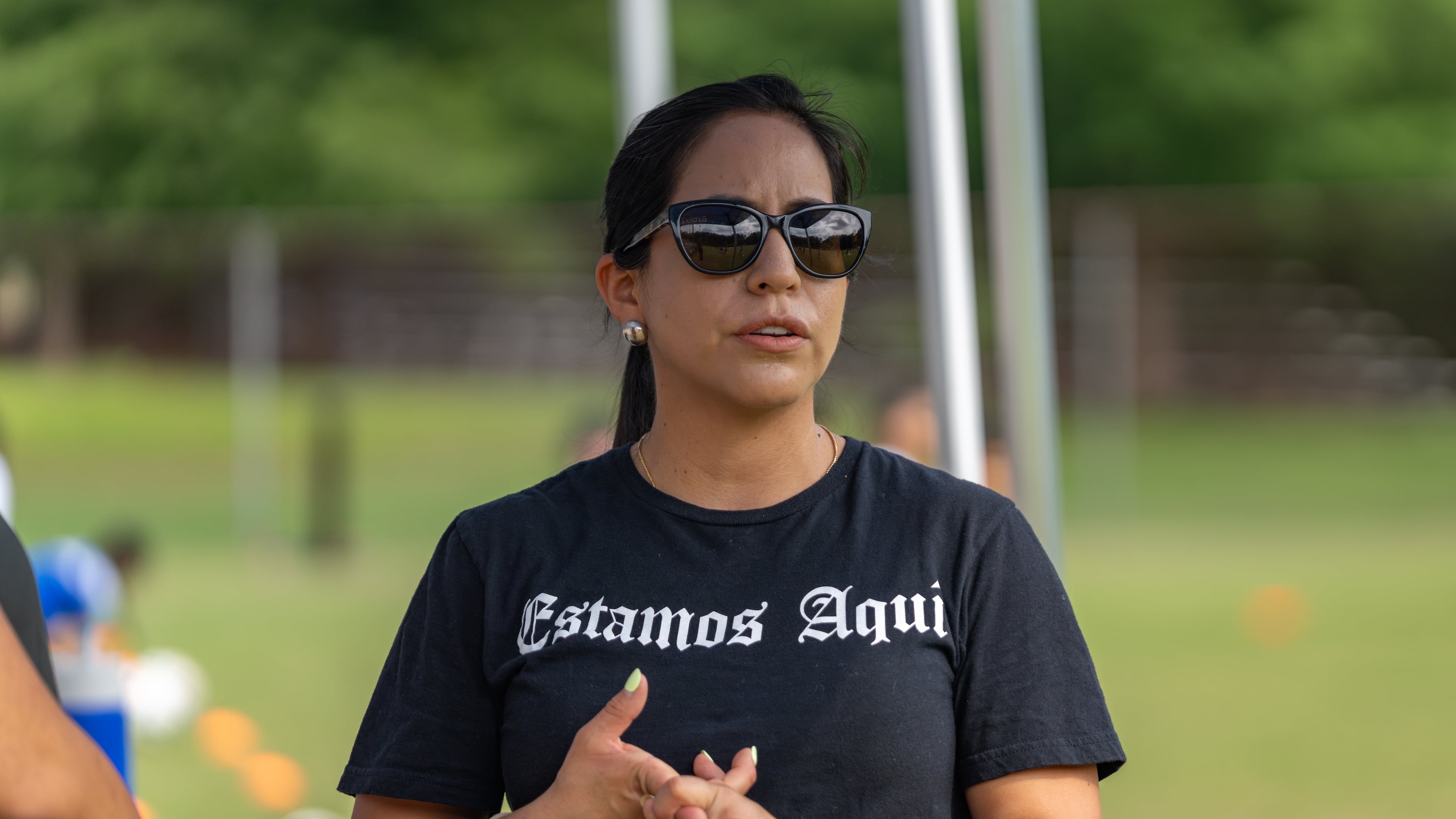
Pedro Viloria, director of community impact and wellbeing at Latino Community Fund Georgia, said the segments of the Latino collective have isolated themselves and only leave their homes when necessary.
“I think that retraction of our community of taking up space is really a symptom of the fear that is out there,” Viloria said. “I don’t anticipate that we’ll be participating as publicly as we may perhaps have in FIFA celebrations.”
AJC has you covered for World Cup
- Check out the AJC’s World Cup guide
- PHOTOS: Atlanta gets ready for its World Cup close-up
- Uzbekistan settles in to World Cup home base in Atlanta
- Ebola threat ‘extremely low’ ahead of Congo’s World Cup match in Atlanta
- From Spain to Haiti, here’s one thing about World Cup teams playing in Atlanta
- What are the chances the U.S. men’s national team plays a World Cup match in Atlanta?
- U.S. national team is in ‘really great position’ heading into World Cup
Many are afraid to even go to needed doctor’s appointments after President Donald Trump took office again in 2025, so World Cup activities have become a luxury instead of an integral part of many soccer-loving immigrant communities.
“Before, we were able to promise that ICE would be indifferent when it came to healthcare facilities; they would not infiltrate unless it was a particular person we’re looking for,” Viloria said. “Now, we can’t promise that anymore.”
Local organizers are unsure of what to expect from the involvement of ICE in the World Cup, with conflicting information.
In a statement, a spokesperson from the Department of Homeland Security told The Atlanta Journal-Constitution: “As the world prepares for the FIFA World Cup, the Department of Homeland Security is working around the clock with federal, state, local and international partners to ensure a safe and secure environment for players, fans and communities hosting these events.
“The safety and security of the American people and the millions of visitors attending these events remain our highest priority. DHS will continue leveraging every available authority, technology and partnership to protect the homeland while ensuring the World Cup remains safe, secure and successful for everyone involved.”
The spokesperson did not answer the initial question on whether ICE will be present as security at Atlanta Stadium, and DHS did not respond to a follow-up for clarification by the time of publication.
Still, through the confusion, local organizations have tried to gather as much information to serve their communities.
When Francisco Stenger, manager of community partnerships for Soccer in the Streets, saw the tensions boil over in Minneapolis, he took the concerns he was hearing from the community into action by devising a monthly newsletter to help members understand how to handle interactions with ICE. The organization also set up workshops with an immigration lawyer.
Soccer in the Streets is an initiative that offers free youth soccer programs at several MARTA stations around Atlanta. Its Station Soccer program creates accessible pathways for those not able to compete in pay-to-play leagues — many of whom come from Latino or African backgrounds.
“We want soccer to be a source of joy. We want when kids come, they have fun, and then the parents also kind of get to be part of the community to engage, and it’s all positive, uplifting,” Stenger said. “But at the same time, if there’s this tension … if I’m a parent who may or may not be sure of their migration status or legal status, I may feel extremely distressed in showing up to practice.”
Stenger said the organization has looked into security efforts. However, there is some “gray area” with the partnership with MARTA, as it’s partly federally funded. Stenger has made it clear to families that there’s only so much they can do and not risk their status for free soccer.
Separately, Soccer in the Streets also has a presence at another youth soccer opportunity in metro Atlanta, where the Latino Community Fund hosts a “wellness academy” for parents, including know-your-rights workshops along with Zumba and yoga classes.
“We just know the community is very worried, concerned,” Viloria said. “There’s a lot of second-guessing of if it’s necessary to go out at all. That’s why this camp is also really important, because this is one of the very few moments where they go out.”
Viloria said that the isolation has led to kids not getting to school, parents getting sick and an uptick in domestic violence. It’s even resulted in many not even knowing that several camp attendees are neighbors. The service has allowed some community building to develop, from distributing food or participating in World Cup collectible sticker books.
No matter how secluded the community, it still comes together in alerting others of ICE sightings through social media or ICE-tracking apps. In those instances of a heightened presence, Stenger said the protocol is just to cancel Station Soccer activities.
As much fear and confusion as there is surrounding the World Cup, there is also a concern that the tournament is acting as a shield from ICE with the rest of the world watching. After the global event ends in July, the worry will rise, too.
“I think there’s two kind of fronts that we’re dealing with — it’s the laws that’s written and the laws that’s applied,” Viloria said. “The laws that’s written is already difficult to navigate, but then we have to take into account that there’s humans behind the implementation, and the implementation is imperfect.”