South Georgia wildfires: Storms aid fire efforts as Brantley schools plan to reopen Monday
Much-needed rain fell Saturday in South Georgia, where crews are still battling two large wildfires.
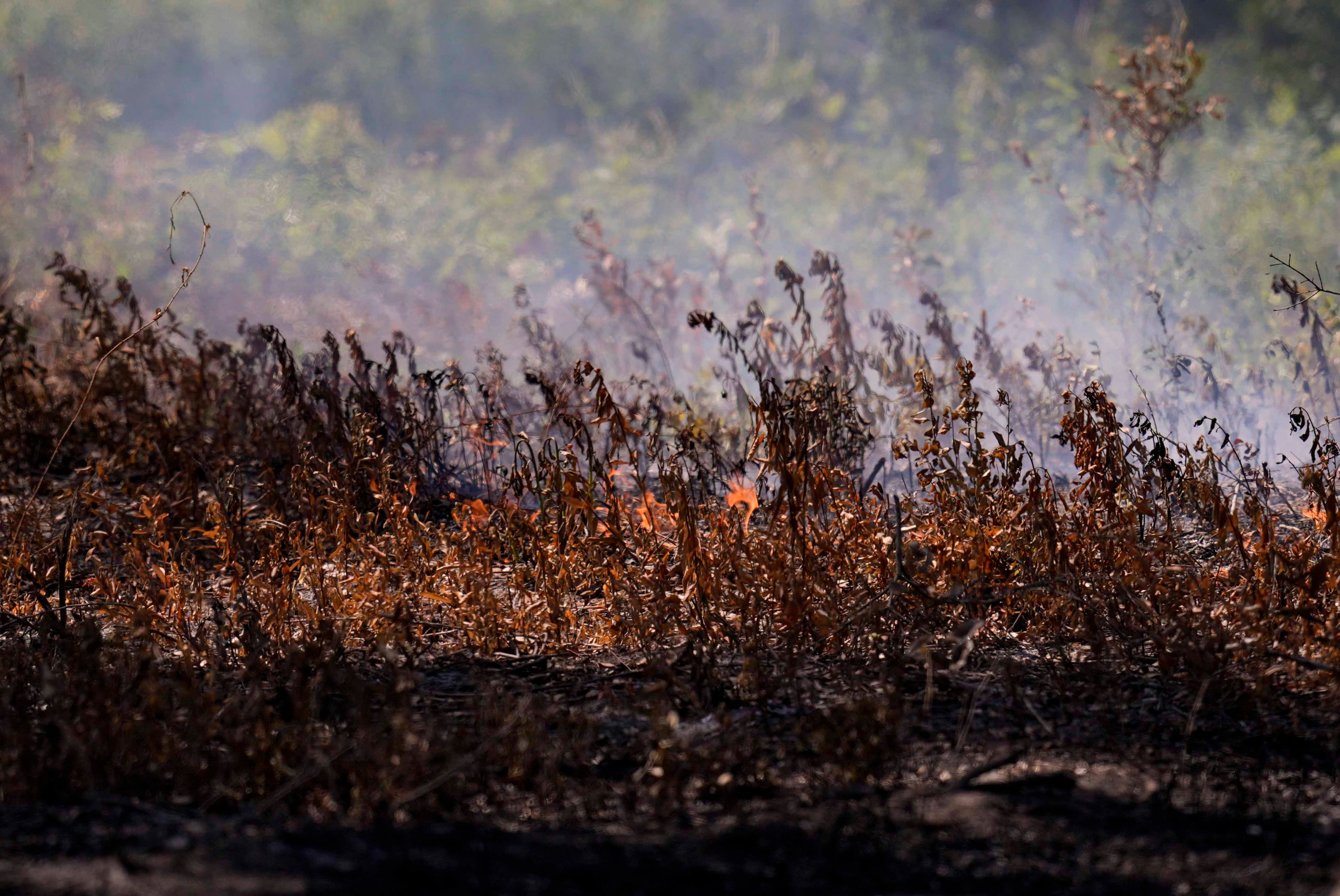
At least 1 inch of rain dampened the fire in Brantley County, which saw significant containment gains Saturday into Sunday. But the upcoming expected dryness could worsen things again as organic soils remain hot, officials said.
“As things dry out, expect smoldering areas and heat to resurface in spots,” Brantley officials said in a Sunday morning news release. “Conditions are expected to become more receptive to fire as the week progresses.”
Downpours are a necessity as the state struggles with an “exceptional” drought in most of southeast Georgia and an “extreme” drought in most other areas, including metro Atlanta. That dryness is one reason Brantley County’s Highway 82 blaze and the Pineland Road fire, in less-populated Clinch and Echols counties, have continued to burn.
“This rain will not be enough to extinguish the fire, especially in the burning organic soils,” officials said in a Saturday update about the Highway 82 fire.
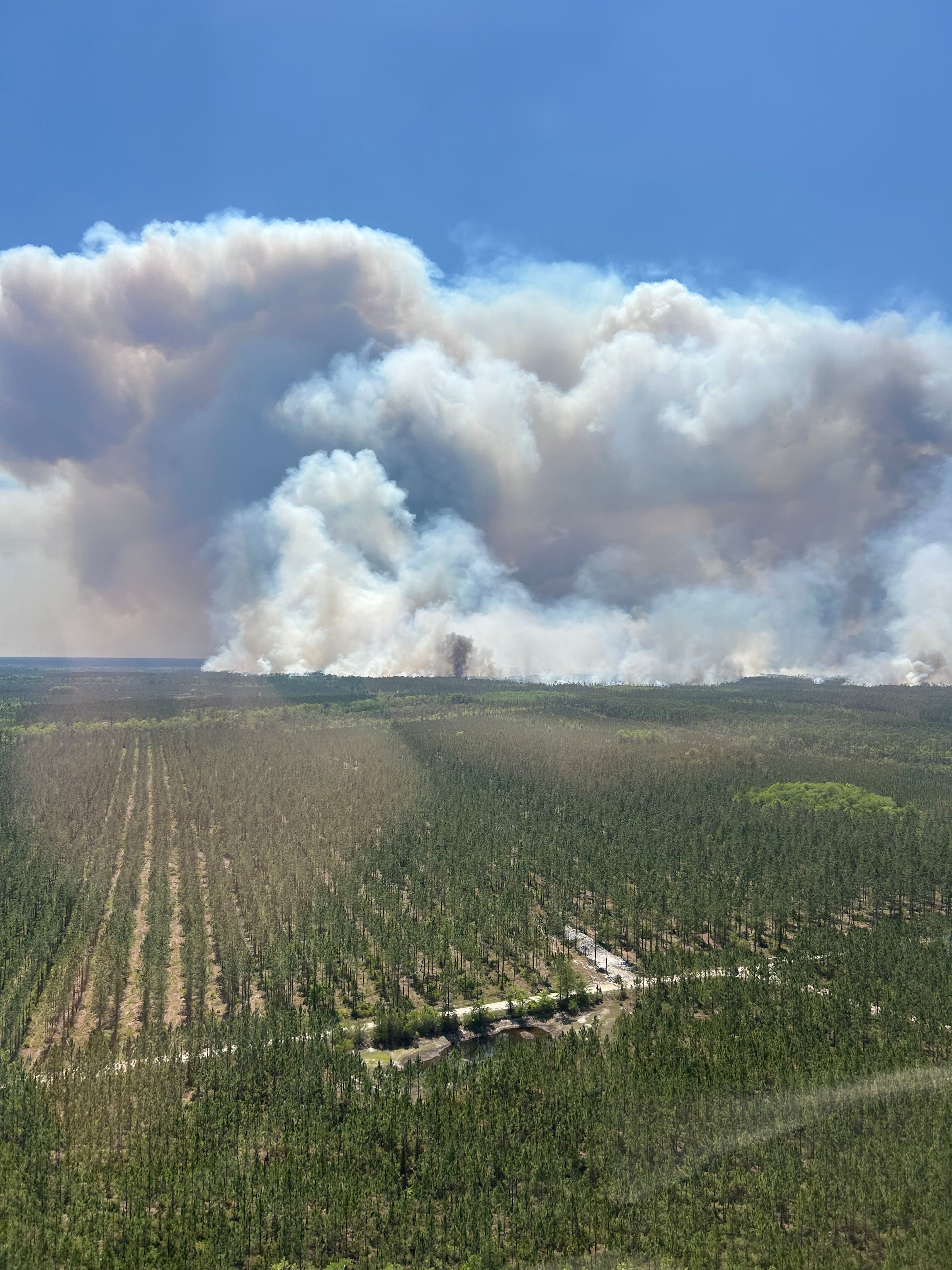
The Highway 82 fire stood at about 22,500 acres Sunday morning, officials said. It has threatened thousands of structures as it approached Wayne and Glynn counties. But firefighting gains will allow the roughly 3,200-student Brantley County Schools, closed since last week, to reopen Monday, the district confirmed.
The Pineland Road fire was at just over 32,000 acres, according to the Georgia Forestry Commission.
Both wildfires are more than 40% contained, a significant improvement from a week ago.
Across the state, about 56,000 acres have burned because of wildfires in the last 30 days.
On April 22, Gov. Brian Kemp issued a state of emergency executive order for 91 counties below metro Atlanta as crews battle blazes north of Jacksonville, Florida, and west of Savannah. The order has allowed for the National Guard to be deployed to affected areas.
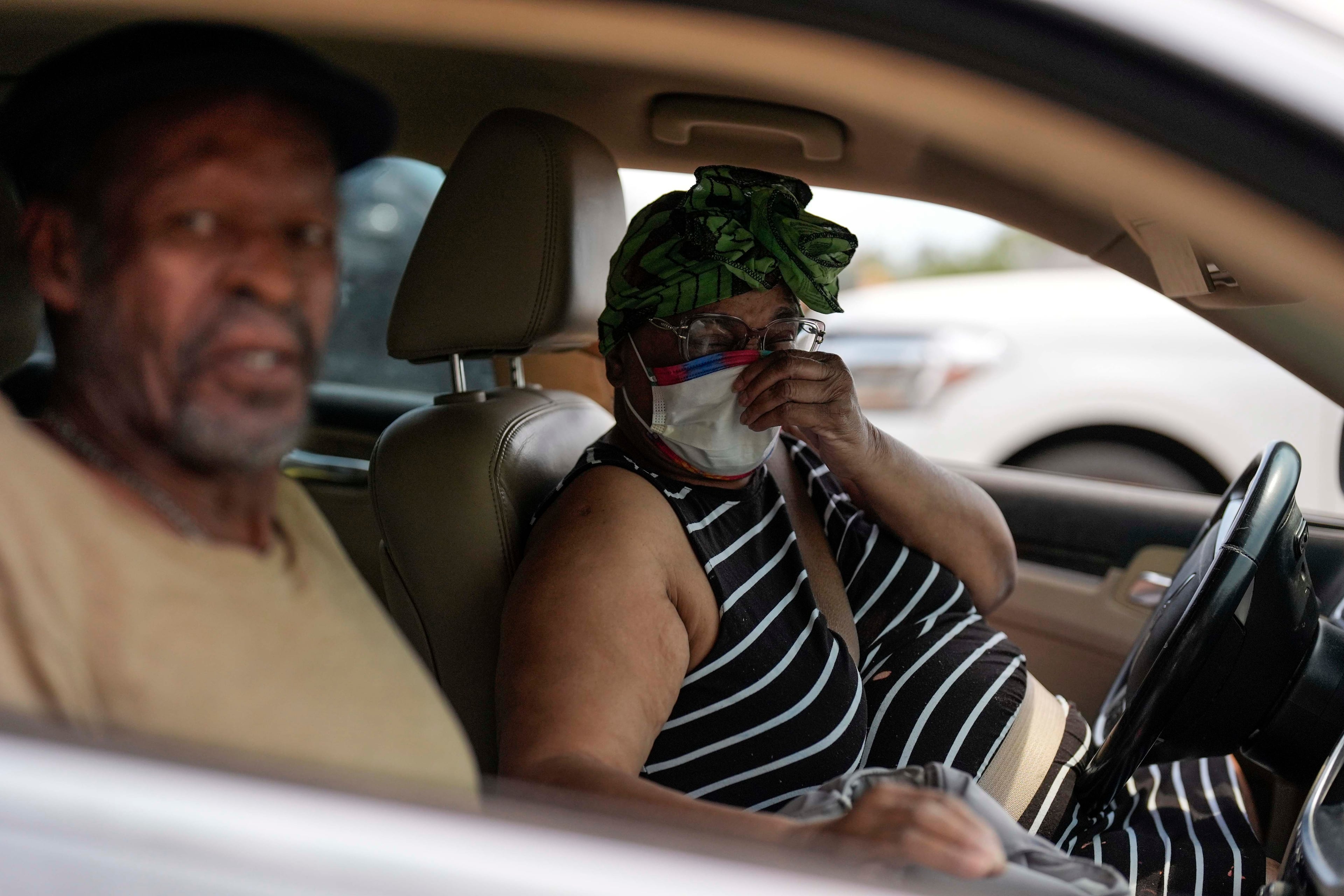
No fire fatalities have been reported, though locals have been forced to evacuate when the wildfires threaten their safety.
Here’s what to know about the wildfires in South Georgia and the impact in metro Atlanta.
Rain, air quality in Atlanta
North and Central Georgia, including metro Atlanta, is under a fire danger statement until 8 p.m. Sunday due to the extremely low humidity levels, according to the NWS.
The low humidity paired with drought conditions increase the risk of fires spreading among dry vegetation.
The annual summer burn ban, in place each year from May 1 to Sept. 30, affects 54 counties in North and Central Georgia, according to a news release from the state’s Environmental Protection Division.
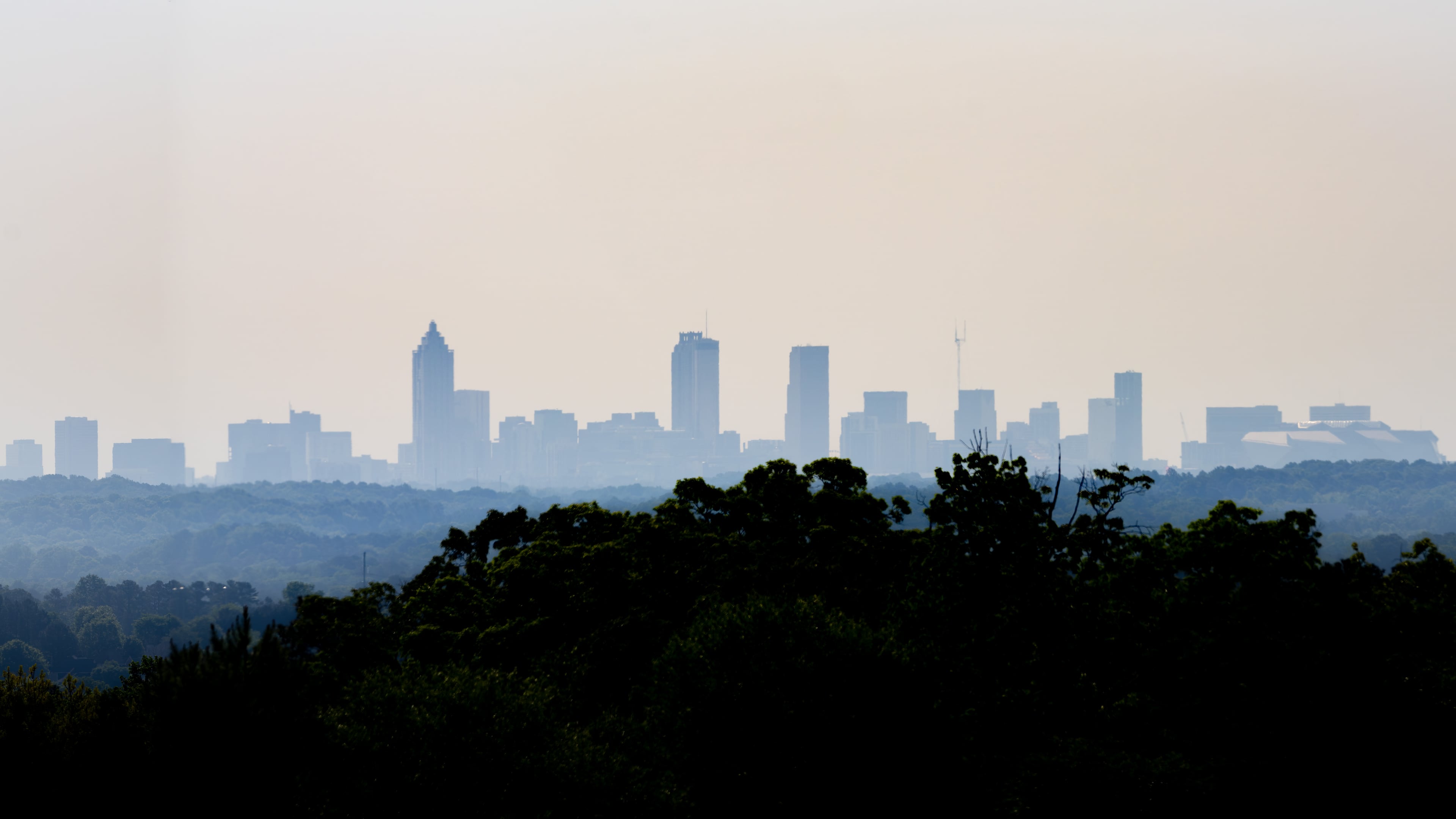
The city, which saw several days of smoke and haze from the wildfires, is experiencing “good” air quality Sunday, according to the U.S. Air Quality Index.
Highway 82 wildfire
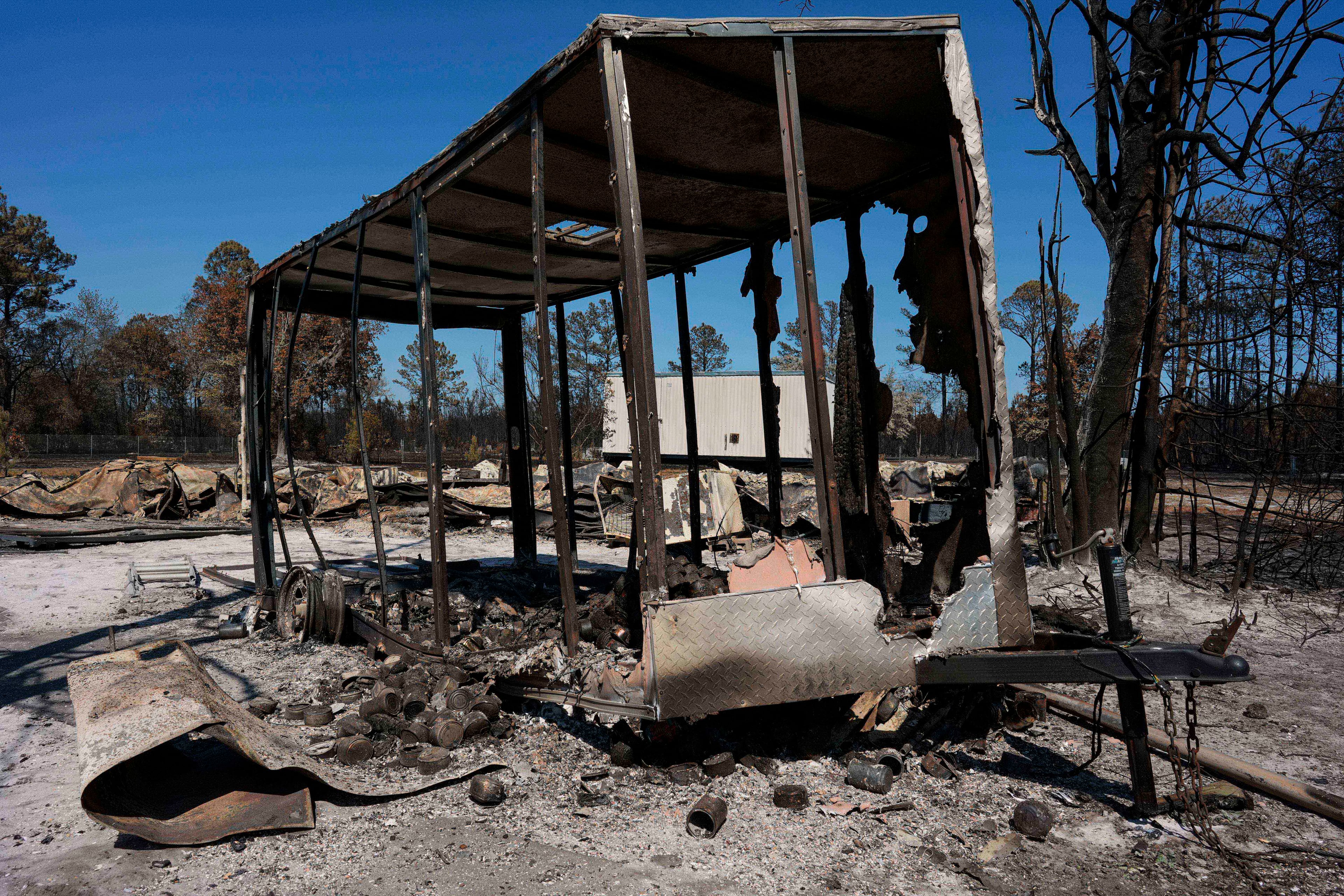
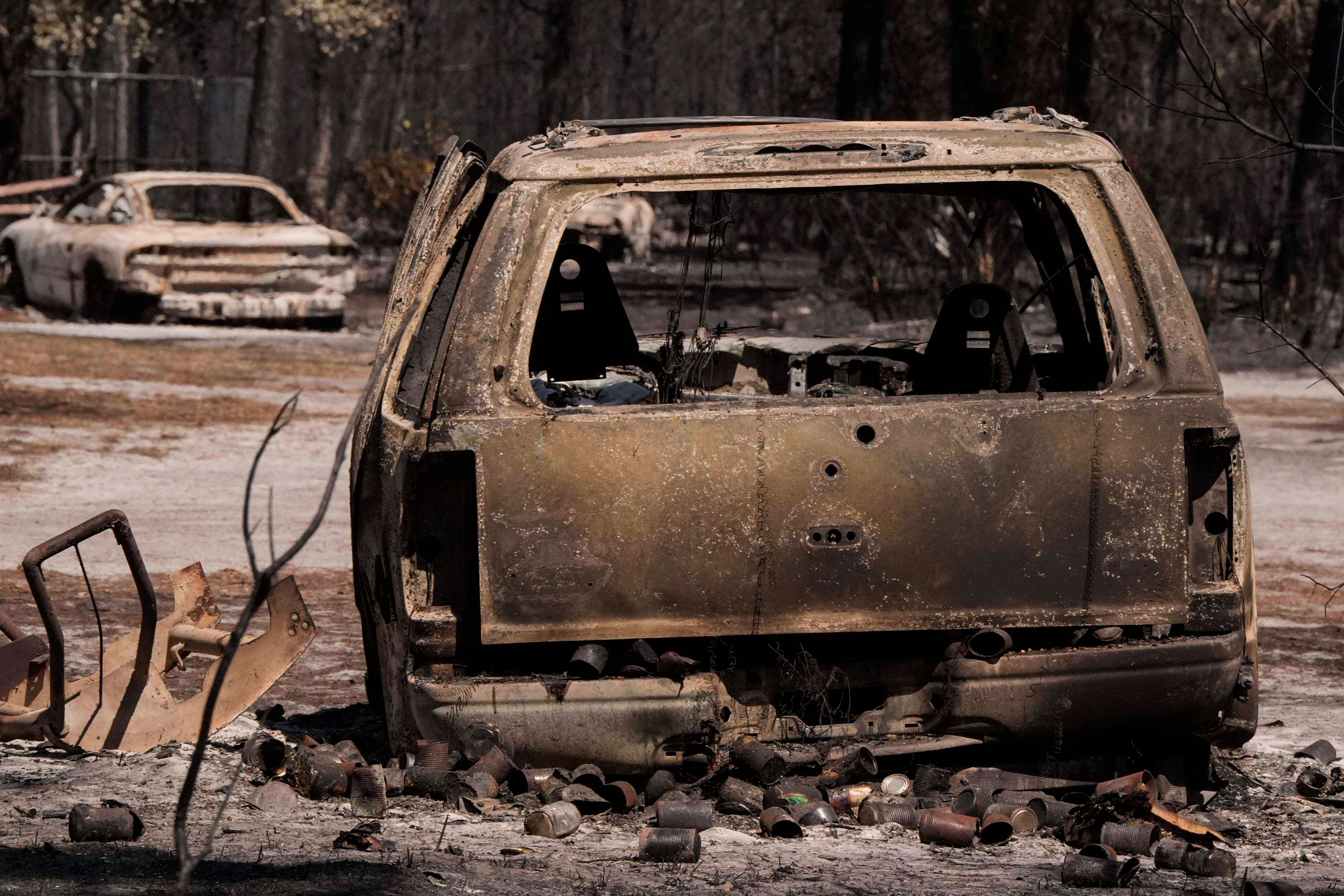
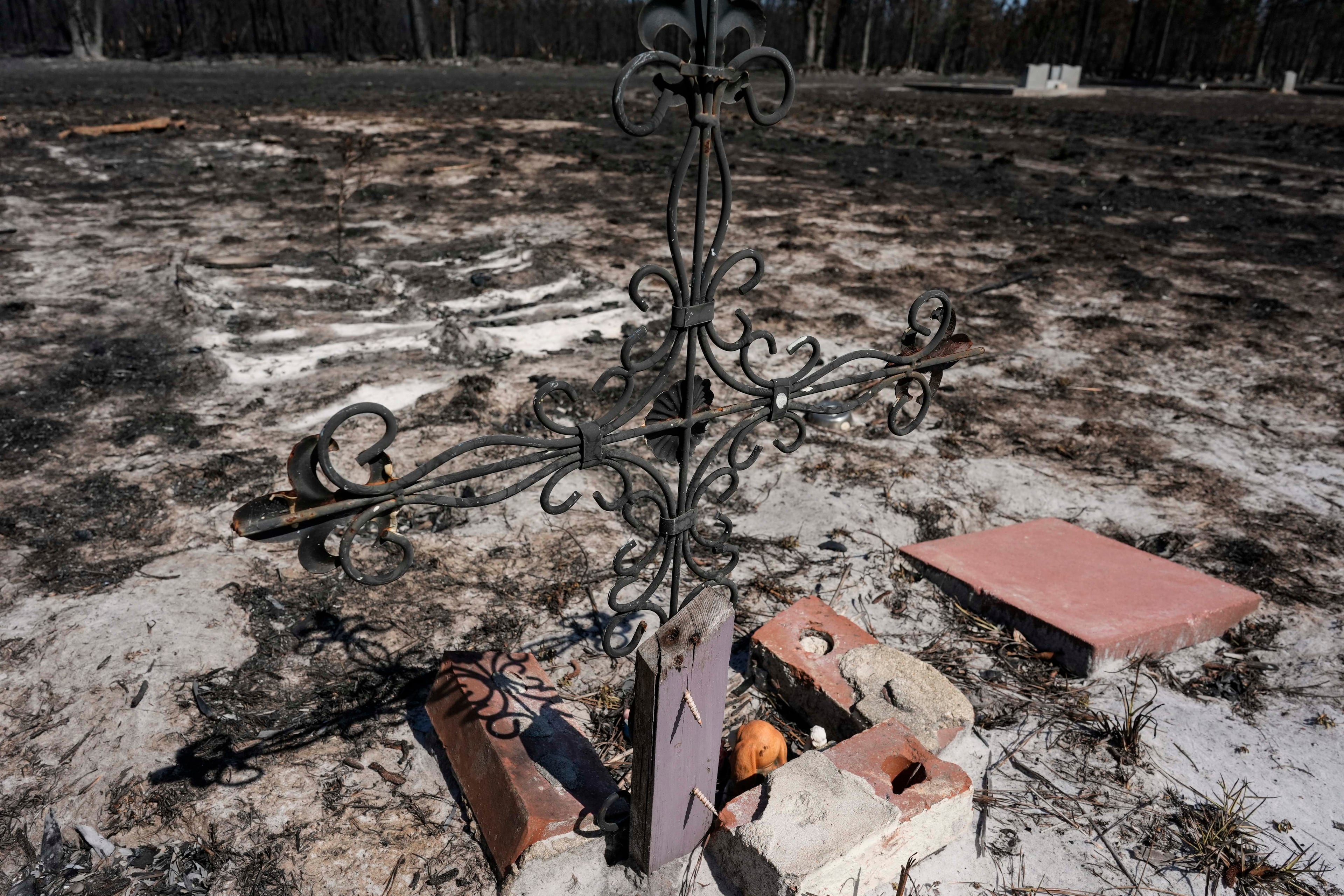
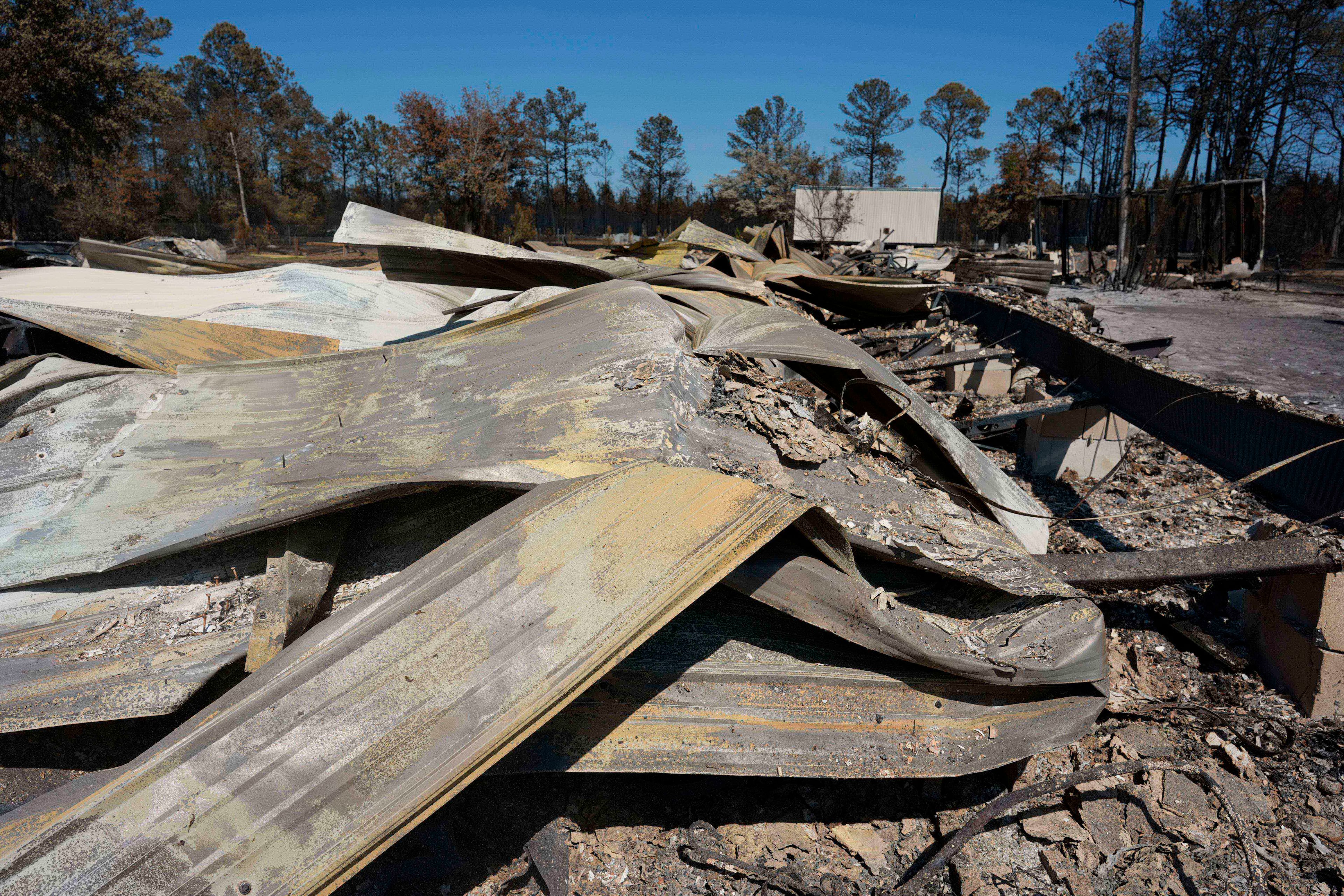
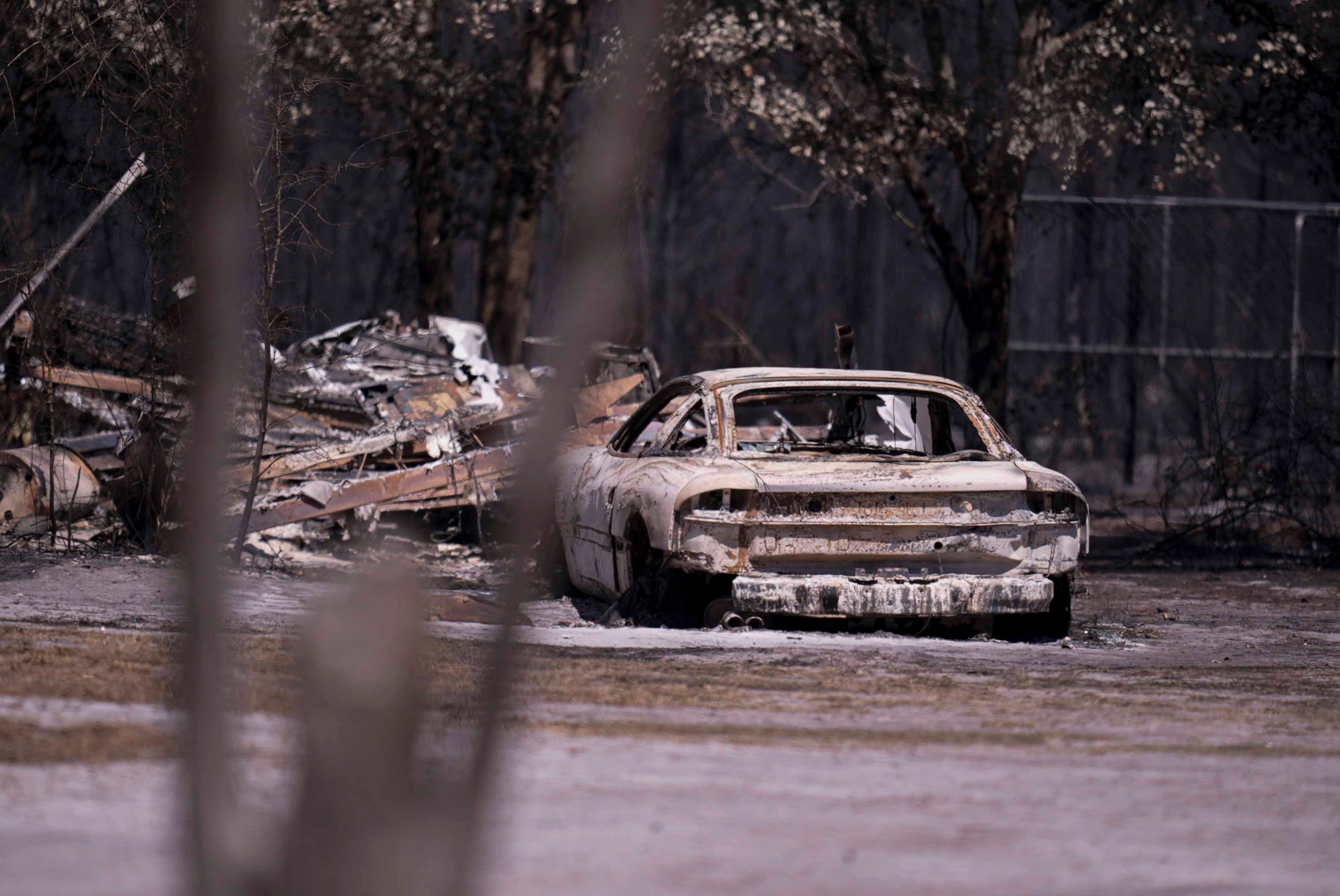
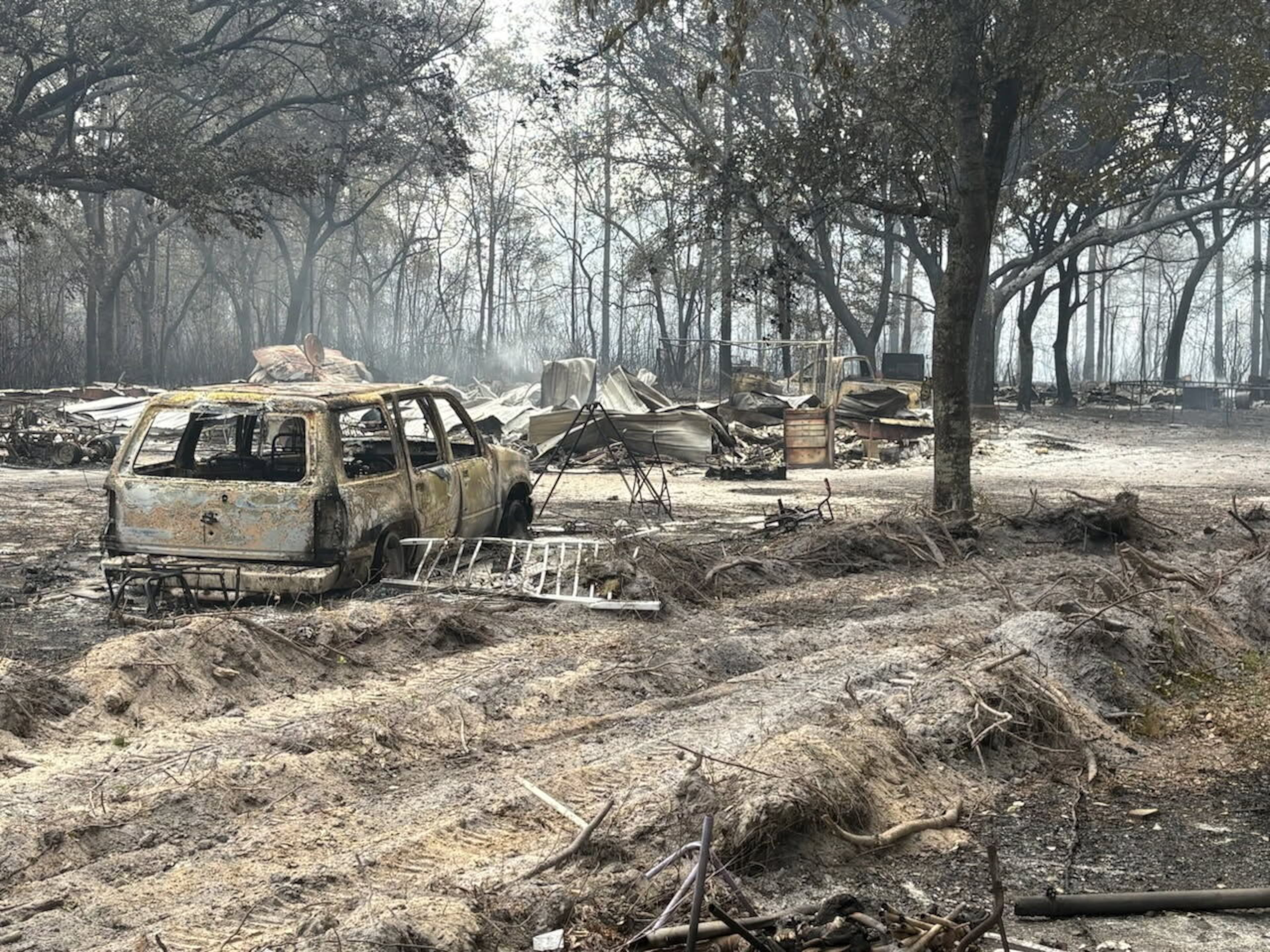
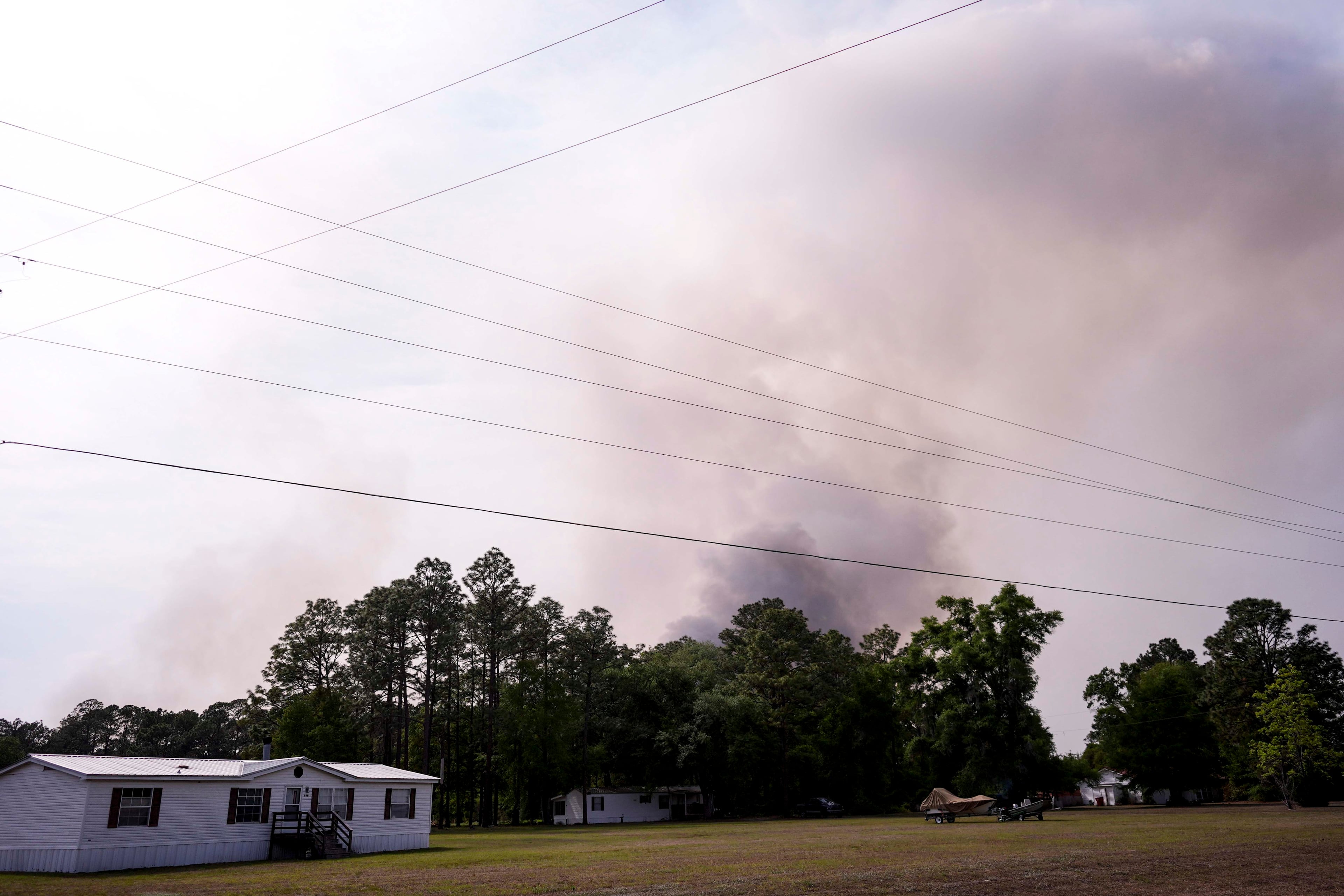
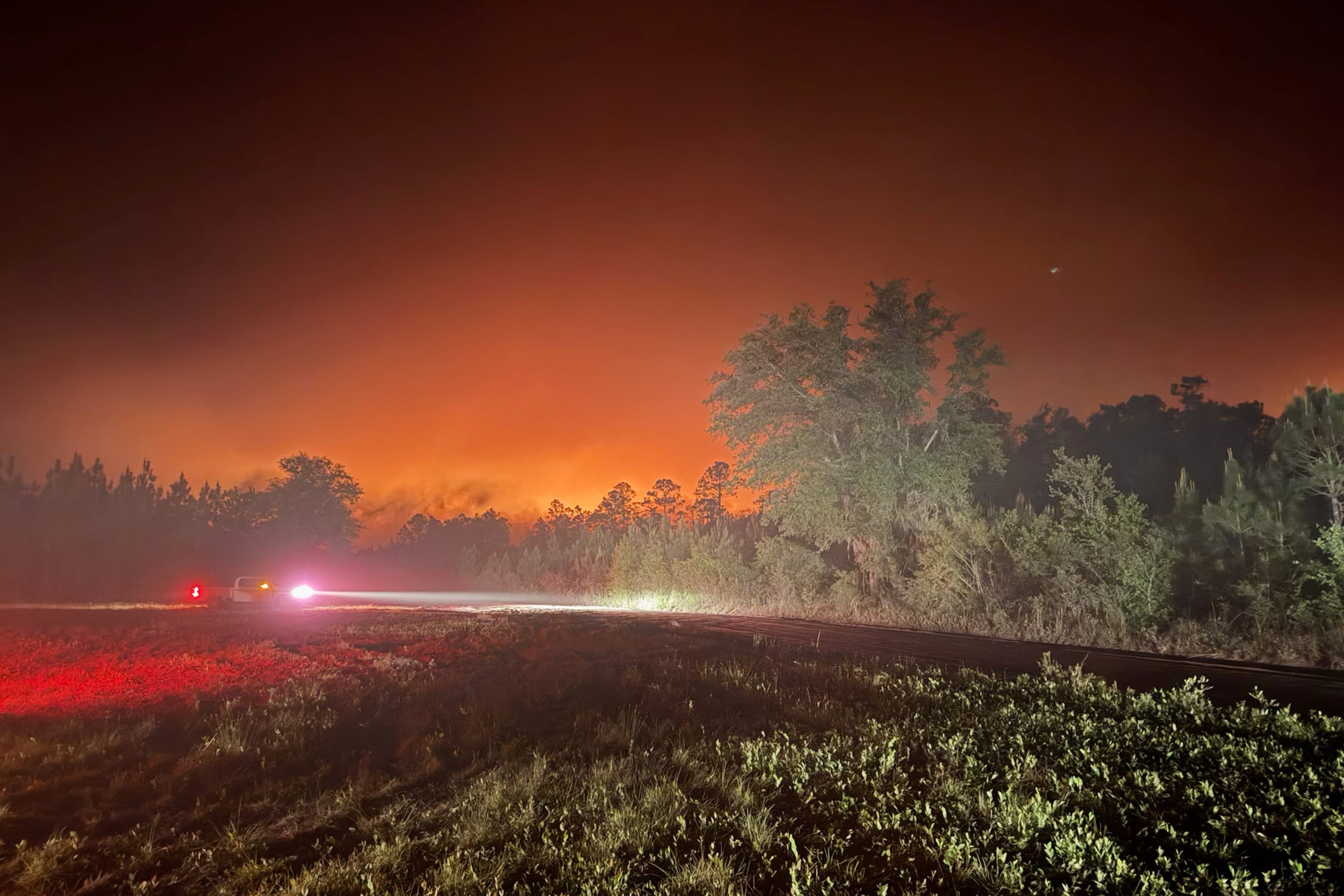
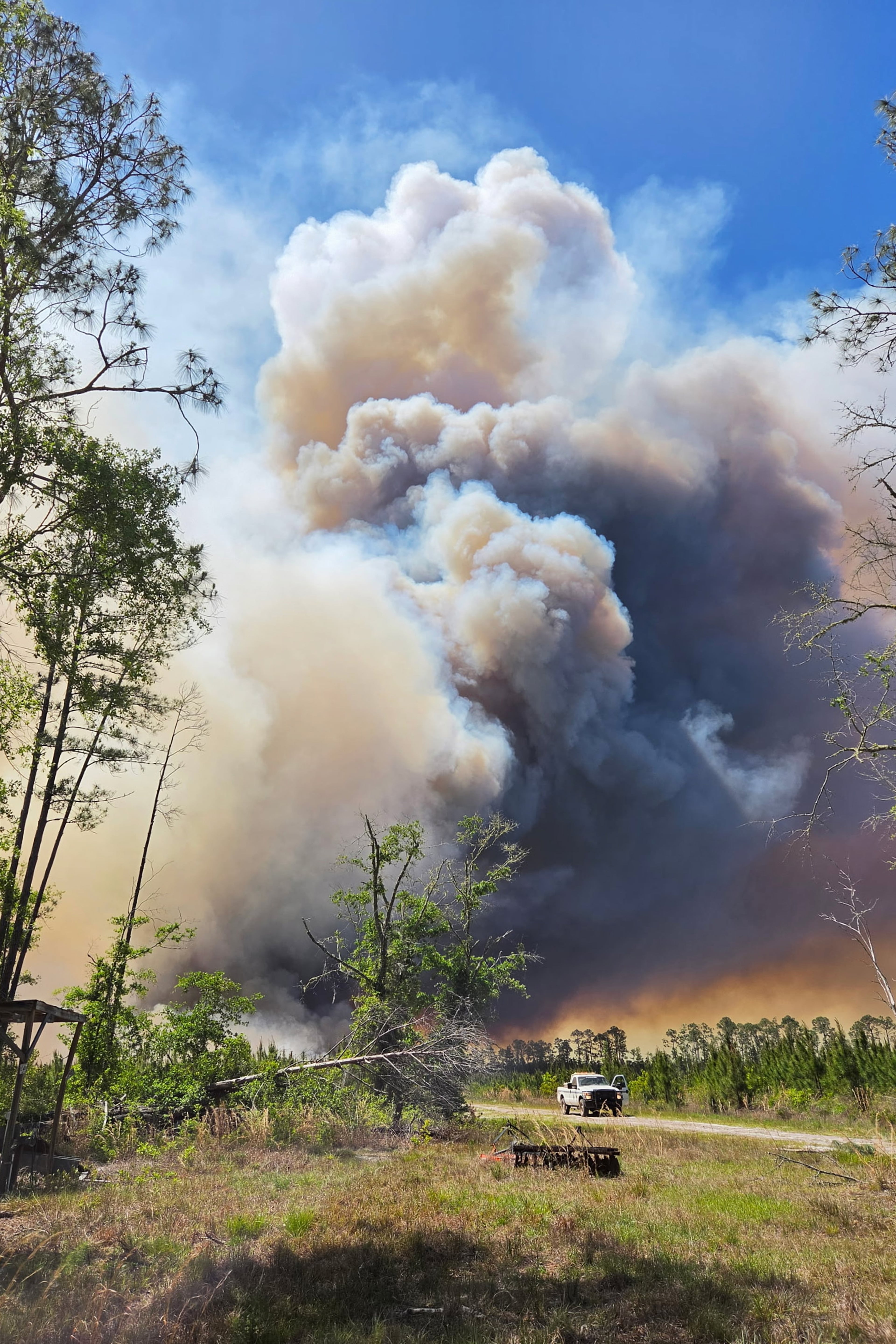
About 64% of the fire in Brantley was contained Sunday morning — a significant gain after about an inch of rain fell Saturday, officials said. Its size remained steady at about 22,500 acres. That wildfire began April 20 and has since destroyed at least 100 structures.
One week ago, the fire was smaller, at just over 13,000 acres in size, but only 7% contained.
“Please remember: the fire is NOT out. There is still heat and smoldering throughout the area. You may see smoke or areas with potential for re-burn. Fire personnel and equipment remain actively working — please use caution and stay aware,” the Brantley sheriff’s office said in a Friday social media post.
Brantley’s school district will reopen Monday, with leaders citing “the improvement of fire conditions.”
A district statement posted on social media added: “We also want to say this clearly and with care for families who have been impacted, displaced, or are still navigating property loss, please do not feel any pressure to return to school right away. Your safety, your needs, and your time to recover come first.”
And areas impacted by the blaze are under a nightly curfew from 8:30 p.m. to 6:30 a.m. until the fire is under control.
A significant number of roads around the fire remain closed.
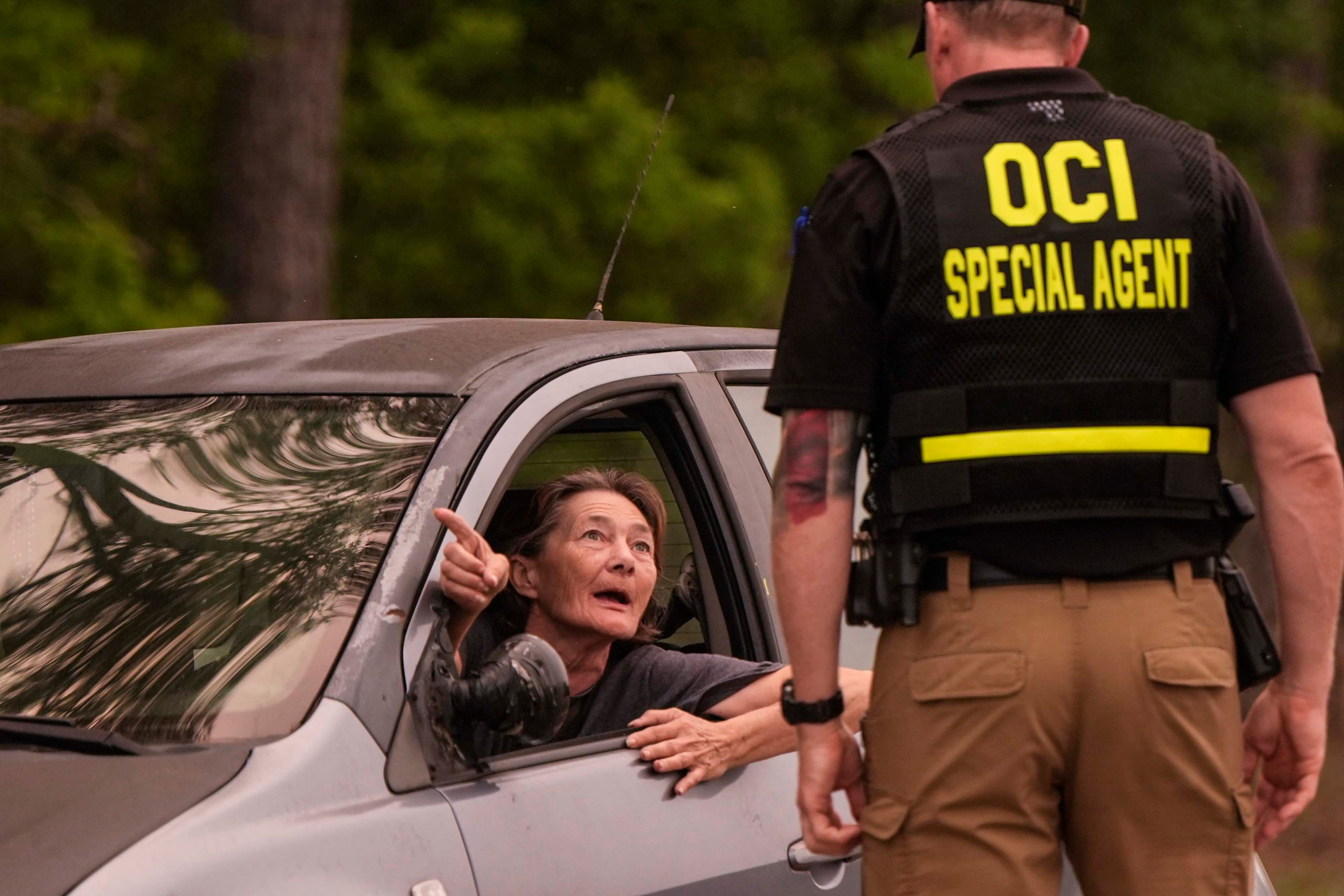
The National Guard has not been deployed to the area, but state forestry commission spokesperson Seth Hawkins said Federal Emergency Management Agency officials are on site. Those federal officials are assisting so that local leaders who have been helping with various efforts can get back to their normal jobs.

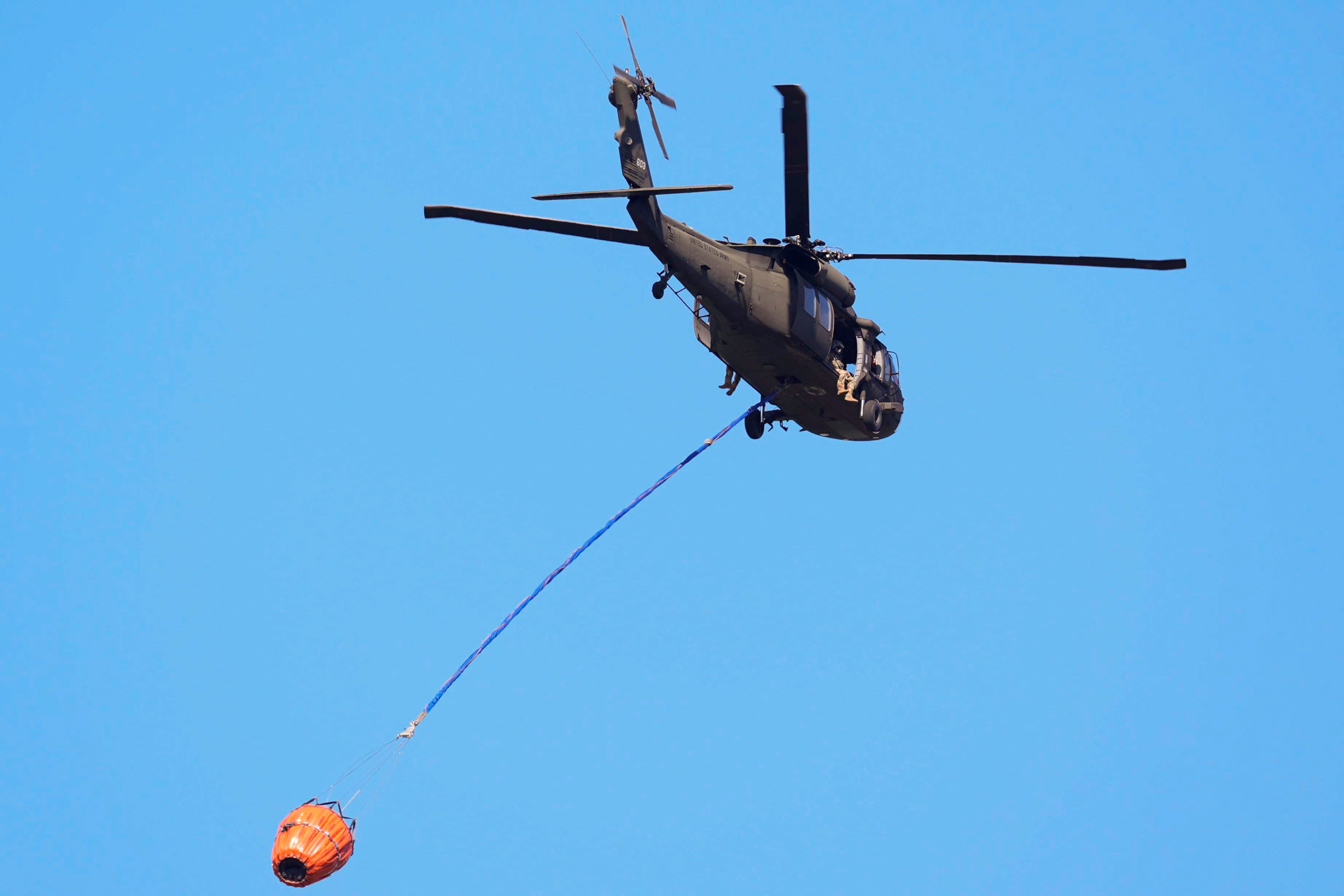
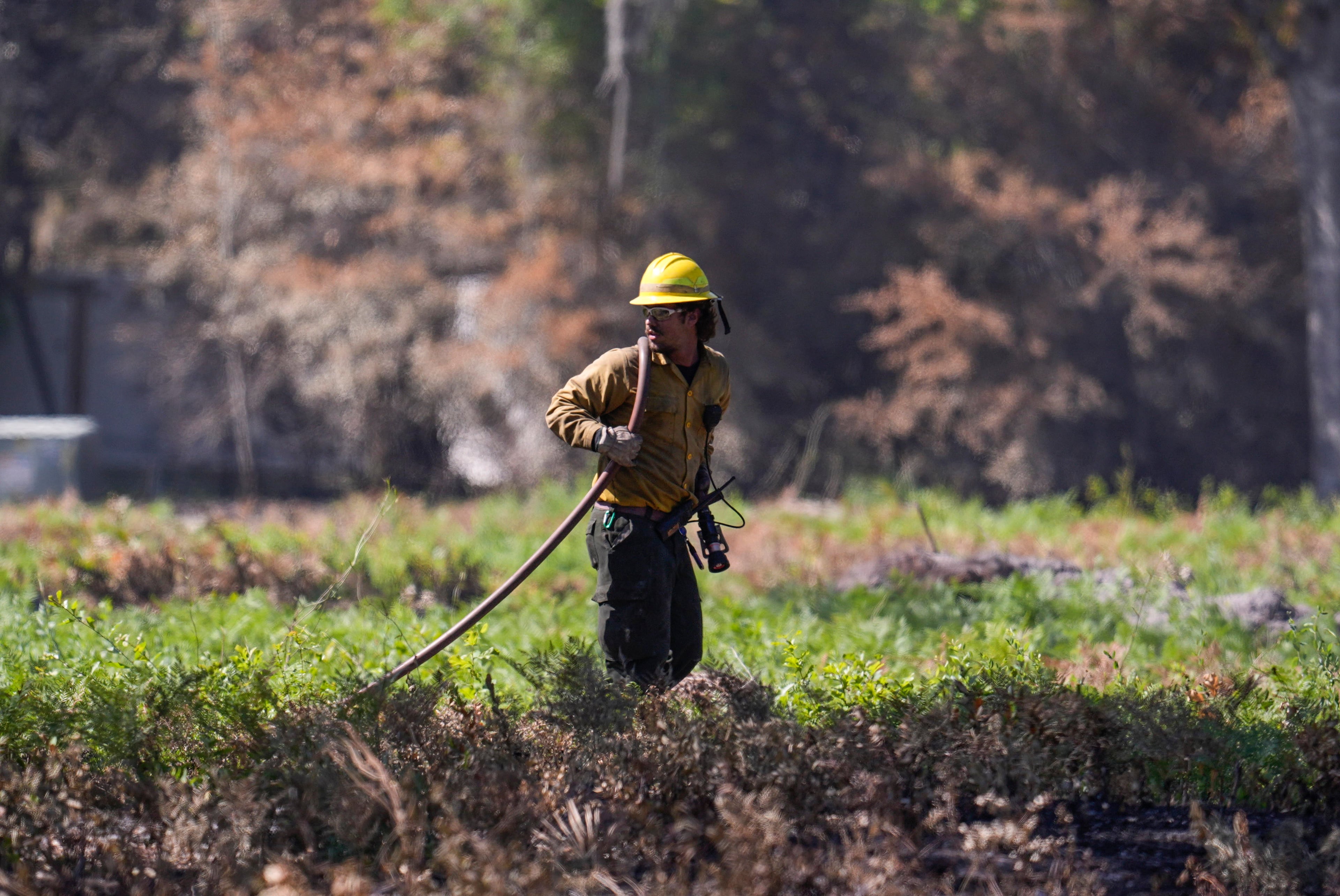
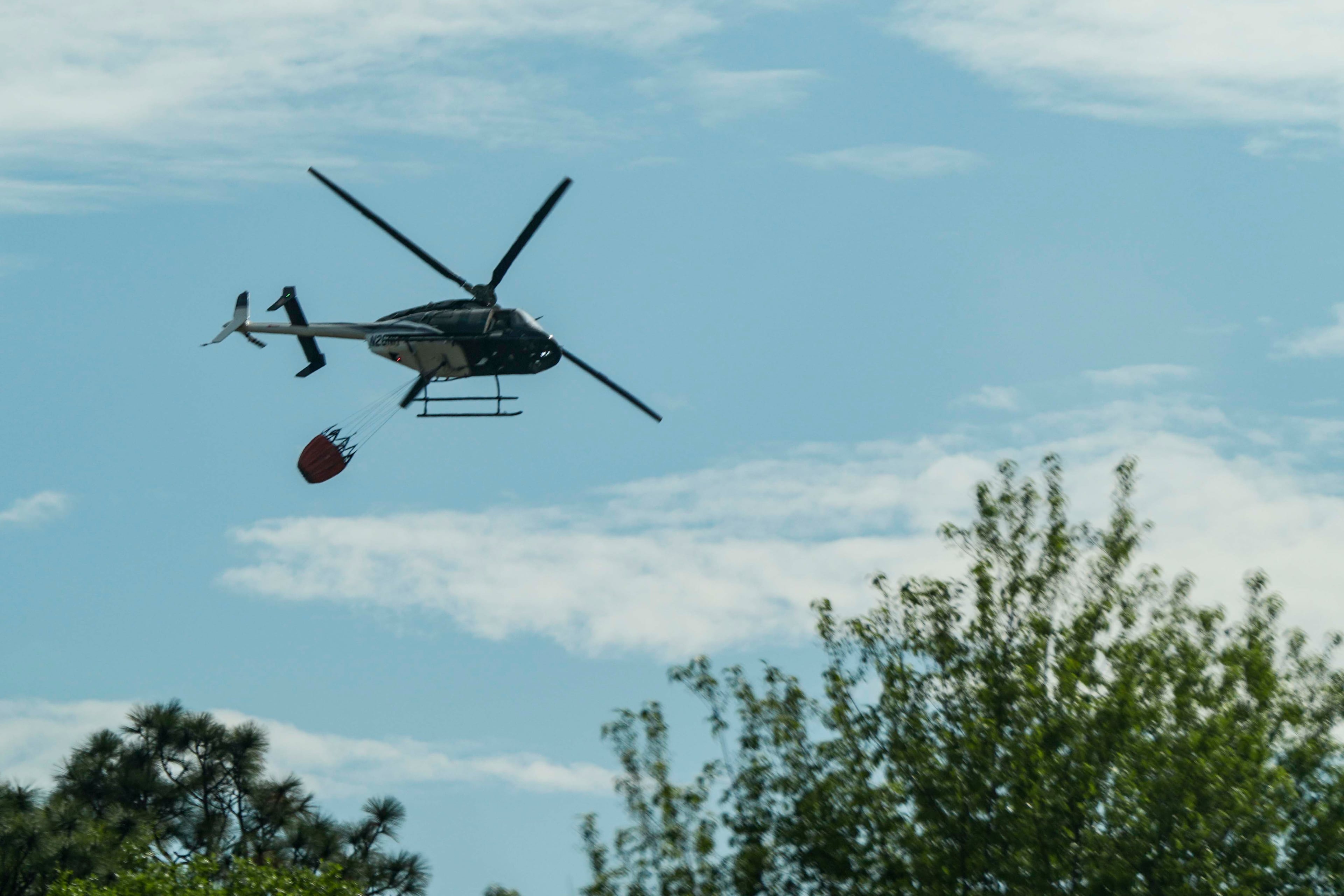
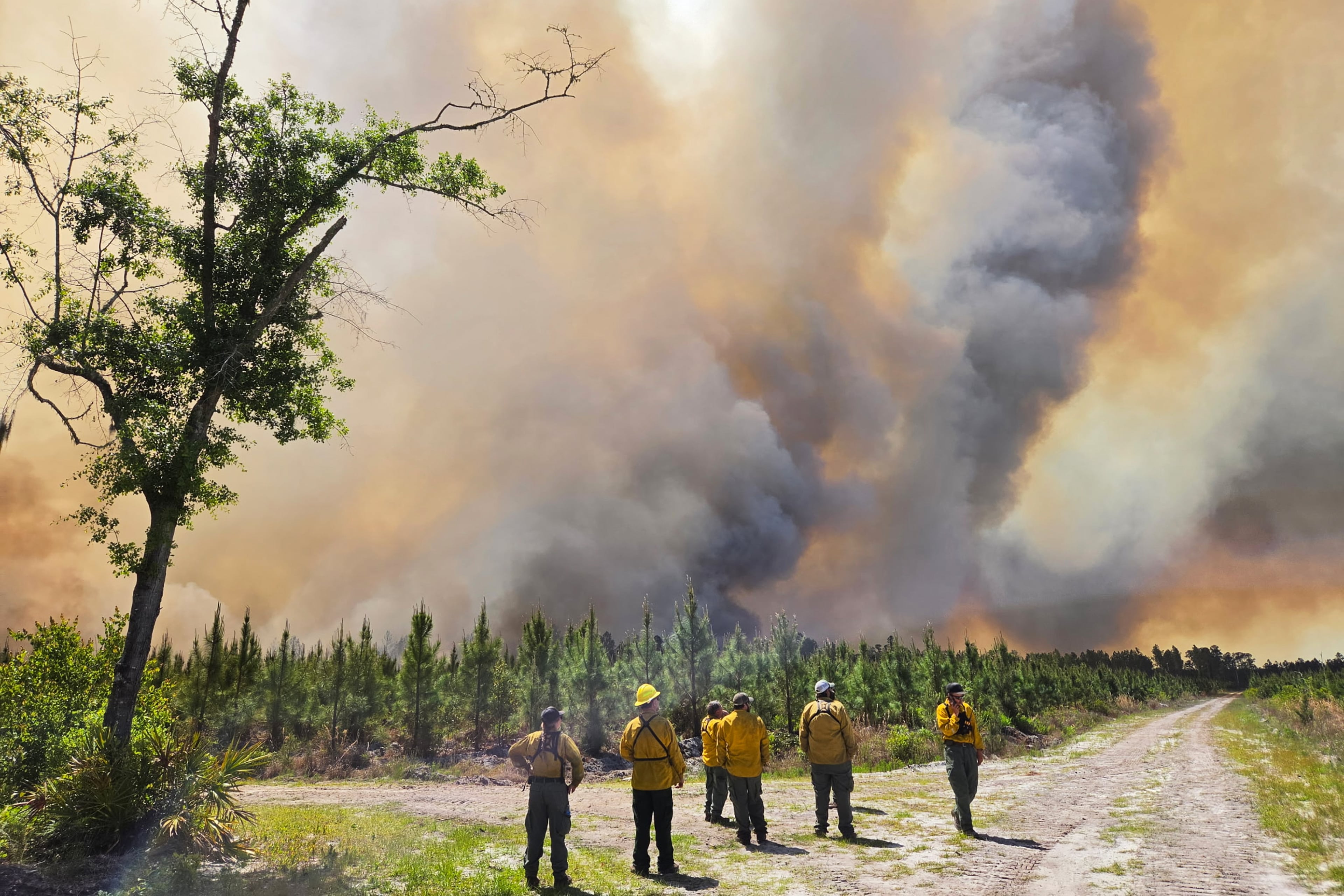
Firefighters from across South Georgia, the state’s forestry commission, the Georgia Department of Natural Resources and Georgia State Patrol continue to help. Crews are using bulldozers to plow fire breaks to prevent the fire’s spread. Firefighters are on the ground with brush trucks, and helicopters and a single-engine air tanker are dropping water.
Kemp told reporters earlier that officials believe the fire started after a balloon landed on a power line.
Pineland Road wildfire
More than 32,000 acres — including woodlands, swamps and bays — are being affected in the Pineland Road fire in Clinch and Echols counties. As of Sunday, 44% of the fire had been contained, according to the GFC.
The day before, the Echols County Emergency Management Agency announced an evacuation order had been lifted and residents could “return home safely.” About 140 people had been forced to evacuate or move to a shelter since the fire entered the county, local officials previously said.
Officials believe it began April 18 by “someone who was doing some welding,” Kemp said.
Georgia Department of Natural Resources spokesperson Haley Chafin confirmed the National Guard is helping with “aerial suppression operations” at that fire, which can involve dropping water from helicopters or other aircraft to slow the spread.
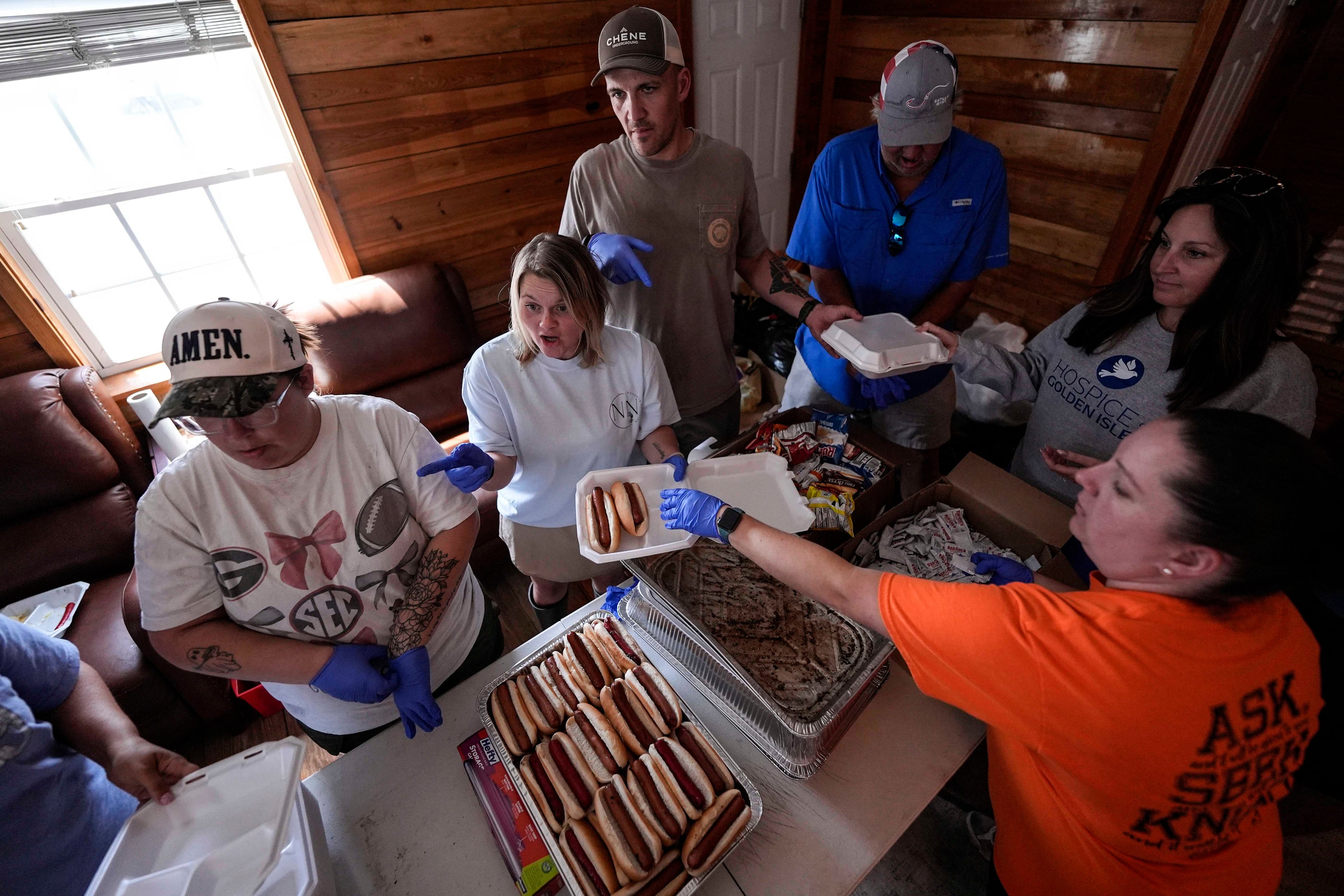
Thomas Holloway described the feeling in Clinch last week as “weird and eerie” as smoke cloaked the community. Holloway, pastor at Free Will Baptist Church in Homerville and a school bus driver, has helped lead efforts to collect supplies for firefighters and has guided groups praying for rain.
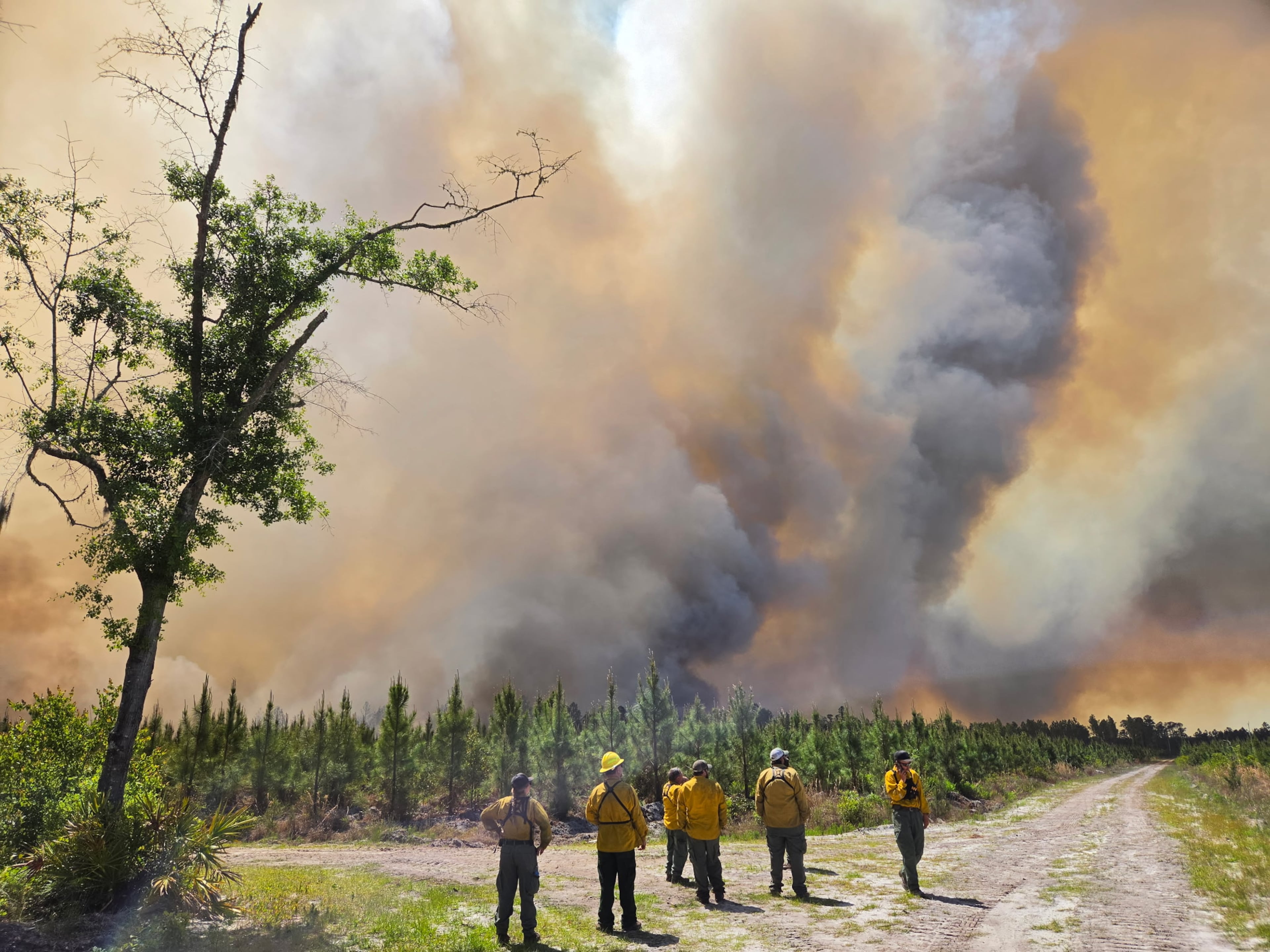
“(The wildfire is) just sitting out there, and you’re wondering if it’s coming or not, or if it’s going to go somewhere else,” Holloway said. “At the same time, you’re worried about everybody else that’s in the path, worried about your friends and your church family.”
Drought conditions
Most of Georgia has been under an extreme drought, with parts of South Georgia under an exceptional drought. Such conditions led the Georgia Forestry Commission to sign a burn ban for the same counties as Kemp’s emergency order.
“We need everyone to take this situation seriously,” Johnny Sabo, director of the Georgia Forestry Commission, said in a news release. “GFC’s wildland firefighters are responding daily to a near-record number of wildfires. It’s critical to remember that just one spark or ember can ignite a life-threatening wildfire.”
The active burn ban, said to be necessary to “preserve life and property because of unusually hazardous conditions,” will expire May 22. It’s active for areas south of metro Atlanta, running from Harris to Columbia counties and to the Florida state line.
It’s the first time in the state’s history the forestry commission has ordered a burn ban, Kemp said. Bartow, Cherokee, Henry, Polk and Troup counties issued their own burn bans because they were not included in the state agency’s wider ban.
The Weather Service has said this week’s rain may improve drought conditions in Georgia, but it’s not expected to make a significant impact.
The Weather Service has warned this has been the largest drought coverage in nearly 20 years.

Where to get more information
- Georgia Forestry Commission current wildfire information
- Georgia Forestry Commission fire map
- Brantley County Sheriff’s Office
- Echols County Emergency Management Agency
— Staff writers Adam Van Brimmer in Savannah, Fletcher Page in Athens and Cassidy Alexander contributed to this report.