Georgia U.S. Rep. David Scott has died
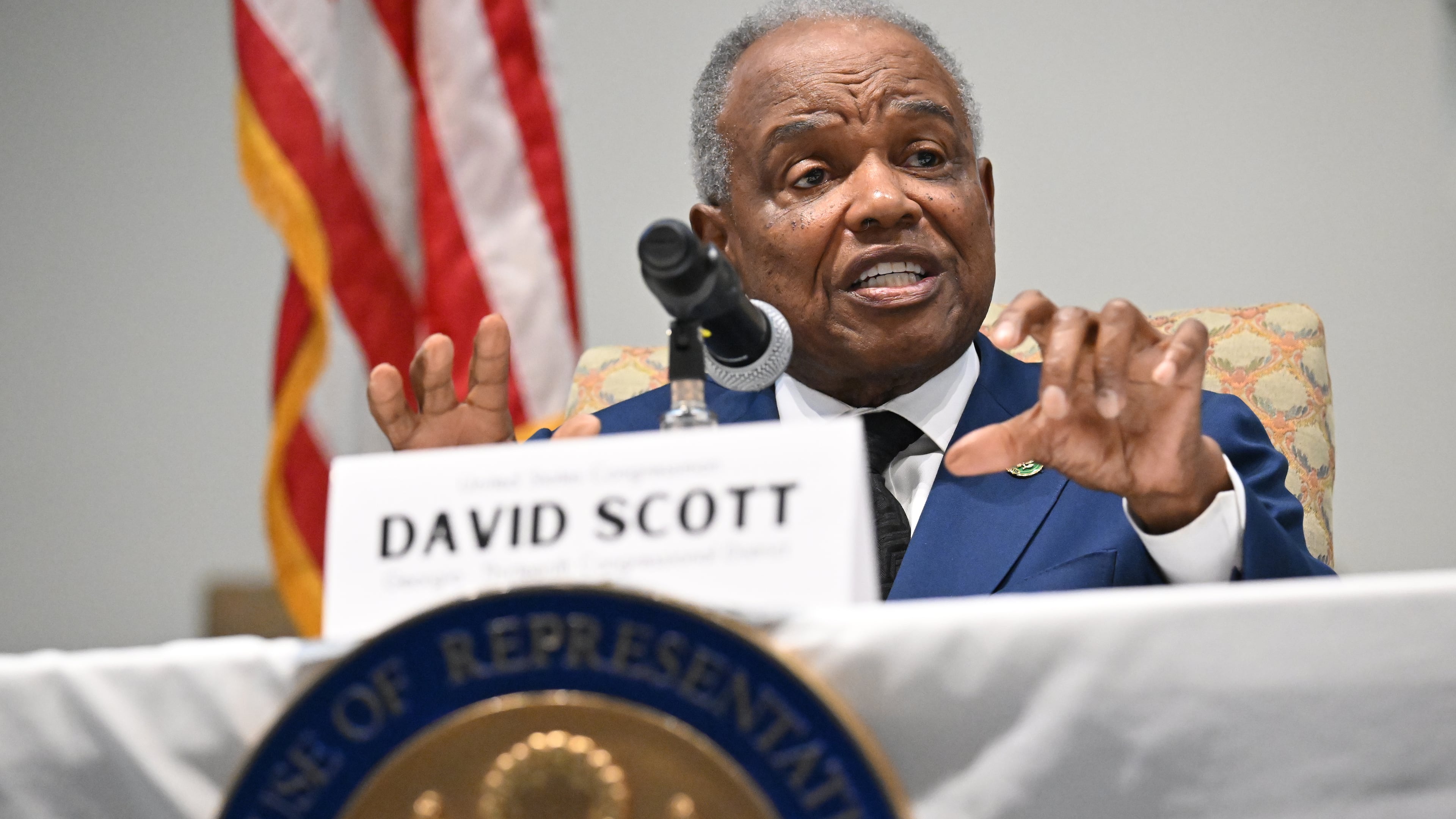
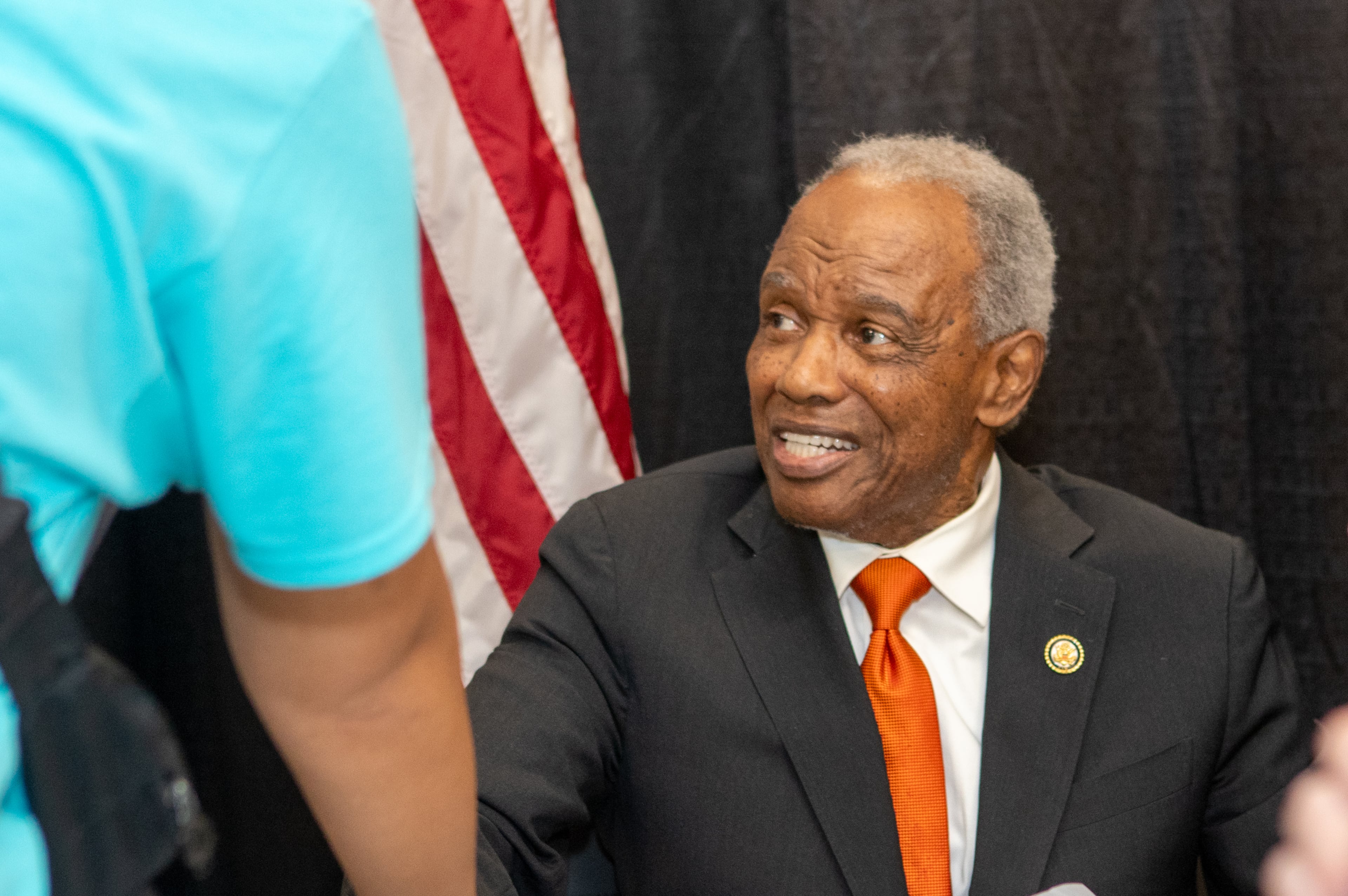
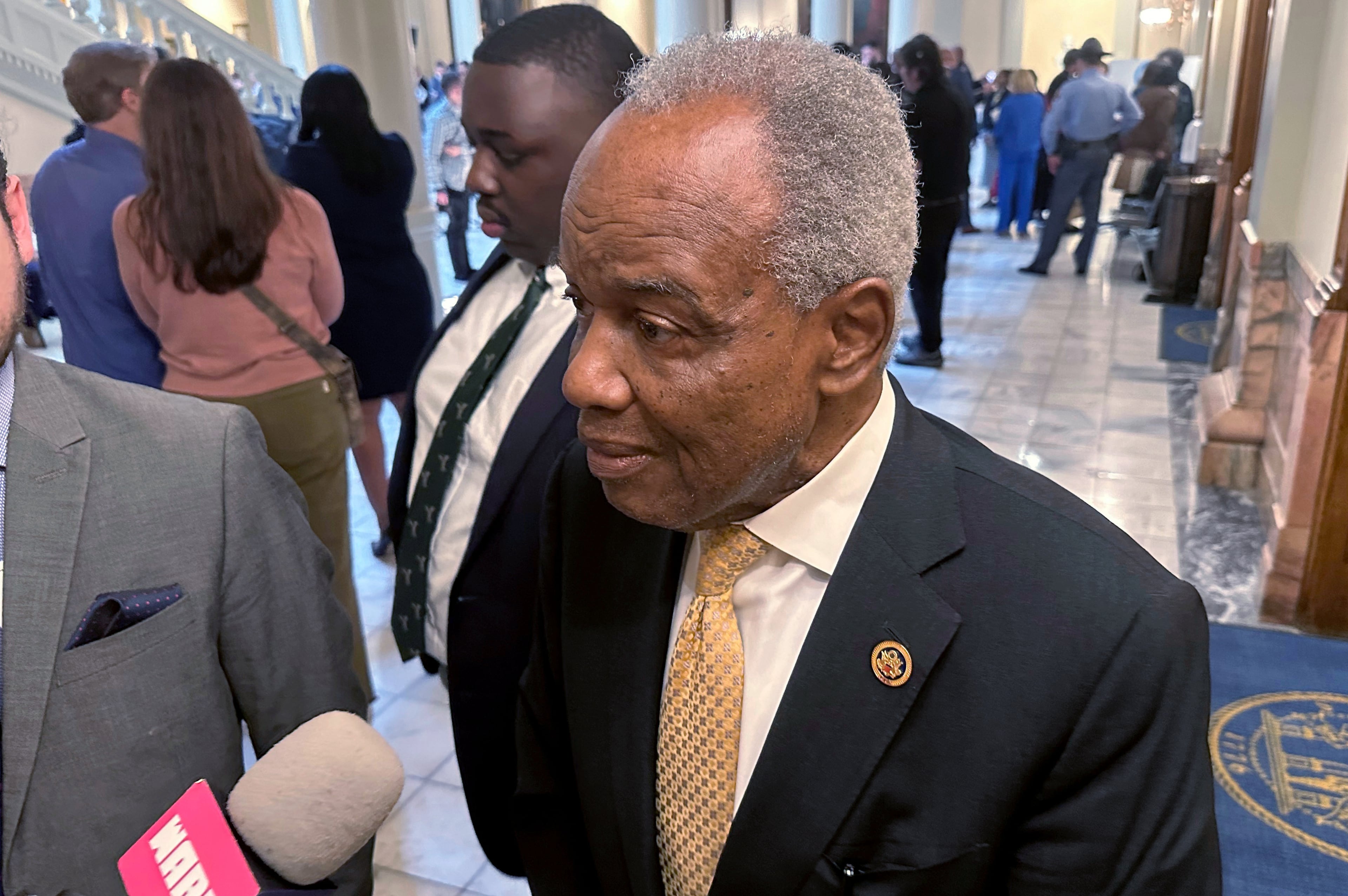
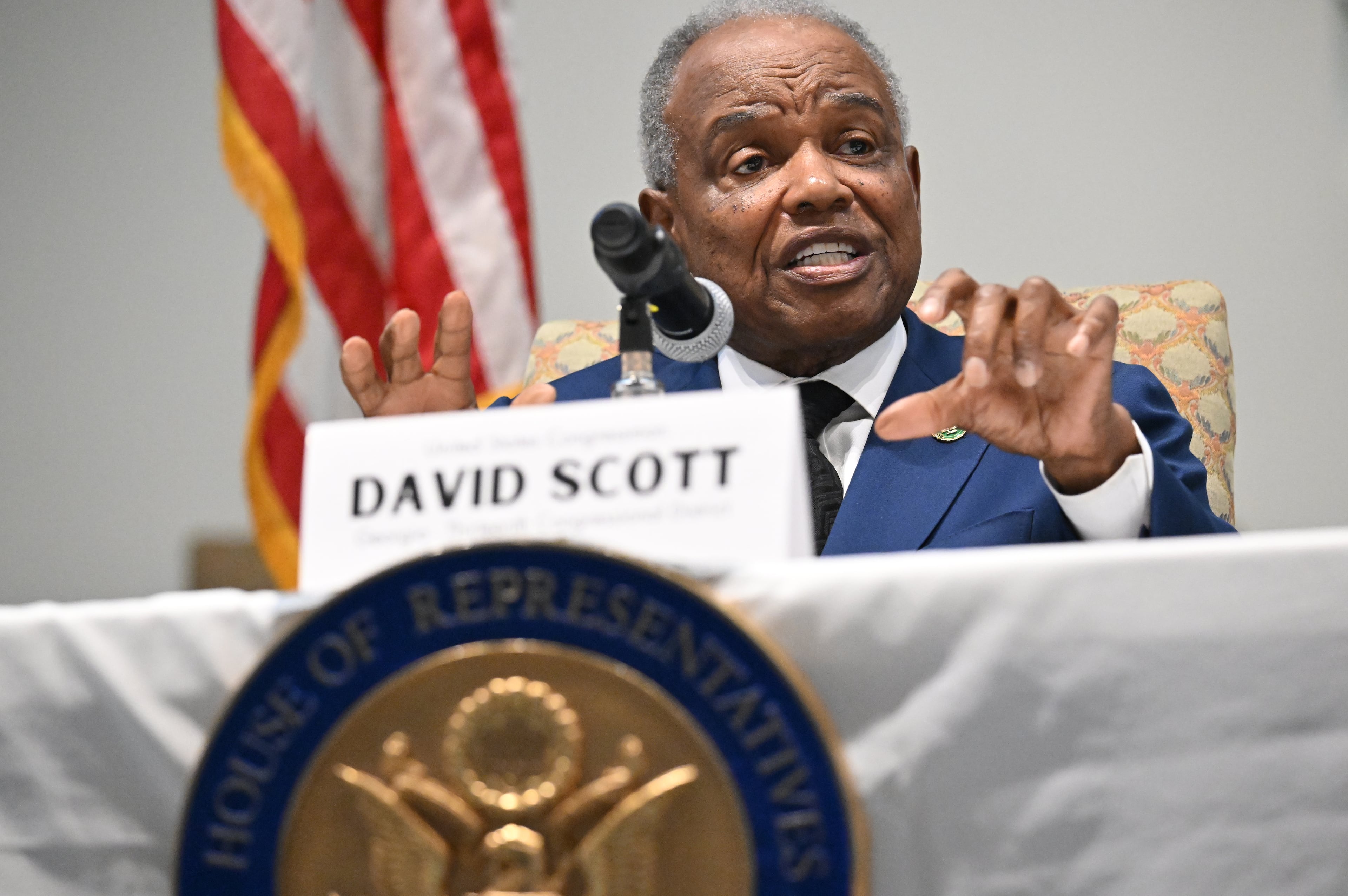
Georgia Democratic U.S. Rep. David Scott, the first Black man to chair the U.S. House Agriculture Committee, has died after nearly 50 years of elected office. He was 80 years old.
His death was confirmed by his office. Scott had filed to run for a 13th term in office this year but was facing strong challenges from well-funded Democrats in the primary.
“He has a really powerful legacy here in Georgia from the time he served in the state Senate. And he chaired one of the most powerful committees in DC,” said state Sen. Emmanuel Jones, a Democrat who had filed to run against Scott in the primary next month. “He had such deep roots in the community. That’s why he was so fierce and no one could beat him. He was a dear friend.”
Scott was born in South Carolina and attended schools in Florida, but he spent his adult life in Georgia where he and his wife owned a billboard advertising company. In the 1970s, he began a career in politics that spanned five decades. The Democrat served in the Georgia House and Senate for a combined 28 years before being elected to Congress in 2002, where he eventually became one of the last remaining centrist Democrats known as “Blue Dogs.”
David Scott: 1945 - 2026
Georgia Democratic U.S. Rep. David Scott has died after nearly 50 years of elected office. He was the first Black chairman of the House Agriculture Committee, a powerful post shaping national farm and food policy.
Reactions: Current and former politicians remember David Scott
Already facing challengers: A new wave of candidates had entered the race for Georgia’s 13th Congressional District
His health and final years: ‘Age happens,’ Scott says but vows to keep doing job
Historic first: Scott lands key chairmanship of Agriculture Committee
Across party lines: Scott donates $1,000 to Republican colleague’s campaign
Policy fight: Inside Scott’s blistering condemnation of a ‘racist’ farm bill
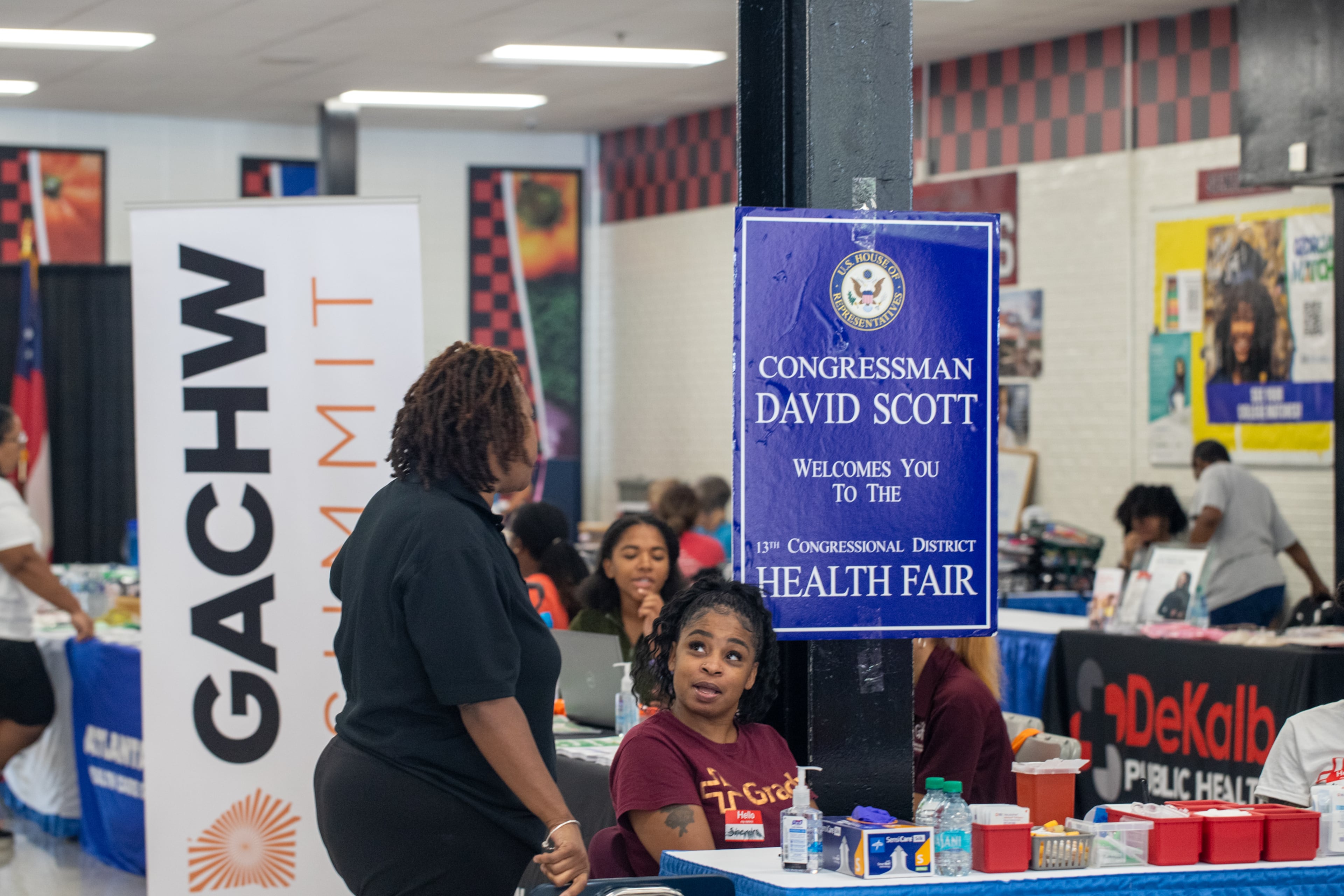
Scott was known as a champion of Georgia’s farmers, a fierce advocate for historically Black colleges and universities and the sponsor of annual job and health fairs so popular they almost guaranteed his reelection every two years even after age and physical ailments limited his public appearances.
He was a devout man who was prone to quoting Scripture even as he intoned on federal policies. In 2023, he spoke against Republican efforts to add new work requirements to the Supplemental Nutrition Assistance Program, formerly known as food stamps.
“Blessed is that person who helps the poor, for the Lord will help him in his time of trouble,” Scott said during a March 2023 interview, referencing Psalm 41.
David Albert Scott was born on June 27, 1945, on a farm in Aynor, South Carolina, to Mamie Polite Scott and Albert James Scott. He lived at times with both sets of grandparents while his mother and father searched for work up north.
Eventually, he and his parents settled in Daytona Beach, Florida, where he graduated high school with honors and earned an academic scholarship to Florida A&M University.
Scott was 19 when met his wife, then 18-year-old Alfredia Aaron, on the steps of a dormitory on FAMU’s campus. She was the younger sister of baseball home run king Hank Aaron, and the two married in 1969. Alfredia would become a constant presence both on the campaign trail and nearly every time Scott appeared in public.
“We’ve been together ever since and she’s been my partner,” Scott told a FAMU publication years later. “I wouldn’t be where I am today if it weren’t for Alfredia Aaron Scott. Together we’ve achieved wonderful things.”
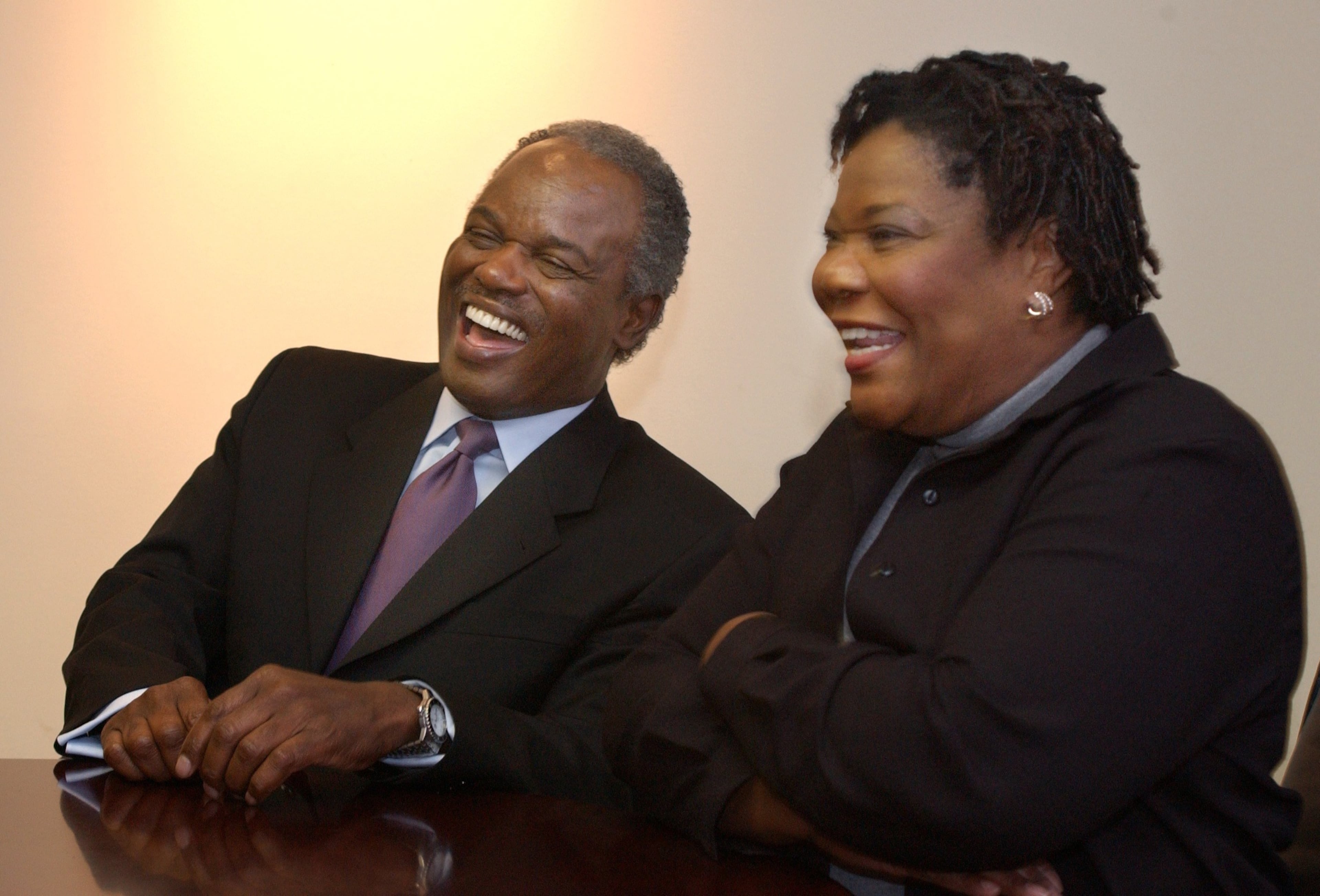
Scott earned a master’s in business administration from the prestigious Wharton School of Finance at the University of Pennsylvania. The couple moved to Atlanta in 1973, launching Dayn-Mark Advertising, a billboard and marketing company named after their daughters, Dayna and Marcye.
Scott began his political career working on Andrew Young’s successful congressional campaign in 1972. He was elected to the Georgia House two years later.
It was the murder of Martin Luther King Jr.’s mother, Alberta Williams King, on June 30, 1974, that motivated Scott to seek office.
That day in 1974, Marcus Wayne Chenault walked into historic Ebenezer Baptist Church Sunday service intent on killing her husband, Martin Luther “Daddy” King Sr. But when he didn’t get close enough, the man shot and killed Williams King and a deacon.
Scott later told The Atlanta Journal-Constitution that he had grown tired of violence in the city.
“We were called a murder capital,” he said in a 2015 interview. “The No. 1 issue was what we called Saturday night specials. Kids were using them. [Adults] could ride up to the high school, and sell them right there. If the police came and saw them, it was just a misdemeanor.”
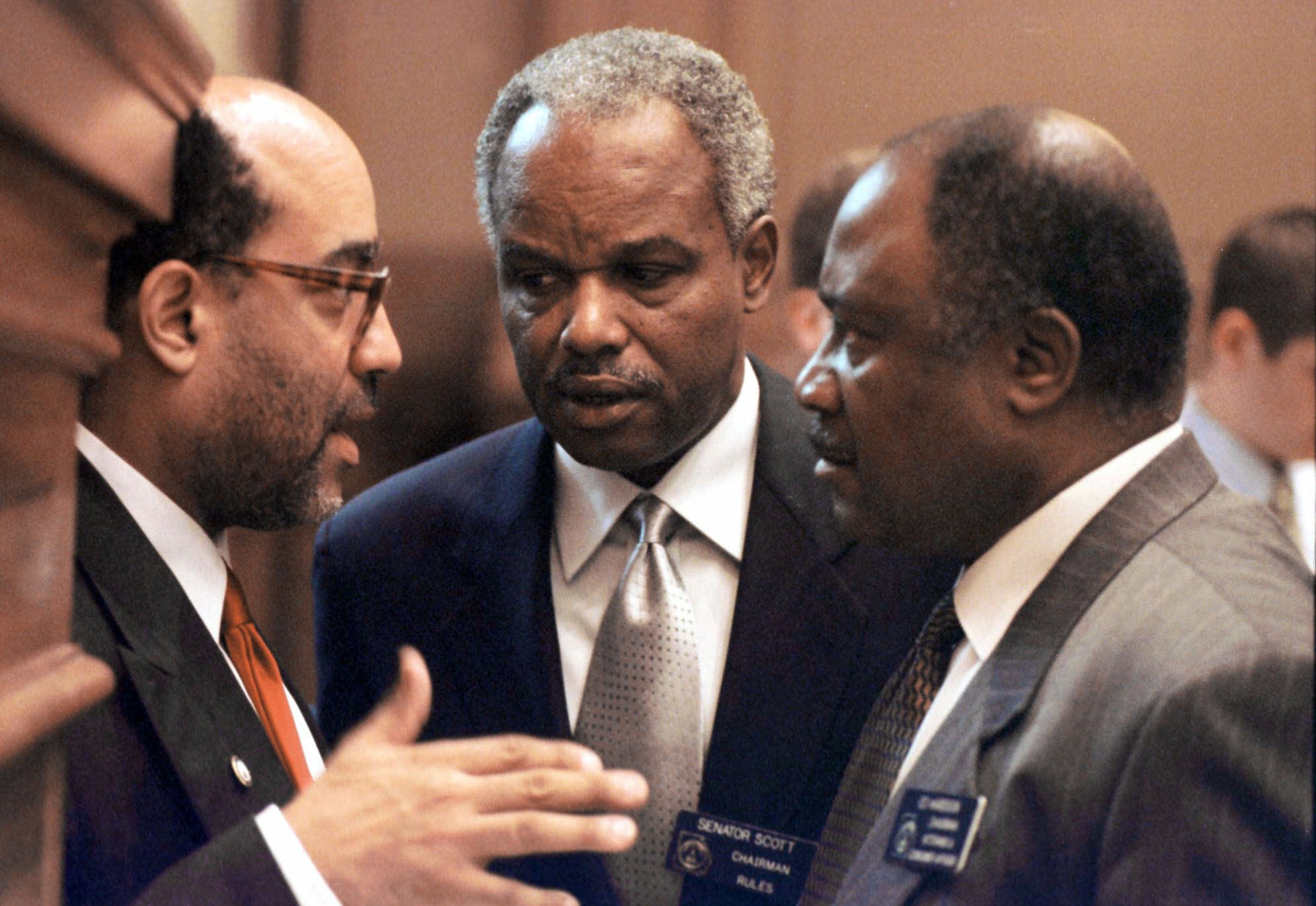
Scott would go on to spend eight years in the Georgia House followed by 19 years in the Senate, where he chaired the powerful Rules Committee. One well-known piece of legislation he authored led to a law requiring a moment of silence at the start of every day at Georgia public schools. Opponents insisted that it came too close to state-directed prayer and resisted its implementation, but the law remains on the books to this day although loosely enforced.
After the 2000 census, Georgia was assigned two new congressional seats because of a boom in population. Scott decided to run for a new seat that had been drawn across 11 counties stretching from Gwinnett County through parts of south Fulton and Clayton counties and further south to Spalding and Butts counties.
He easily won a five-way primary in August 2002 then bested a Republican opponent in the general election with 60% of the vote.
Although he was initially considered a centrist “Blue Dog” Democrat from the South, Scott’s politics evolved over the years to embrace progressive stances like same-sex marriage. During his latter years in office, he rarely broke with the party as he had earlier in his career to side with Republicans.
In Congress, he prided himself on boosting funding for historically Black colleges and universities, including his alma mater FAMU. One particular funding program for HBCUs that he championed, the 1890 National Scholars Program, was renamed this year to the David A. Scott Scholarship Program for Students at 1890 Institutions.
Through the farm bill, a massive package that authorized funding for the agriculture industry and food programs for several years at a time, he pushed for resources for Georgia businesses and to protect social safety net programs for the poor.

Scott served as chair of the House Agriculture Committee during the two-year congressional term that began in January 2021 despite concerns from some members of the party that age and health challenges affected his ability to juggle the heavy workload. When Republicans took control of the House after the 2022 election, Scott remained the top-ranking Democrat on the committee until he was ousted in December 2024.
“Age happens,” he told the AJC in 2023. “As long as I’m doing the job, I’m going to do it. As long as the people want me to, I will do it.”
Over the years and as the congressional maps were redrawn, Scott eventually lived in a part of Atlanta that fell outside of the boundaries of his 13th Congressional District representing suburbs south of the city. As he grew older, he also resisted traditional campaigning and refused to debate Democrats who lined up to challenge him in primaries.
Support among voters remained strong with Scott’s high name recognition, popular health and job fairs and familiar billboards plugging his campaign.
Over the years, Scott faced criticism after his campaign hired and paid his company and family members. He was never found guilty of any wrongdoing.
Throughout his career, he was never far from his memories of his youth, where he picked cotton on his grandparents’ farm while his parents worked as live-in domestic help in New York.
“I picked the cotton, I suckered tobacco, I fed the hogs, I milked the cows,” Scott told AJC politics columnist Patricia Murphy in 2021. “God was preparing me way back for this significant time.”
Correction
This story has been updated to correct Scott's position with the House Agriculture Committee.
About the Author

Tia Mitchell is the AJC’s Washington Bureau Chief and a co-host of the "Politically Georgia" podcast. She writes about Georgia’s congressional delegation, campaigns, elections and the impact that decisions made in D.C. have on residents of the Peach State.