David Scott’s death triggers new race for his deep-blue House seat
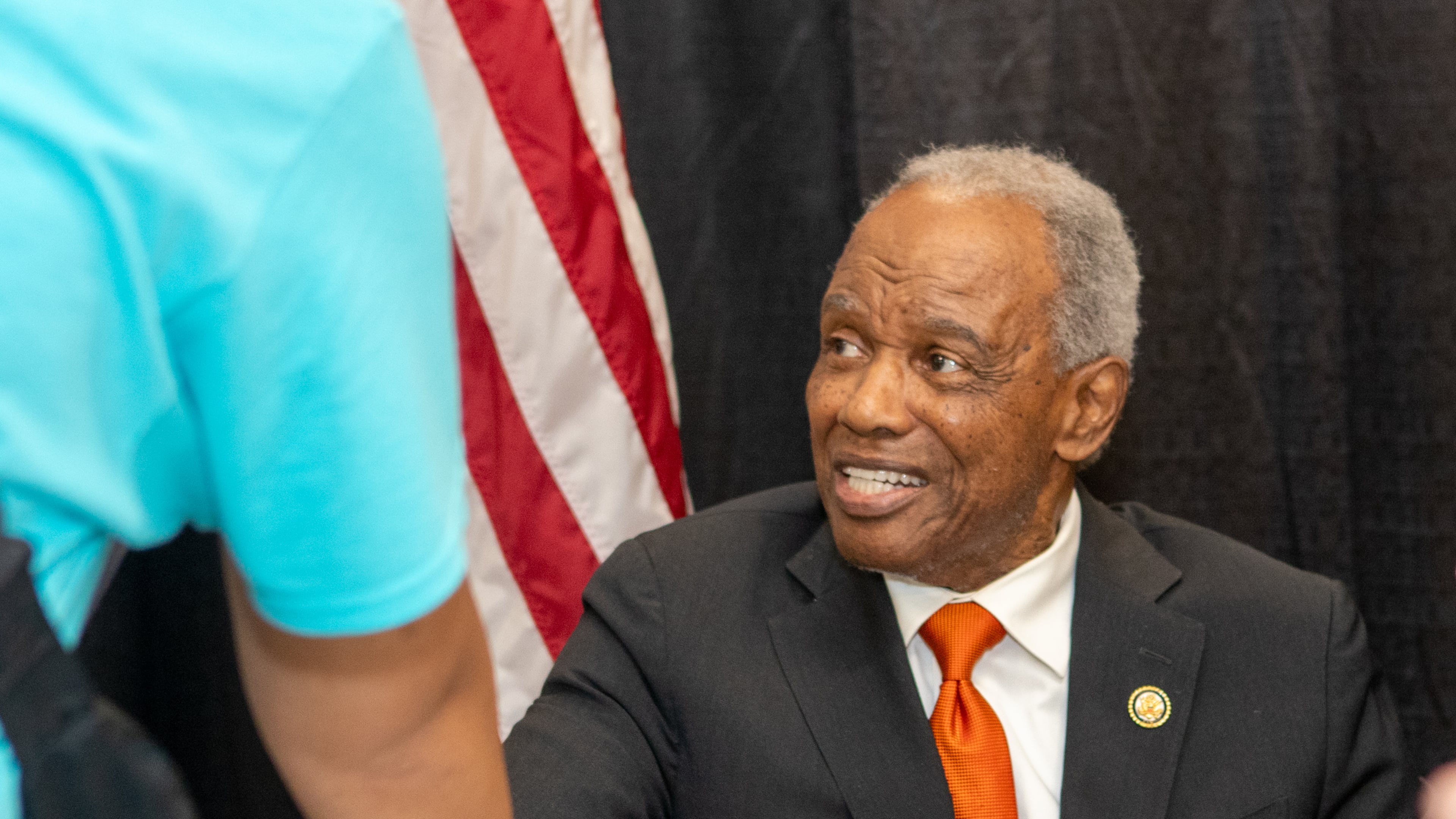
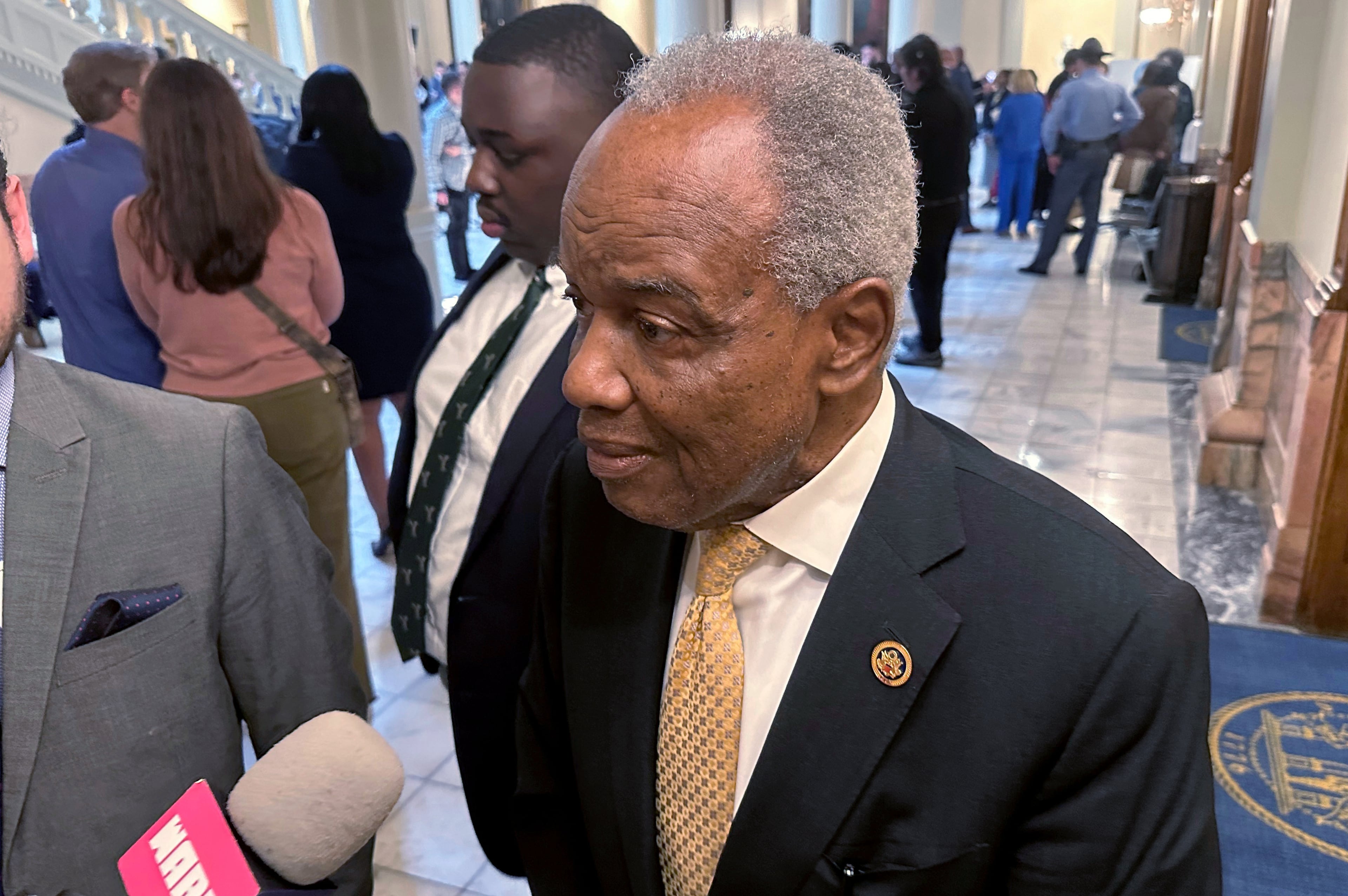
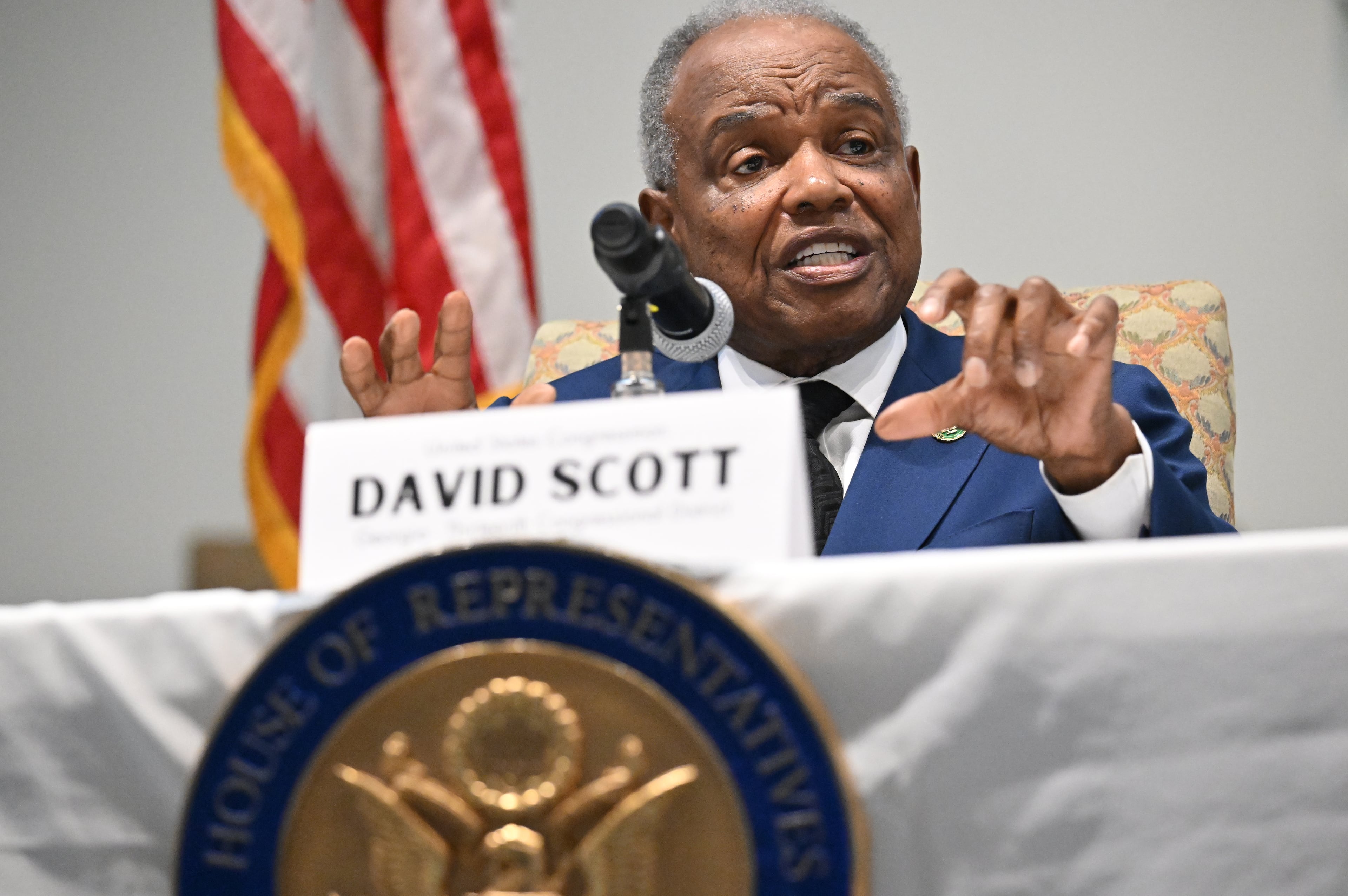
The death of U.S. Rep. David Scott will trigger a special election for the remainder of his term, abruptly transforming what had already been a generational challenge to a longtime incumbent into a wide-open race for one of Georgia’s safest Democratic seats.
Scott, who died Wednesday at age 80, had already filed to seek a 13th term in Congress but was facing one of the toughest political moments of his career. A crowded field of Democratic challengers had raised questions about his age, health and ability to continue serving after more than two decades in Washington.
Now, those same contenders are scrambling in a dramatically reshaped contest for a seat spanning much of Atlanta’s eastern suburbs with no incumbent and no clear front-runner.
Under Georgia law, Gov. Brian Kemp must call a special election to fill the remainder of Scott’s term, though it is not yet clear how quickly he will act. Kemp moved swiftly earlier this year to schedule a replacement election in northwest Georgia after Marjorie Taylor Greene resigned her seat.
A separate May 19 primary and November general election remain scheduled to decide who will be elected to a full two-year term beginning next year.
Scott’s death also slightly widens the GOP’s narrow majority in the U.S. House until the vacancy is filled, adding national significance to a race that will be closely watched in Georgia and Washington.
But the immediate reaction Wednesday centered less on the political fallout than on Scott’s legacy. He was among the last figures of an older Georgia tradition built on personal relationships, a more moderate strain of politics and deep local roots.
Over nearly five decades in elected office, he rose from the Georgia Legislature to Congress, where he became the first Black lawmaker to chair the powerful House Agriculture Committee.
His former rivals, who have spent months slamming his sparse voting record while raising questions about his age, quickly praised Scott’s record.
State Rep. Jasmine Clark said Scott served the district with “unwavering dedication and honor” and that “his legacy is woven into the fabric of Georgia.”
State Sen. Emanuel Jones called him an Atlanta icon.
“He had such deep roots in the community,” Jones said. “That’s why he was so fierce and no one could beat him. He was a dear friend.”
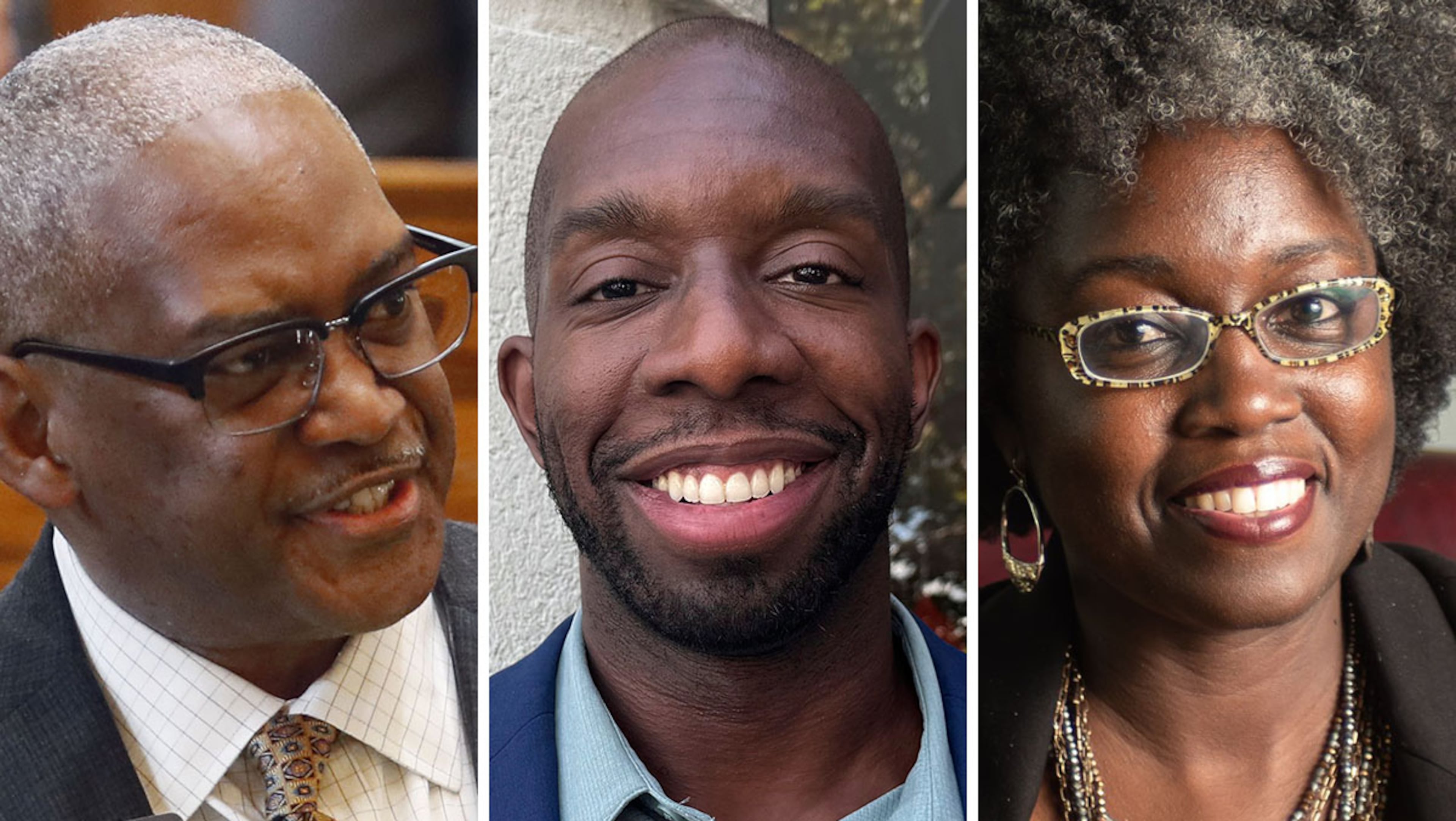
And former Gwinnett school board chair Everton Blair said the community would “find comfort in the knowledge that his service mattered.”
It’s not yet certain how many of Scott’s former challengers plan to run in the special election. Jones said he was prepared to resign his state Senate seat to run, while Blair and reality star Heavenly Kimes said they haven’t made their decision yet.
“I haven’t even thought that part through. We’ll make the assessment when we get the information,” Blair said.
The upcoming races for Scott’s seat will add another open U.S. House battle to Georgia’s rapidly shifting political landscape. But unlike other recent vacancies in Republican-held territory, this contest is in a district drawn for Democrats to keep.
Four other GOP-held seats are already in flux. U.S. Reps. Buddy Carter and Mike Collins are leaving safely Republican districts to run for the U.S. Senate, while U.S. Rep. Barry Loudermilk is not seeking reelection. Former prosecutor Clay Fuller won a special election earlier this month to fill the remainder of Greene’s term.
Each of those races has been shaped by battles over President Donald Trump and the direction of the MAGA movement.
Scott’s death now creates a different kind of contest: a fight over who can best oppose Trump-era politics while carrying forward Scott’s legacy.
Washington bureau chief Tia Mitchell contributed to this article.
About the Author

Greg Bluestein is the Atlanta Journal Constitution's chief political reporter. He is also an author, TV analyst and co-host of the Politically Georgia podcast.