After years of protests and clashes, training center opinions haven’t changed

In the year since its opening, Atlanta’s public safety training center has moved beyond the protest and division that marked its origins to become what police describe as an indispensable tool to rebuild its ranks and better train Atlanta officers, firefighters and 911 operators.
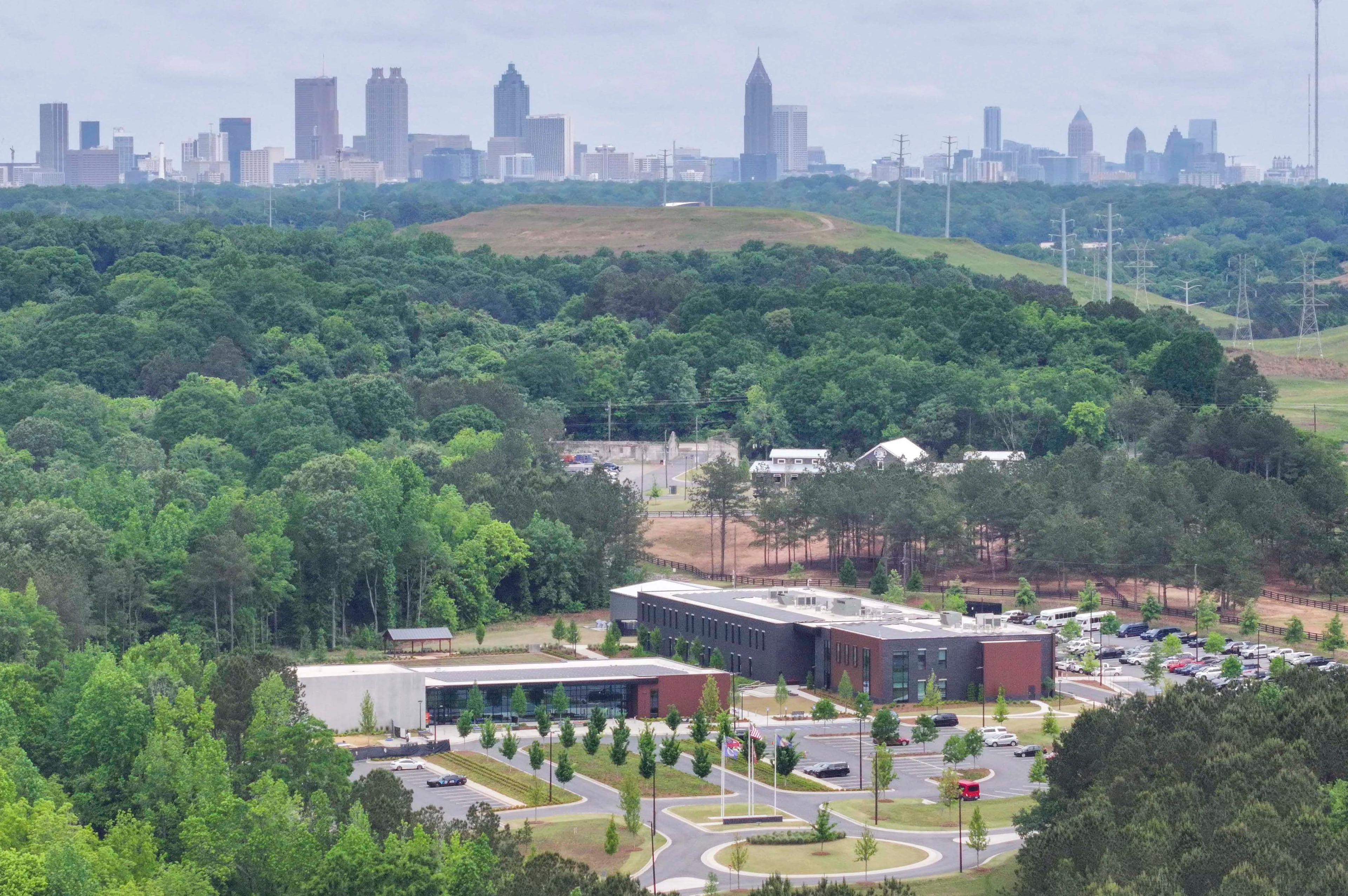
Today, the center is a campus that includes classrooms, horse stables, a burn tower for firefighters, small buildings for police to train in active shooter situations, and a large paved area for practice in maneuvering fire and police vehicles.
Opponents of the facility expressed concerns that it would lead to more militarized policing and worried about the environmental impacts — concerns that persist to this day.
Regardless, the $117 million center is now home to public safety training, the place where some 650 police and fire recruits have learned their trades since last April.
And while city leaders say the center has helped prepare a new generation of first responders for real-life situations across Atlanta, many people opposed to the facility maintain that their views, concerns and voices were steamrolled by the city and police department that refused to listen.
Both sides clashed repeatedly during three years of construction as the training center became a flashpoint in the nationwide movement to reform policing. And it seems very few opinions have changed in the year since the facility’s opening last April.
Activists held mass protests, attended marathon City Council meetings and collected more than 100,000 signatures that were never even counted during a referendum effort.
But city leaders forged ahead with the project, arguing it would transform the way Atlanta’s first responders and emergency personnel are trained.
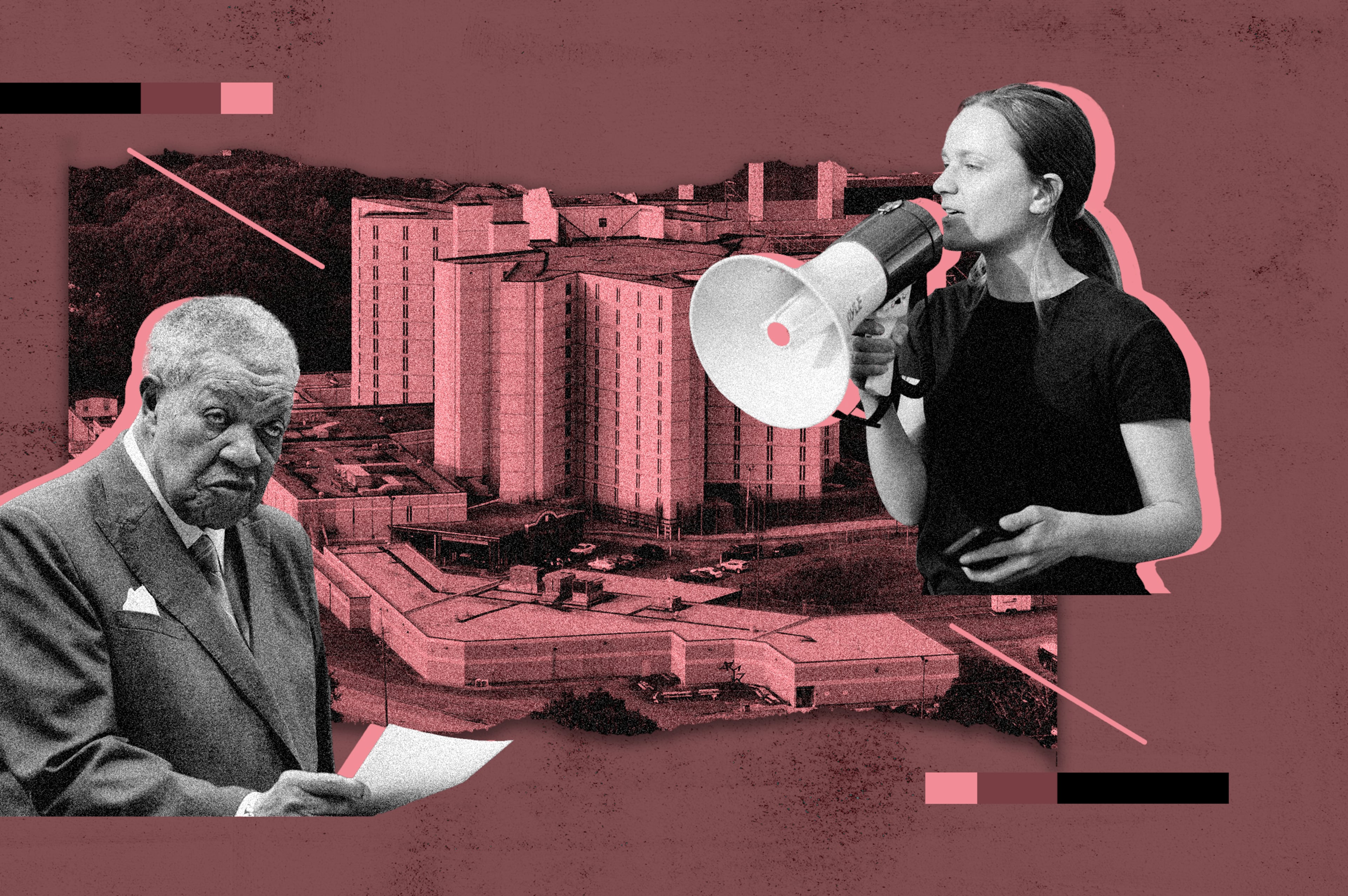
“The city did not feel that it needed to have a conversation,” said community organizer Cat Leatherwood, who was among those opposed to the training center from the beginning.
Since its opening, Atlanta police have held nine graduation ceremonies there, and the fire department has held three. Supporters argue the training center is already boosting recruitment and retention.

It was a long road getting there.
In the lead-up to the facility’s construction, one activist was shot dead and an officer was wounded during an exchange of gunfire with state troopers at an encampment in the woods. Five dozen others were charged in a massive racketeering indictment brought by Georgia’s attorney general, who labeled them “domestic terrorists.”

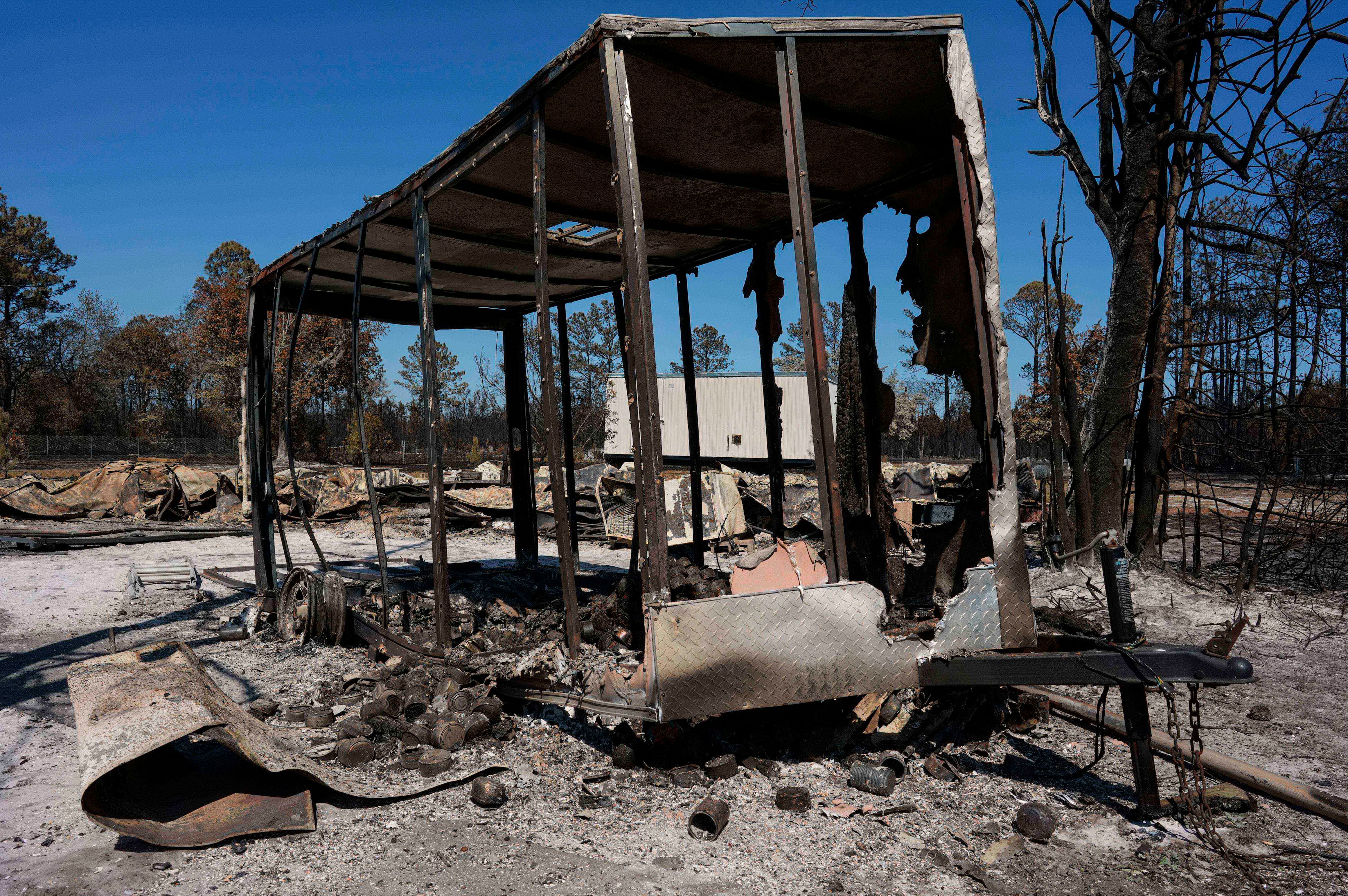
Police motorcycles were torched, construction equipment was destroyed, and some activists even vandalized the homes of executives for construction companies involved in the project. Molotov cocktails were thrown at officers, police in riot gear used tear gas on demonstrators as the two groups clashed in the streets, and protesters chained themselves to equipment in an attempt to slow construction.
At City Hall, a group of opponents chucked hundreds of ping-pong balls at elected officials during one particularly contentious council meeting in 2024.

But 12 months after the center opened on 85 acres in southern DeKalb County, the widespread demonstrations that turned violent at times have largely subsided.
Police leaders, who have struggled for years to recruit and retain more officers, say the state-of-the-art facility has helped increase the size of the force. Even outside law enforcement agencies are sending officers to the center for training.
“We have a world-class city that now has a world-class training facility to meet the needs of our public safety personnel,” an Atlanta Police Department spokesperson said in a statement.
Still, those who argued that money could have been put to better use say they haven’t forgotten how they were treated by city officials.
Leatherwood, who previously lived near the facility in unincorporated DeKalb, said she and her neighbors never had a say in its construction since they resided outside of city limits.
“We couldn’t vote for Andre Dickens. We didn’t have a City Council representative,” she said. “They even fought against the right for us to gather petitions.”
Leatherwood said there was also a concerted effort by law enforcement and supporters of the training center to lump all the protesters together and label them as “violent” or “anti-police.”
“We were the people who didn’t want to burn police officer cars,” she said.
Local crime professors, and even some members of Atlanta’s City Council who support the facility, acknowledge things could have been handled differently.
“It’s the gold standard for public safety training,” said Council President Marci Collier Overstreet, who was a City Council member at the time. “It is unfortunate that it took so many wrong turns for us to get it there, but it is extremely beneficial.”

If she had to do it over, Overstreet said she would have liked to see more discussions within the community about where to put the center and why it was needed.
Thaddeus Johnson, a Georgia State University criminology professor and former Memphis police captain, said public perception of law enforcement shifted significantly after George Floyd’s 2020 murder and the mass protests that followed.
But this was “deeper than policing,” he said. “It was about using these resources when you have homelessness and other issues, people feel like this money could have gone toward.”
Johnson said while training is important, many of Atlanta’s protesters are right to feel their concerns were ignored.
“I don’t think the city provided enough opportunity for people to be heard,” Johnson said, noting it was apparent early on that the facility would be built one way or another.
The activists didn’t do themselves any favors, either, said Johnson, who believes the voices of many locals were drowned out by more aggressive protesters who descended on Atlanta from across the country.

Volkan Topalli, who chairs the department of criminal justice and criminology at GSU, was among a group of local experts asked to join an advisory committee formed during Mayor Keisha Lance Bottoms’ administration, in the planning stage of the facility.
It was a volatile time in Atlanta, he said, and the decision to build the training center came right in the middle of the national police accountability movement.
But he said it became clear to him early on that some committee recommendations weren’t being taken seriously. Their ideas included a push for a “wholesale change” in the way officers are trained, he said, as well as a bigger investment in community-based crime prevention methods.
“They were just paying lip service to the idea of input,” said Topalli, who quickly left the group.
Topalli said the Atlanta Police Foundation, which advocated and fundraised for the training center, “wanted to do things on their own terms.”
The city and the foundation took a “move forward at all costs” approach, Topalli said, “because once it’s built, it’s built, and there’s nothing people are going to be able to do about it.”

Atlanta City Council member Kelsea Bond said the city’s handling of the training center is one of the reasons they felt compelled to run for office in the first place.
“It was very clear from the beginning that there was no opportunity for community input,” said Bond, who was an early opponent of the training center.
Bond supported the push for a referendum that would have allowed residents to vote on the training center, but said that effort was stymied.
“We are told that if we want to get things done, we engage in the democratic process and vote,” Bond said. “To see our own city government shut that effort down was extremely disheartening.”

As for the 61 activists charged by Attorney General Chris Carr in late 2023, a judge dropped each of the RICO charges, ruling the AG needed permission from the governor before bringing the case. Carr’s office is appealing that decision.
Carr’s office recently indicted three of those out-of-state protesters, accusing them of vandalizing the Cobb County office of training center contractor Brasfield and Gorrie. This time, Carr got permission from Gov. Brian Kemp, who wrote a letter supporting the prosecution.
Carr has suggested there could be additional charges for even more protesters.
“For years, we have been vigorously prosecuting Antifa and those who attack police, burn and destroy private property resulting in $50 million in damages,” he said in a statement.
Since its opening last year, Atlanta police said 458 police recruits and nearly 200 fire recruits have trained at the facility.
In a statement, a spokesperson for Mayor Andre Dickens said those numbers speak for themselves.
“A year later, it is doing exactly what it was designed for,” the statement said, noting that recruitment is at an all-time high and attrition is down 16% year-to-date.
About the Author