How do Georgia businesses and consumers get tariff refunds? It’s complicated.
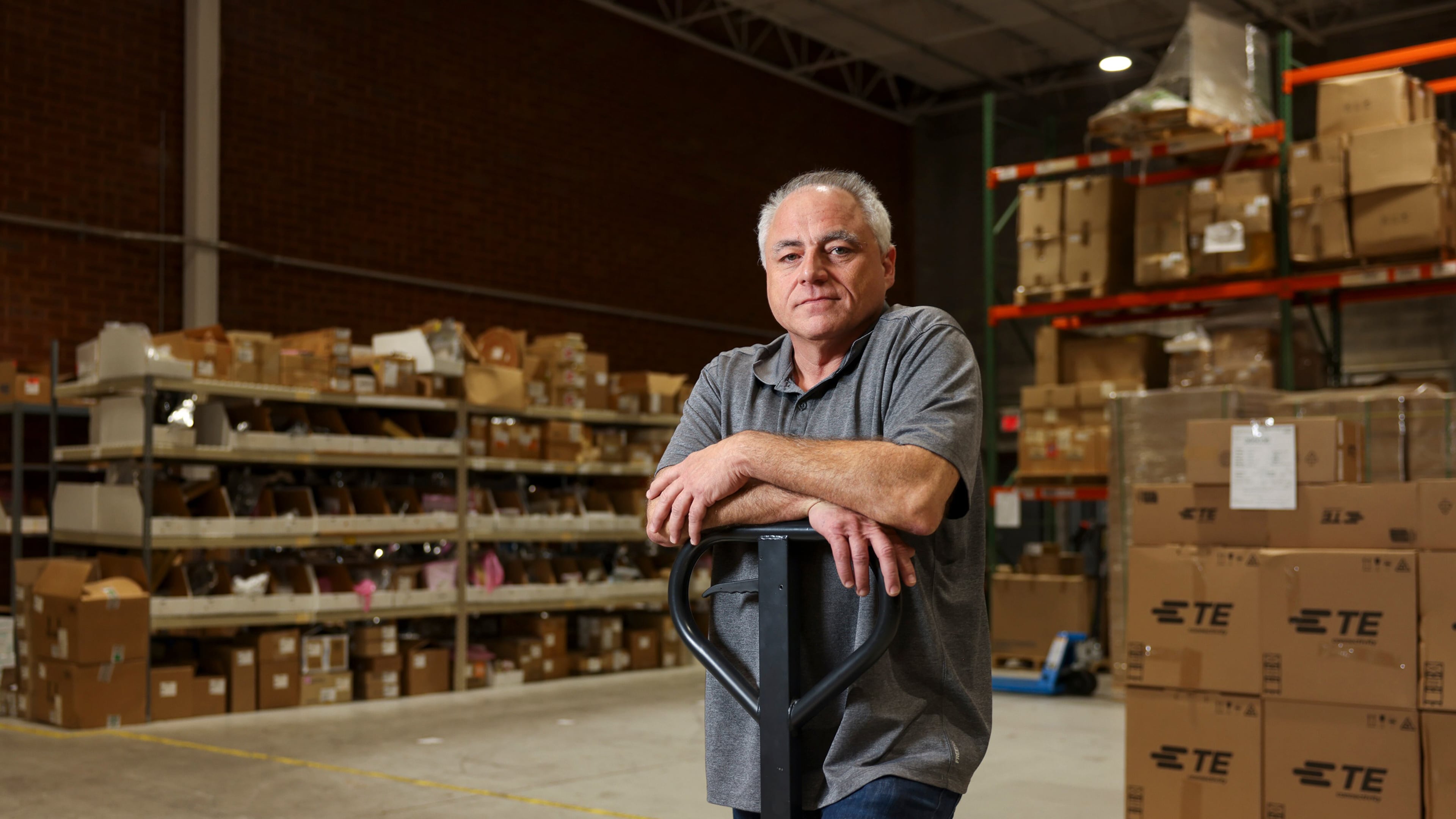
Tariffs have squeezed Dan Ellsworth’s Roswell-based business. Now, he wants money back from the federal government.
Ellsworth, who runs distribution company World Micro, which supplies the aerospace and defense industries, is among the Georgia businesses lining up in hopes of receiving refunds for tariffs they paid that the U.S. Supreme Court struck down.
But for Ellsworth, the refund process the federal government launched Monday is opaque and confusing, he said.
For one, he isn’t sure exactly how much he paid in tariffs under an emergency powers law President Donald Trump wielded to levy what he called “reciprocal” tariffs against dozens of counties.
Ellsworth said he’s submitted three rounds of paperwork so far just to find out.
“I’ve got two guys spending about an hour and a half per day to try to get the right stuff done,” he said. “They said it’s been very bureaucratic.”

Beyond navigating the system, what is also clouding the process is if refunds will ultimately trickle down to everyone affected by tariffs, which are taxes on imported goods.
Businesses importing products might be aware of what they paid, but for consumers, there has seldom been a line-item on a receipt showing the import tax, as the costs are often embedded in sales prices.
Though Trump has said foreign countries pay them, studies have shown consumers and businesses have largely shouldered the weight of the tariffs, which raised prices on a variety of products. The average American family has paid around $1,700 in tariff costs through January, according to a U.S. congressional committee.
“It’s very clear who’s going to get (refunds) back. The big problem is: Who deserves it?” said Sina Golara, assistant professor of supply chain management at Georgia State University.
“This is where the ugly fight begins over this money,” he later added.
‘Getting stuck’
In February, the U.S. Supreme Court ruled it was illegal for Trump to impose tariffs under the International Emergency Economic Powers Act without congressional approval. After that decision, the U.S. Court of International Trade ordered the administration to refund all the IEEPA tariffs, estimated at about $166 billion from more than 330,000 importers, according to a court filing.
Several tariffs, though, remain in place, including a 10% temporary surcharge Trump enacted in the wake of the Supreme Court decision.
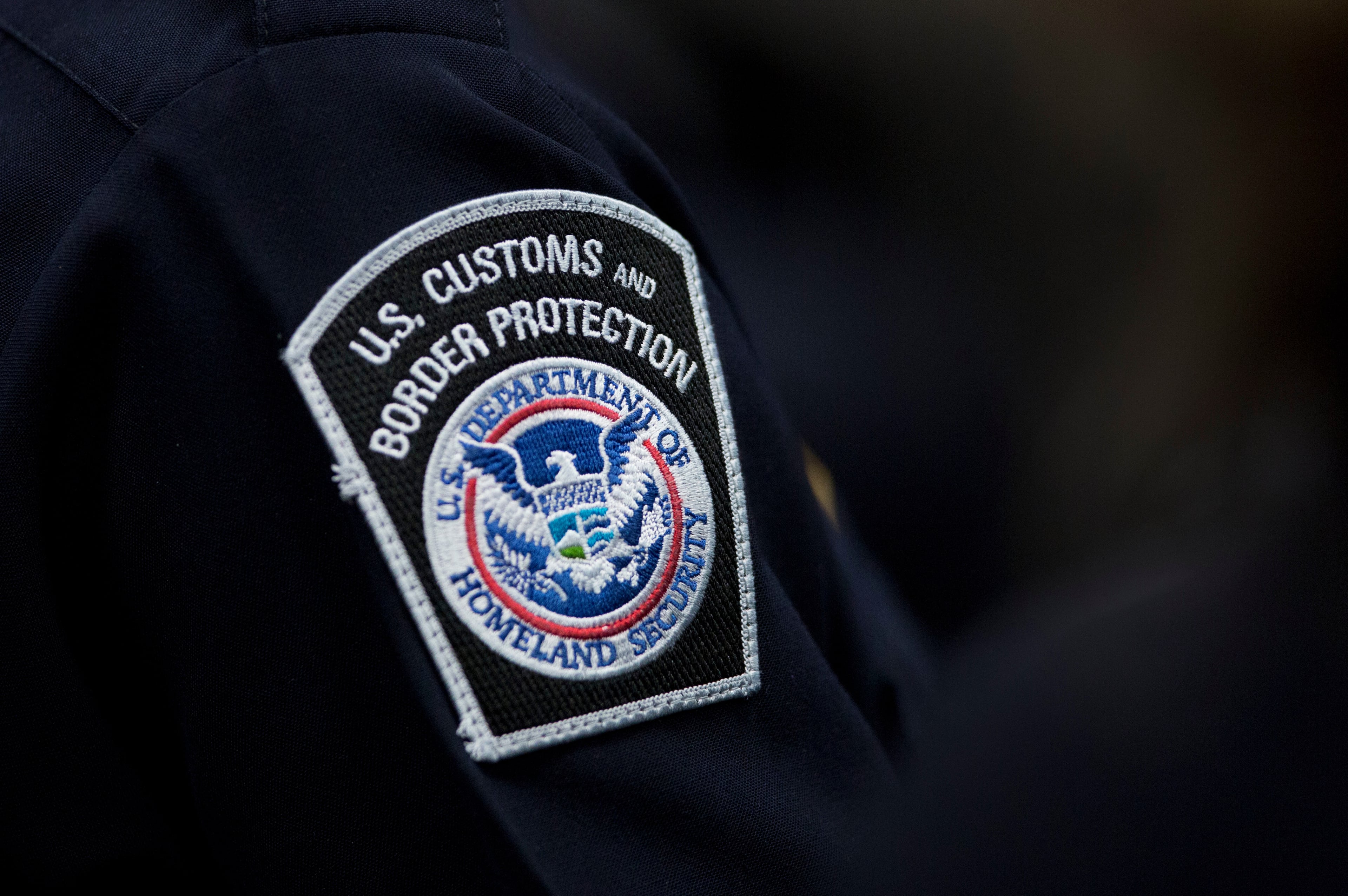
On Monday, the U.S. Customs and Border Protection launched an online tariff refund portal to start taking applications. It’s been a bumpy process so far, according to media reports.
“There is an agency at the federal government that’s good at giving people back their money, and this ain’t it,” said Joseph Knippenberg, a politics professor at Oglethorpe University, comparing the Internal Revenue Service with CPB.
A CBP spokesperson said the federal agency “made system updates to optimize processing, briefly pausing access the morning of April 20, but service was promptly restored with no delays.”
Only importers of record or their brokers are eligible to apply for tariff refunds, according to CPB. The first phase will cover refund requests for IEEPA entries finalized within the past 80 days. Valid refunds “will generally be issued” within 60 to 90 days, CPB said.
One thing is for certain: Consumers have no mechanism to request money back from the federal government. People would have to join class action lawsuits to seek a slice of the refunds from companies, or otherwise hope businesses share proceeds out of goodwill, possibly in the form of lower prices, experts said.
“Right now, this is just set up to get money back in the hands of the people who literally paid the duty at that moment,” said Stephen Craft, dean of Oglethorpe University’s Hammack School of Business. “(There will) have to be other mechanisms in place to figure out how that gets distributed down to the value chain.”
Tom Smith, a finance professor with Emory University’s Goizueta Business School, said he believes “the consumer is going to end up getting stuck on this one.”
Some class action lawsuits have already been filed.
For example, Sandy Springs-based UPS has been sued recently in federal court in Atlanta by residents of South Carolina, North Carolina and New York, who seek to recoup tariffs paid to the company on behalf of customers all over the country. The lawsuits, filed after the Supreme Court’s February ruling, allege UPS must return to customers the tariffs it charged plus any associated refunds it gets from the federal government.
In one of the lawsuits, filed last week, North Carolina resident Aipara Kulzhanova said she ordered $600 worth of motorcycle parts from China in November and was subsequently billed $210 in tariffs by UPS plus a $20 late payment fee.
The cases allege UPS is liable for breach of contract and unjust enrichment. UPS has until May 11 to respond to the earliest of the local cases, filed in late February.
UPS didn’t immediately respond to a request seeking comment on the lawsuits from The Atlanta Journal-Constitution.
But on Monday, UPS said in a statement that for shipments where it served as importer of record, it will “work to request and retrieve IEEPA tariff refunds from CBP on our customers’ behalf. … After we receive the funds from CBP, we have established a process to issue refunds to the payors.”
‘Not sure how it will work’
Small-business owners wonder how they might get their share of refunds.
Joe Novak, who owns Buckhead store Kazoo Toys, didn’t directly pay tariffs, his manufacturing and distributing partners did and then passed the cost on to him through line items and increased prices.
Now, it’s up to them to figure out how to apply for a tariff refund and determine how much the toy store subsidized through pass-through costs, he said.
“Although it sounds nice that we may be getting some tariff money back, I am not sure how it will work, or when,” Novak said in an email.

Mary Moore, founder and CEO of the Cook’s Warehouse, said she also questions if her vendors will apply for a refund and how she ultimately might recoup extra costs she incurred.
“We’ve all taken margin hits as a result of the tariffs,” she said in an email.
Ellsworth of World Micro said he’s not holding his breath.
Trump could try to appeal the Court of International Trade’s ruling to refund tariffs. The president has also threatened to find other mechanisms to impose additional tariffs.
“Since the tariff stuff started, there’s been so many twists and turns,” Ellsworth said. “We’re still going to go through the process, of course, but I would put my hopes of actually getting a refund at maybe around 20%.”
About the Authors


Journalist Rosie Manins is a legal affairs reporter for The Atlanta Journal-Constitution.